
Some links on this site are affiliate links. If you buy through a marked affiliate link, we may earn a commission at no additional cost to you. This guide is researched editorial advice; purchases should be checked against current retailer terms. Read our disclosure.
Choose one thing to look forward to
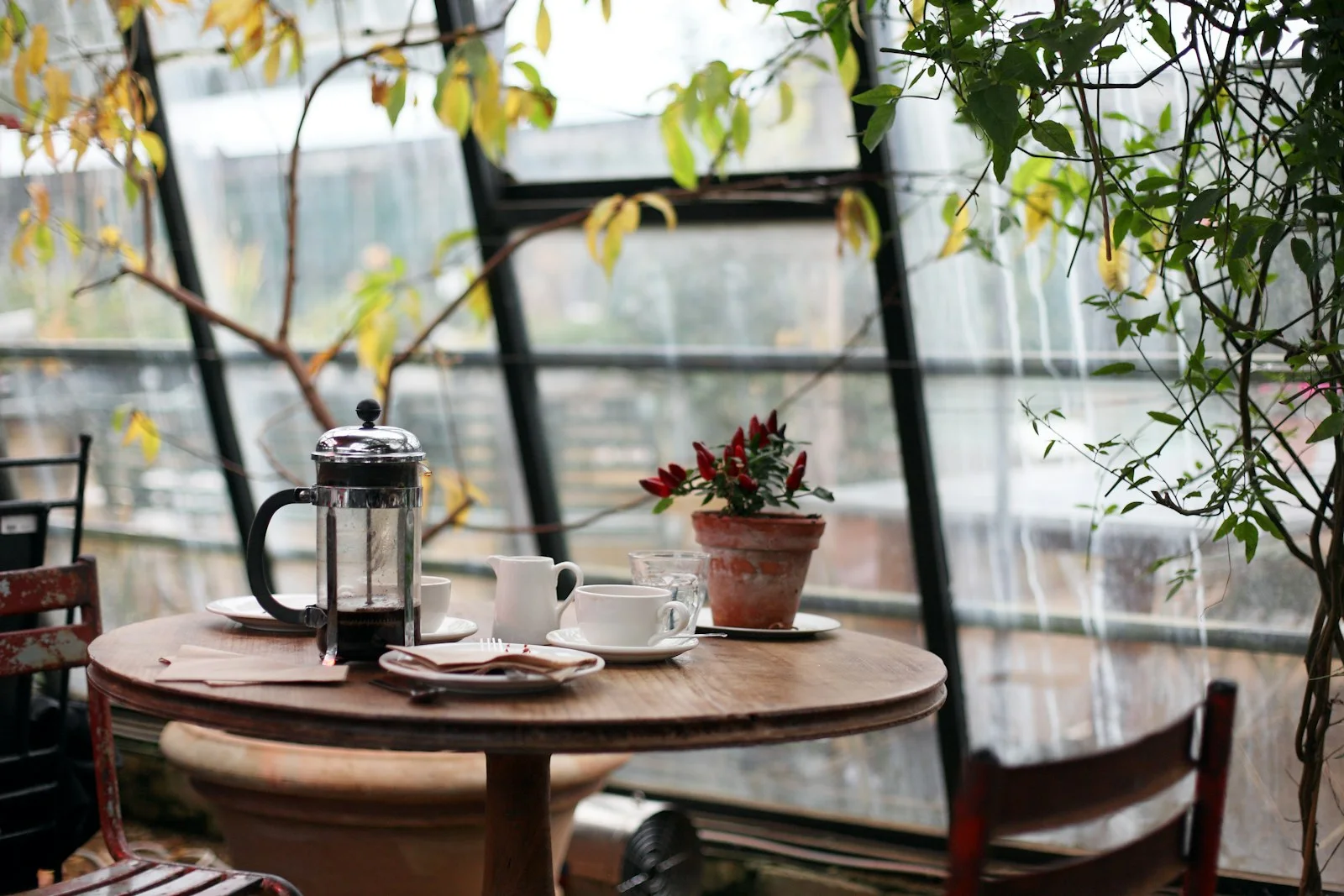
A free Saturday can become crowded before breakfast. There are groceries to collect, washing to finish and people you want to see. Rather than declaring the whole weekend restful, choose one activity worth protecting: a long cafe conversation, a library visit or an afternoon spent cooking something familiar. Give it a realistic place in the day and allow for getting there.
This creates a useful distinction between a plan and a wish. If the cafe is thirty minutes away and closes early, the outing needs a departure time. If you would rather stay at home after a demanding week, that is also a valid plan. Leisure does not become more meaningful because it involves a reservation, a photograph or a purchase.
Group the necessary jobs
Look at errands by location rather than treating each as a separate trip. Returning a parcel on the way to the market can preserve a larger stretch of free time later. Check opening hours before setting out and leave some room for queues. A plan that assumes every task takes the minimum time is likely to create the rush you wanted to avoid.
At home, select a small stopping point for housework. Clearing the kitchen table is more definite than making the house perfect. If several people share the space, agree who is doing what instead of quietly carrying a growing list yourself. Keep the list short enough that finishing it actually changes the feel of the afternoon.
Dress for the whole outing
A relaxed outfit should suit the weather, the route and the places you will enter. Straight jeans, a comfortable knit and a light jacket can cover a market morning and a casual lunch; a washable dress with suitable shoes might be easier in warm weather. Use a combination you already know feels comfortable when seated and walking.
The useful extra is often a practical layer rather than a completely new outfit. Consider whether you can carry it when the day warms up and whether your bag closes securely on public transport. Avoid making a new shoe's first outing a long walk. Clothes should support your plans without turning the morning into an extended fitting session.
Give the cafe visit a sensible budget
Decide whether your outing is a drink, breakfast or lunch. Small add-ons can turn a modest treat into an unexpectedly expensive stop, particularly when several people are ordering. You do not need to account for every sip, but knowing the rough total makes the choice deliberate. A walk with a drink prepared at home can be just as enjoyable when the week's spending is already stretched.
If you enjoy cafe-style coffee at home, first refine how you use the equipment you have. Buying a new grinder, cups and a trolley at once makes it difficult to know what improved the experience. Check cleaning effort and storage before upgrading. The object should serve an existing pleasure rather than requiring a new habit to justify its price.
Leave an unassigned stretch
Keep some time without a named activity. You may want to browse a bookshop, finish a chapter or return home early. Leaving that choice open helps a weekend accommodate different energy levels. If you are meeting someone, agree a starting plan and make additional stops optional so that neither person has to invent an excuse to leave.
For a home afternoon, gather a few things you enjoy before you sit down: a book, a drink, a blanket if the room is cool. You do not need a themed basket of new products. Put your phone wherever makes sense for your responsibilities; the aim is to choose your attention, not impose a rule that causes more worry.
Close the day gently
Spend a few minutes preparing for the next morning while there is still some evening left. Put away the bag, check the weather and decide whether the washing needs attention. A brief reset can prevent Sunday from becoming a catch-up marathon. Keep it proportionate: preparing one useful thing is better than starting an ambitious cupboard overhaul before bed.
At the end of the weekend, notice which part you would repeat. Perhaps the simple local walk was more enjoyable than a costly destination, or the advance booking made a busy place easier. Use that information next time. A slower weekend develops through choices that fit your life, including occasions when the best choice is to do less.
Make a considered choice
| Weekend pressure | Practical adjustment | Spend only if useful |
|---|---|---|
| Many errands | Group by location | Suitable reusable shopping bag |
| Changeable weather | Use a familiar extra layer | Replace a missing practical layer |
| Expensive outings | Choose one paid treat | Book only within your budget |
A question or correction? Contact the editorial desk.