Some links on this site are affiliate links. If you buy through a marked affiliate link, we may earn a commission at no additional cost to you. This guide is researched editorial advice; purchases should be checked against current retailer terms. Read our disclosure.
Choose the service before the pattern
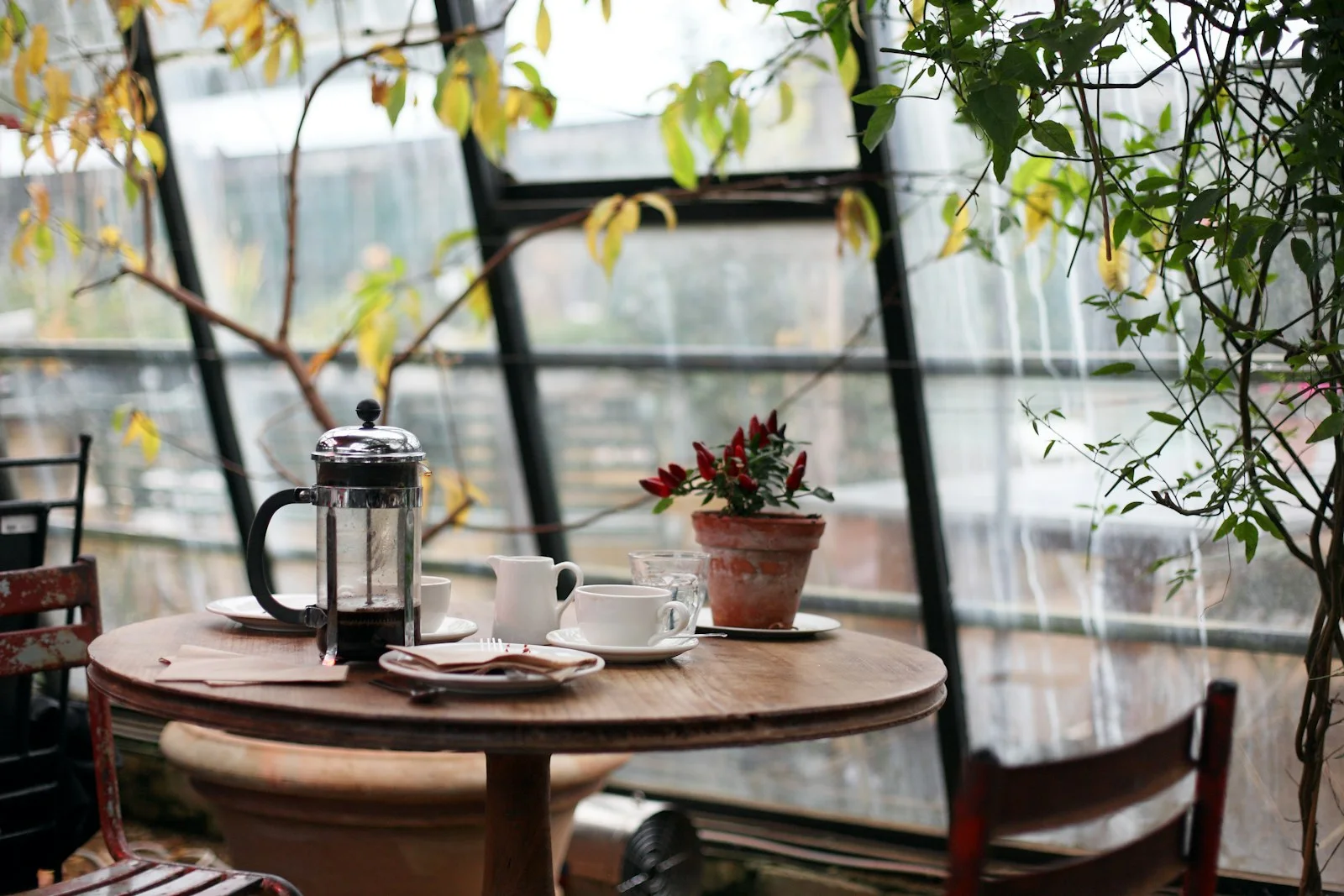
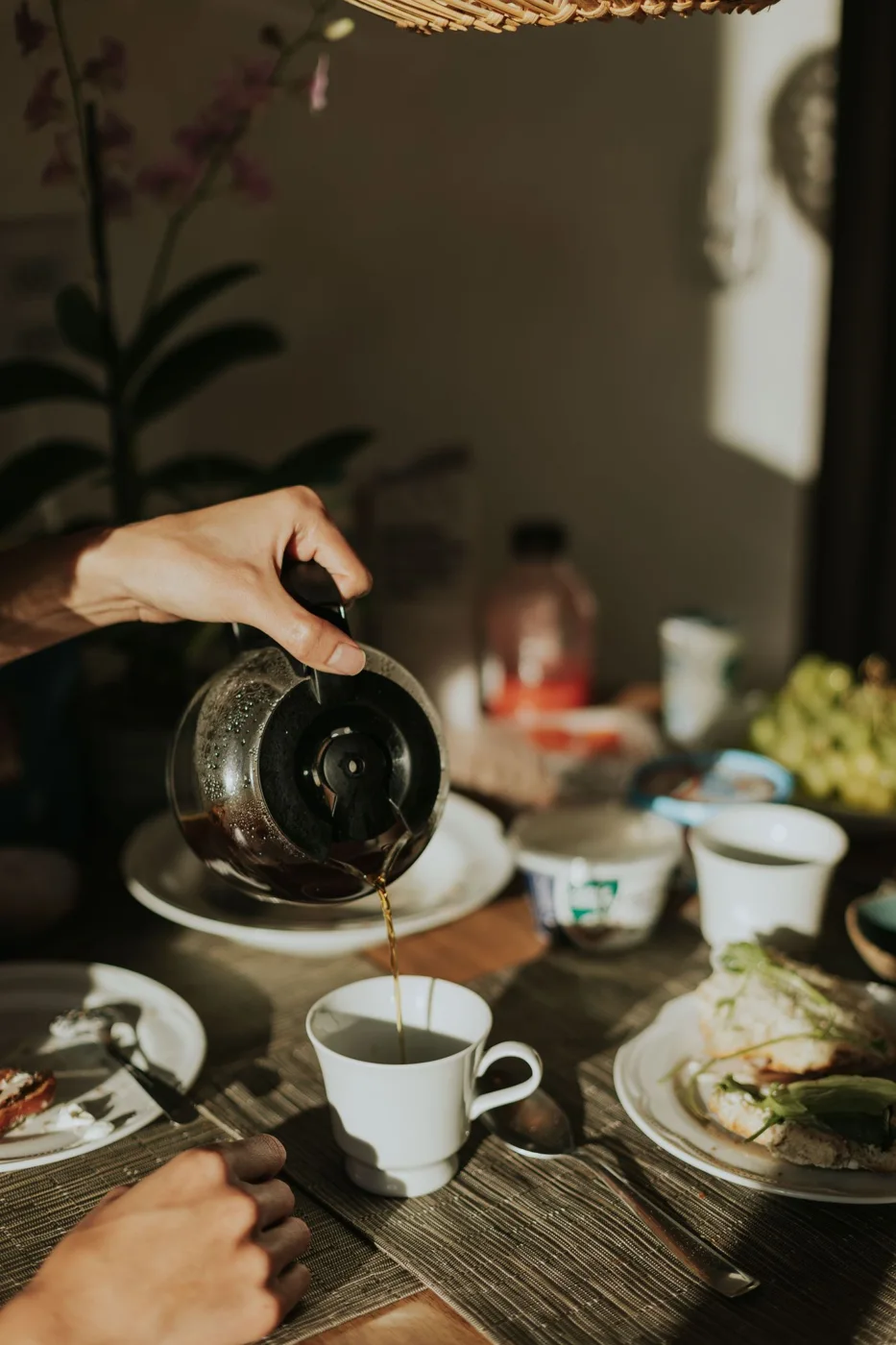
A small coffee gathering begins with the actual drink and food plan, not a requirement for identical tableware. Choose suitable retained cups, plates and serving pieces for those real roles. Use product information where intended use or care is unclear.
Keep guest preferences and relevant ingredient questions explicit. A welcoming arrangement is not proof that every drink or accompaniment suits every person. Settle those food questions through reliable information rather than the appearance of a coordinated service.
Find one visible connection
Mixed pieces can relate through a pale background, a similar outline or one repeated color. Put the actual cup and plate together and look from the chair. The relationship may be quiet enough that no additional matching object is needed.
If the patterns are both strong, compare a plain retained piece as the partner. This gives you a clear alternative before shopping. Exact matching is optional when the group already has an understandable balance.
Compare the size of the group
A cup, suitable saucer and food plate can occupy more room together than their individual photographs suggest. Set out the dry equipment for the actual number of people and include any shared pieces needed. Keep the table's real use in view.
A large serving stand may be unnecessary for a modest accompaniment. Remove it as a comparison rather than filling its empty space with more food. The small gathering does not need to imitate a cafe display to feel considered.
Keep preparation and handover clear
Use the actual drink method and equipment requirements to plan service. Do not choose a decorative tray arrangement that conflicts with suitable hot-drink handling or the products' intended use. The visual group should support the real task.
If several people help, name who prepares the drinks and where the suitable equipment is ready. Keep used pieces distinct from clean equipment after the gathering. A matching appearance should not make different product requirements disappear during care.
Save the retained combination you liked and note the actual pieces rather than a vague instruction to buy more white cups. You can use a different group next time if the meal or guest plan changes. Mixed tableware can remain personal and practical when each object has a clear role and the visible relationships are simple. The useful outcome is a small service you can understand and repeat, with no new collection required merely to make an ordinary conversation over coffee feel complete. Let the people and the actual drink plan lead, and let the patterns stay a modest supporting detail.
Compare the cup and food plate together before adding a shared serving piece. If their quiet background already connects them, a new matching saucer set may be unnecessary. The actual drink and food roles should determine what equipment joins the table.
Related reading
A Morning Routine With Room to Breathe, A Slow Weekend That Fits Real Life.
A question or correction? Contact the editorial desk.