Some links on this site are affiliate links. If you buy through a marked affiliate link, we may earn a commission at no additional cost to you. This guide is researched editorial advice; purchases should be checked against current retailer terms. Read our disclosure.
Keep the wall in the first comparison
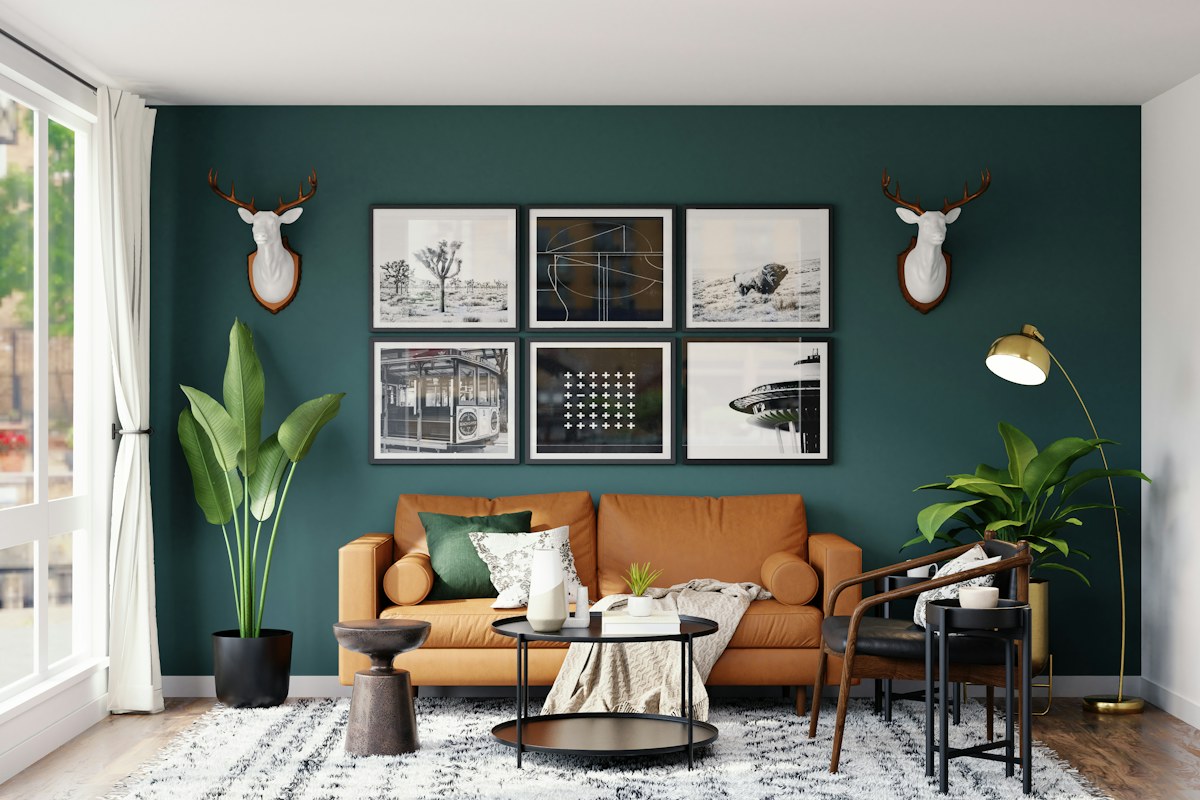
A frame can look appealing in isolation and create a different effect against the actual wall. Begin with the retained wall color and the artwork you intend to display. Include enough of the room to see how the picture relates to nearby furniture.
Do not choose the border solely from a tiny color inside the image. A dark frame can create a clear boundary, while a lighter one may let the artwork blend more softly with its background. The useful choice depends on the complete relationship you enjoy.
Compare the artwork's own contrast
Look at the image before adding another strong outline. A high-contrast print may already be visually active; a quiet image may benefit from a clearer border. Neither requires an exact match to the sofa or table.
Use actual samples where practical and identify each candidate clearly. A screen image can change both the frame tone and the wall color. Keep the physical references for a subtle comparison rather than ordering several apparently matching accessories from separate photographs.
Read the visible width
A broad border becomes part of the picture's overall shape, while a narrow one leaves more attention on the image. View the candidate from the ordinary room approach, not only close to the glass. Fine decorative details may disappear at that distance.
Keep the artwork's actual size and display requirements involved. A visually pleasing frame still needs to suit the item and its appropriate mounting, glazing and care. Seek suitable specialist information where the work or materials require it rather than treating a decorative comparison as technical advice.
Include the neighboring group
Look at the nearest lamp, furniture edge or existing picture. Their outlines may already connect with one frame candidate. If the area feels crowded, remove an optional nearby object before deciding that the artwork needs a more elaborate border.
Do not alter a wall installation or improvise hardware for a visual trial. Use appropriate methods and guidance for the actual frame, weight and surface. A sample held or viewed safely can answer a color question without assuming a finished installation.
Record the chosen relationship in plain language: a dark boundary against a quiet wall, or a lighter edge beside warm retained furniture. Keep the actual frame identity with the reference. The aim is a picture that belongs to the room and lets the artwork remain readable, not a border that requires several matching objects to explain it. Starting with the wall that stays gives a small framing choice a clearer purpose and can stop a close-up finish preference from becoming a wider decorating project.
Compare the frame sample at the artwork’s intended ordinary viewing distance. A narrow dark edge may read clearly while a decorative detail disappears. Give the visible outline appropriate weight before choosing a finish mainly for a close-up photograph.
Related reading
Considered Gifts Without the Guesswork, A Reading Nook in a Room You Already Use.
A question or correction? Contact the editorial desk.