Some links on this site are affiliate links. If you buy through a marked affiliate link, we may earn a commission at no additional cost to you. This guide is researched editorial advice; purchases should be checked against current retailer terms. Read our disclosure.
Notice the reflection before the color
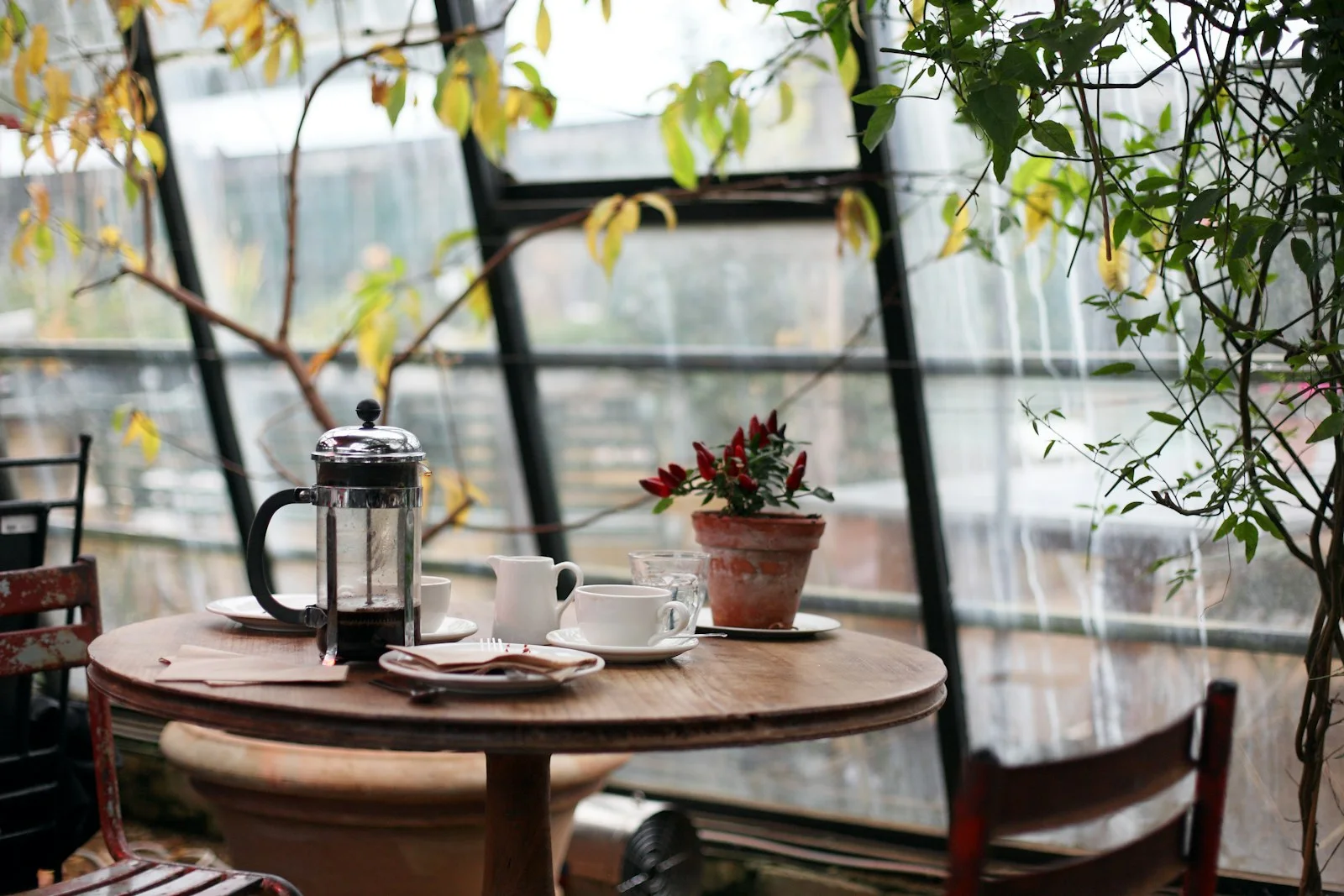
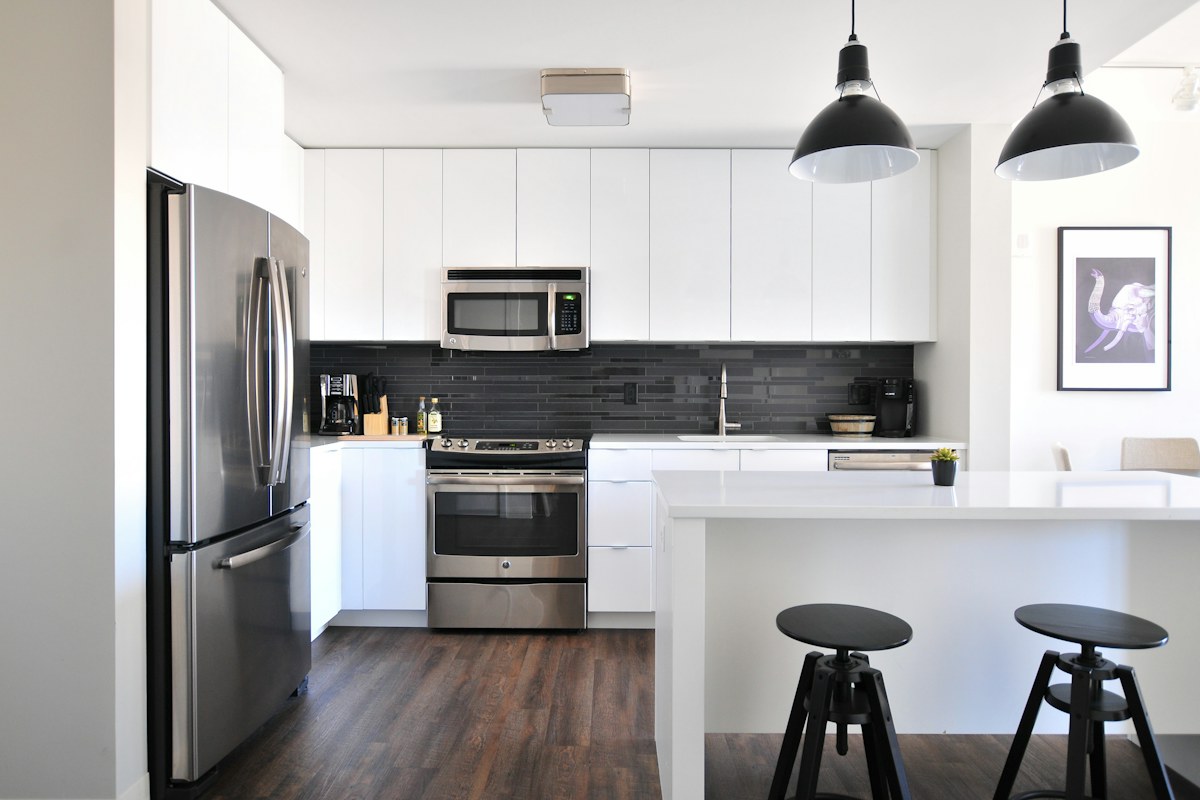
A polished appliance, metal base or glossy object can draw attention through its reflections rather than its nominal color. Begin with the actual retained piece in the room. Look at what it reflects and how strongly it appears from the ordinary approach.
A finish described as silver or black may behave very differently from another with the same color name. Keep sheen, shape and background in the comparison instead of assuming a matching description guarantees a quiet relationship.
Compare ordinary lighting conditions
Look in daylight and with the lamps used during the evening. A small reflective surface may become much more noticeable when it catches a particular light. A camera can exaggerate that highlight, so use photographs as records rather than proof of exact brightness.
Keep the equipment in its suitable existing position for the first view. Do not cover, tilt or relocate an appliance against its requirements merely to remove a reflection. The practical product information remains separate from the decorative decision.
Try one retained echo
If the finish feels isolated, compare one suitable retained object that repeats it. Leave the rest of the group unchanged. A modest repeat may create a clear connection, but it can also double the very highlight that was bothering you.
Step back before adding another match. Several polished accessories can create more visual activity than their small size suggests. The large retained object may already have enough presence without a full coordinated collection around it.
Use a quieter contrast
A matte textile, plain ceramic or retained timber surface can provide a different kind of connection by giving the reflection room to show. The pieces do not have to match. Look for a complete group whose differences feel deliberate.
Keep actual use and care requirements involved. An attractive material pairing does not establish food-contact suitability, heat resistance or product compatibility. The visual trial should not become an improvised test of equipment or surfaces.
If the room still feels busy, remove an optional reflective piece and compare the same view again. Name whether the improvement came from fewer highlights, a simpler outline or more visible background. That gives a future choice a clearer basis than a general instruction to add warm accessories. Save the smallest group that works in ordinary light. A reflective finish can remain a distinctive feature without being repeated on every surface, leaving the useful retained object clear and the rest of the room quiet enough to support it.
Compare the room with one optional polished object removed during the evening view. If the remaining reflection becomes easier to read, note that edit. Repeating the finish again would increase the effect you were trying to simplify.
Related reading
Considered Gifts Without the Guesswork, A Morning Routine With Room to Breathe.
A question or correction? Contact the editorial desk.