Some links on this site are affiliate links. If you buy through a marked affiliate link, we may earn a commission at no additional cost to you. This guide is researched editorial advice; purchases should be checked against current retailer terms. Read our disclosure.
Let the table be one clear material
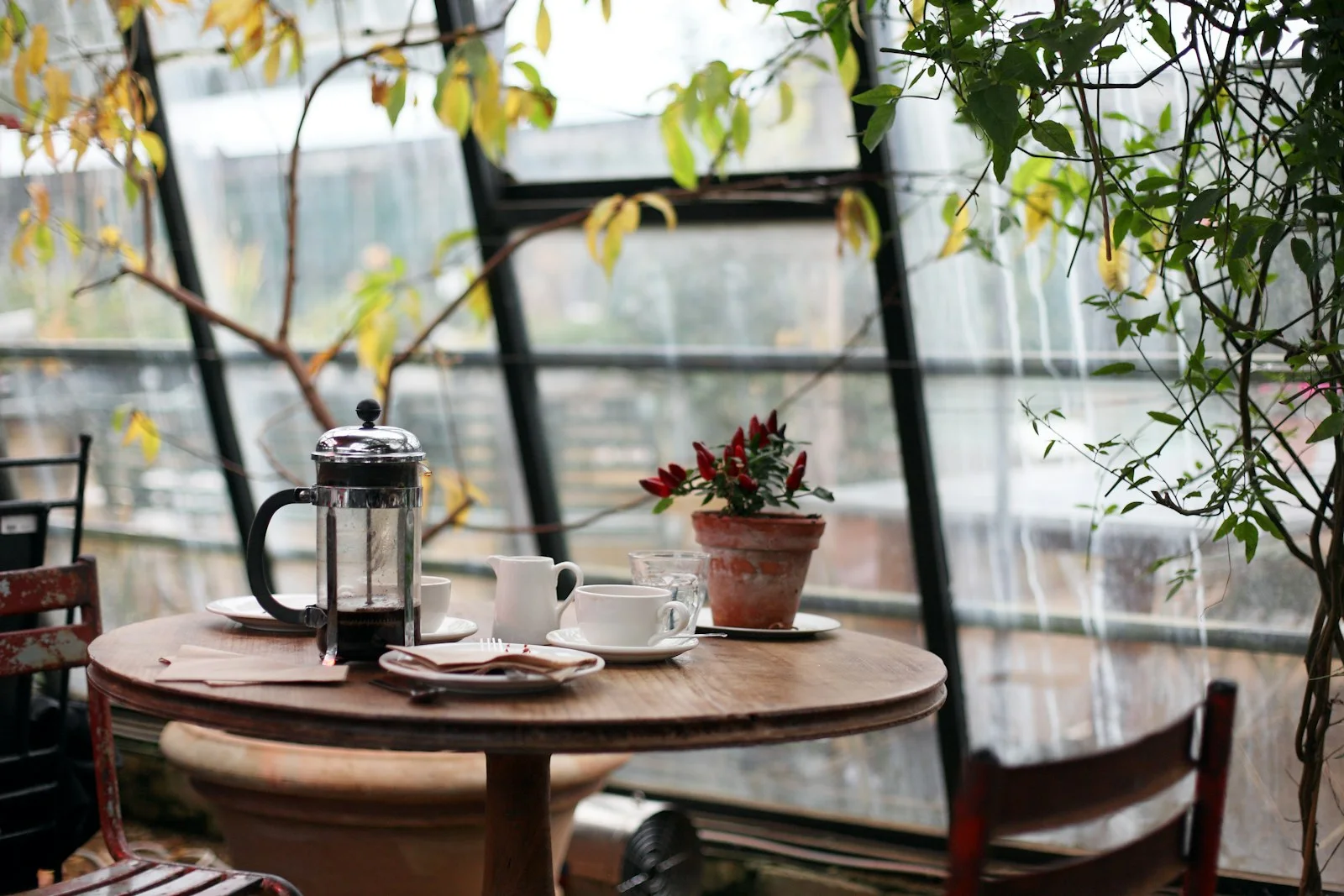
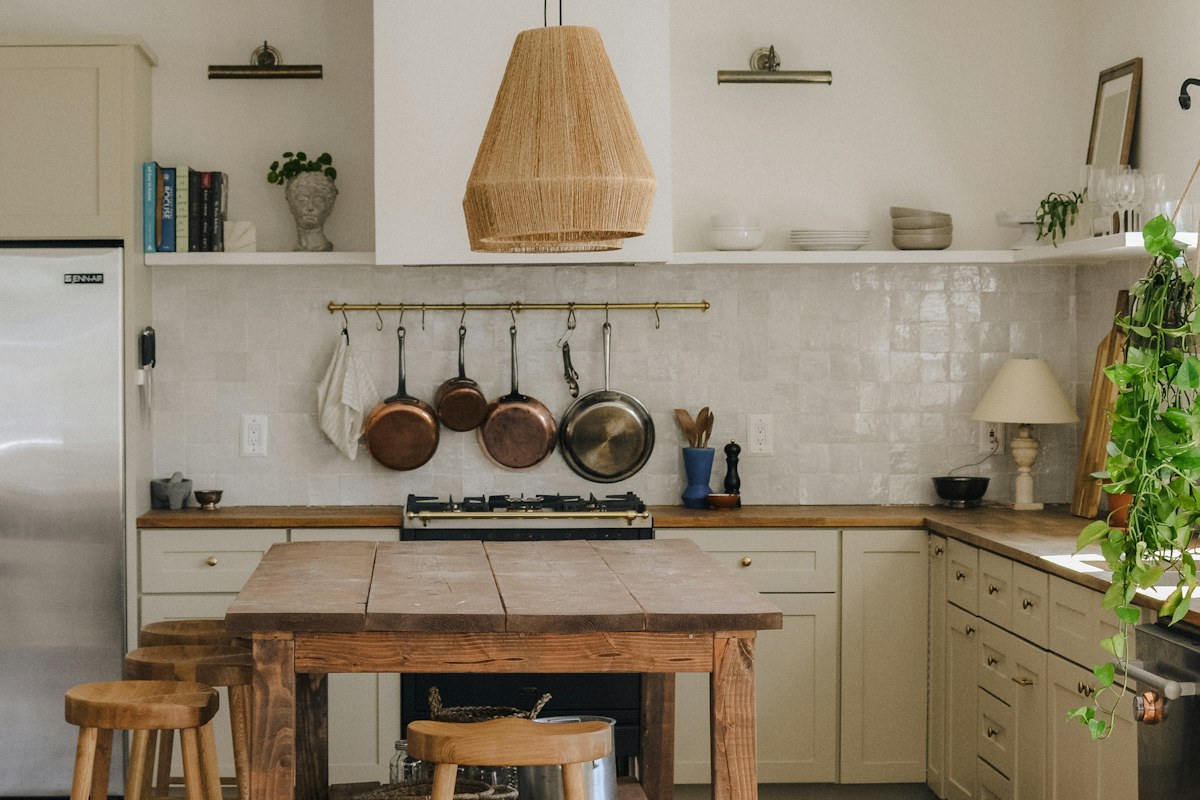
A timber table can give a room warmth without requiring every chair, shelf and decorative object to use the same finish. Start with the actual retained table and look at its visible grain and tone. Include the floor and furniture that already surround it.
The table's large surface carries more visual weight than a small accessory. A close photograph can exaggerate the importance of a little timber bowl while leaving the room's strongest material reference out of view.
Compare differences deliberately
A painted chair and a timber table may create a useful contrast. Another wood finish can also work if you enjoy the relationship in the room. Exact matching is one option rather than a requirement for coherence.
Describe the difference simply: light and dark, quiet grain and stronger grain, warm timber and cool paint. Use actual product information where material identity matters instead of trying to name a species from appearance alone.
Include the ordinary table setting
Set out the retained pieces normally used for a meal or the table's actual task. The visible amount of timber changes when a cloth, plates or current work occupies part of the surface. Compare the view you actually live with, not only the completely empty table.
Keep food-contact, equipment and care requirements separate from decoration. A surface that looks suitable in a photograph still needs to be used according to the real product information. A visual comparison cannot establish heat or load performance.
Repeat warmth once if useful
Look for a connection already present in a frame, chair detail or suitable retained object. A modest echo may settle the group without another large timber purchase. Try one piece and look again from the ordinary entrance.
If several wood tones feel busy, remove an optional small object before replacing the larger furniture. The problem may be too many similar textures competing at close range. A quieter surrounding group can make the table's own material easier to appreciate.
Keep a simple room reference naming the table and the retained pieces that work beside it. Use that image for later choices without turning it into a demand for a complete coordinated range. When another timber object attracts you, ask what role and visible relationship it adds. A table can remain the main warm material in a room while painted surfaces, textiles and other finishes do their own jobs. The useful result is a clear personal group, not a collection whose pieces must match perfectly before the room is allowed to feel complete.
Set a suitable retained place with the ordinary plate and textile, then look at the timber still visible around it. The table can remain the main warm surface even when the chairs differ. Another wooden accessory should have its own clear role.
Related reading
Considered Gifts Without the Guesswork, A Slow Weekend That Fits Real Life.
A question or correction? Contact the editorial desk.