Some links on this site are affiliate links. If you buy through a marked affiliate link, we may earn a commission at no additional cost to you. This guide is researched editorial advice; purchases should be checked against current retailer terms. Read our disclosure.
Give the budget a job
Accessories are easy to buy one at a time and difficult to assess as a total. A scarf, a belt and a watch strap can each look like a modest treat while collectively using the money reserved for something more important. Begin with an amount you can comfortably spend over a defined period, after your essential commitments. This is a personal shopping framework, not financial advice.
Choose the purpose of that amount. You might need to replace a worn everyday bag, make work outfits more versatile or allow a few enjoyable purchases without surprise bills. A clear purpose makes it easier to compare a practical replacement with an attractive impulse. You do not have to turn every purchase into an investment to justify enjoying it.
Inventory by function
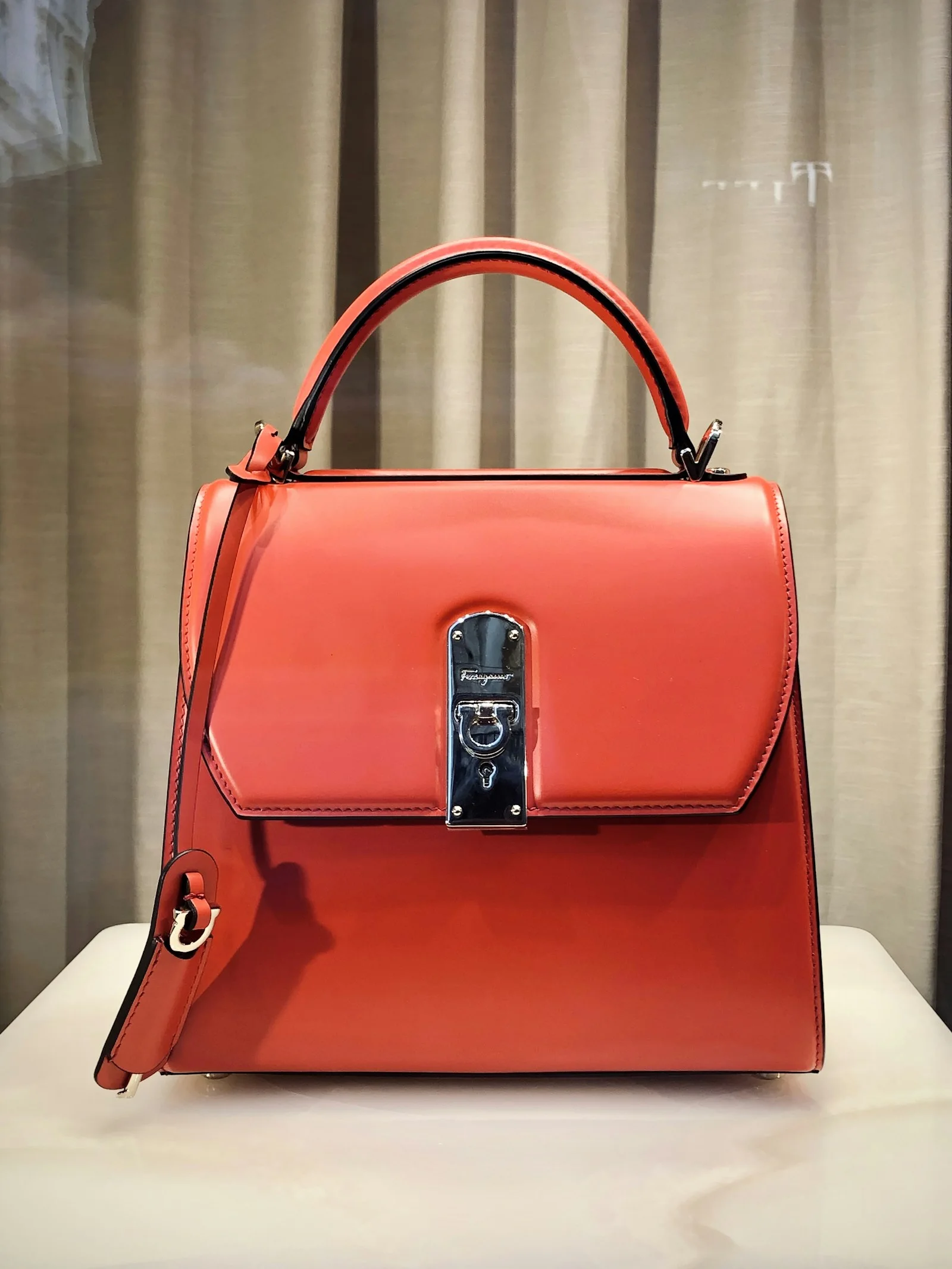
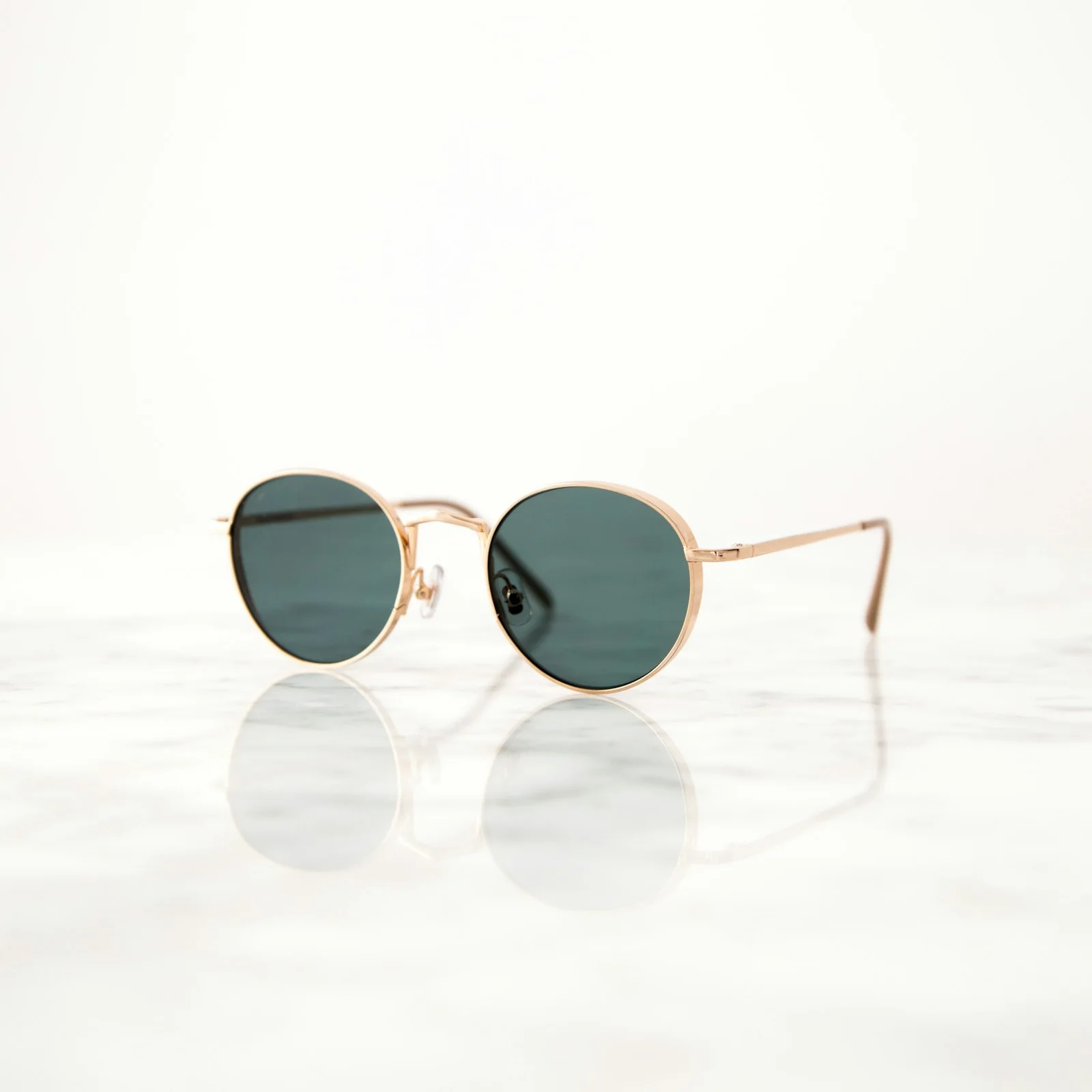
Arrange belts, scarves, bags, eyewear and jewellery where you can see them. Note which are usable now, which need repair and which no longer fit your preferences. Keep the exercise factual. A watch needing a battery is not necessarily a reason to buy another watch; a bag with an uncomfortable strap may explain why it never leaves the shelf.
Group duplicate functions rather than counting objects alone. Three tiny evening bags do not cover the same job as one bag for a workday. Equally, a missing category is not automatically a gap: you do not need a hat collection if you never want to wear one. Your own routines decide which functions deserve money.
Create a short priority list
Write down no more than three possible purchases and the reason for each. Give priority to a recurring inconvenience, then to an item that enables several outfits, and finally to a purely decorative addition if there is room. This order can change for a special occasion, but make that change consciously rather than letting every sale redefine the list.
Be specific about the useful feature. Replace a bag means little; find a secure everyday bag that fits the glasses case and has a comfortable adjustable strap is a workable brief. Specificity helps you reject near misses even when they are discounted. It also makes comparing a repaired item with a new one more straightforward.
Use cost per wear cautiously
Dividing price by a realistic number of wears can reveal why a frequent-use item deserves attention. A belt worn weekly may offer more practical value than a cheaper piece used once. However, the calculation depends on an estimate, and an optimistic estimate can excuse almost any price. Base it on your past habits rather than the lifestyle pictured in a campaign.
Keep occasional pleasure purchases in a separate mental category. A decorative clutch may be worth its price to you even with infrequent wear, provided the spending is comfortable. You do not need to invent hundreds of future occasions. Being honest about enjoyment and frequency leads to clearer decisions than forcing every object into the same numerical test.
Compare the total cost and the exit
Add delivery, possible return postage and necessary care items to the listed price. For a watch, consider battery replacement or servicing; for a pale handbag, ask about suitable cleaning; for a belt, check whether it can be altered if needed. These costs do not automatically make an item poor value, but they belong in the comparison.
Read return terms before buying multiple options to try. Some accessories have hygiene or personalisation restrictions, and a sale may have different conditions. Keep packaging and avoid using an item outside while deciding. A discount is useful when the product meets your brief and fits the budget; it is not a benefit if the item becomes an unwanted permanent purchase.
Allow time between interest and checkout
Save the exact item and revisit it after a short pause. Build two or three outfits with things you already own and ask where you would actually use it next week. If you cannot find an occasion, move it lower on the list. If it fills a clear gap, check the size, material and seller information before ordering.
Review the budget at the end of the period without turning it into a judgement of your taste. Which purchase was used often? Which repair saved a favourite? Which tempting item was forgotten after a few days? Those answers improve the next list. A purposeful accessories budget leaves room for style while making sure the objects you bring home have a believable place in your life.
Make a considered choice
| Purchase type | Useful test | Budget approach |
|---|---|---|
| Everyday replacement | Does it solve a recurring problem? | Prioritise total usable cost |
| Outfit addition | Does it work with three existing looks? | Compare with your short list |
| Occasional treat | Is enjoyment worth the affordable price? | Use a defined discretionary amount |
A question or correction? Contact the editorial desk.