Some links on this site are affiliate links. If you buy through a marked affiliate link, we may earn a commission at no additional cost to you. This guide is researched editorial advice; purchases should be checked against current retailer terms. Read our disclosure.
Read the protection information first
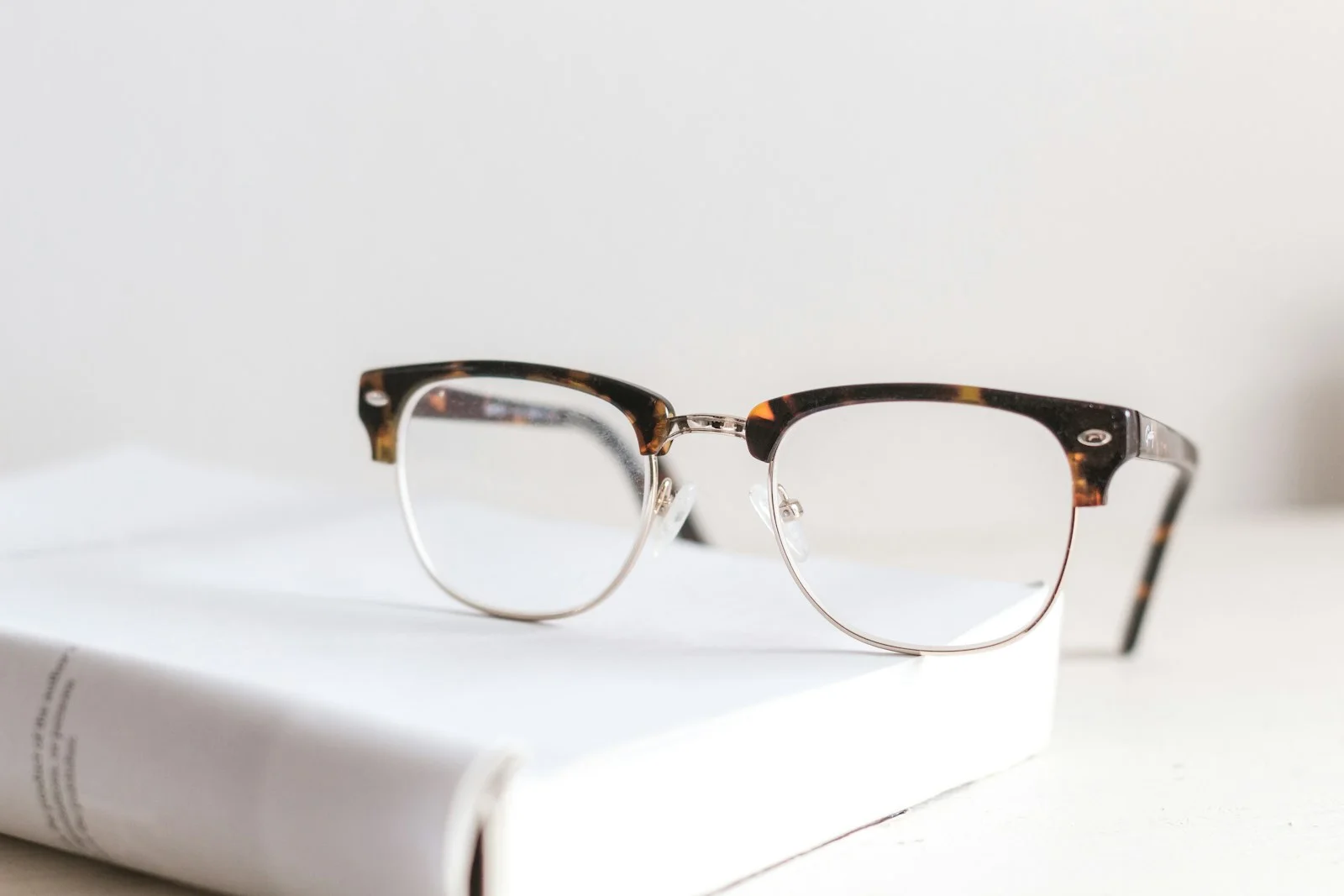
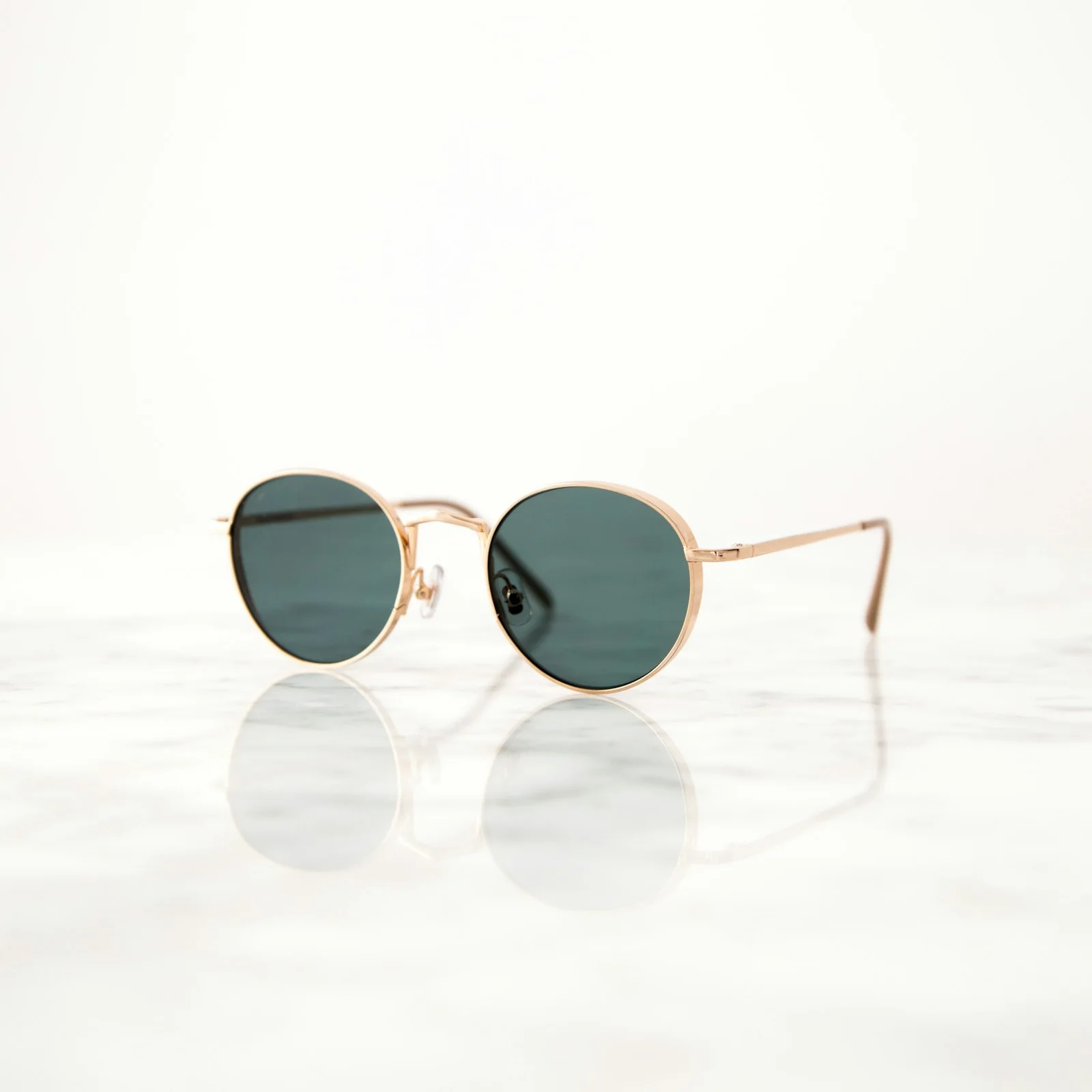
Round tortoiseshell frames, a narrow rectangle or a bold coloured pair can each change the mood of an outfit. Begin the purchase with the product's protection information, however, before deciding on a shape. The American Academy of Ophthalmology advises choosing sunglasses labelled for full UVA and UVB protection or UV400. Dark lenses and a high price do not establish that information on their own.
Use a reputable seller with clear specifications and a way to ask questions. If a listing is vague, request the relevant product information rather than inferring performance from photographs. This article offers shopping considerations, not individual eye-care advice. An optician can help when you need prescription lenses or have questions about which eyewear is appropriate for your eyes.
Try the frame in motion
A frame can look balanced in a mirror and still slide when you look down. Check the bridge, the sides and the space around your eyelashes. Smile, turn your head and look at the floor. The glasses should feel stable without creating obvious pressure. Avoid choosing a pair that depends on constant pushing back into place.
Wear your usual hairstyle during the fitting and consider how the arms interact with it. If you often wear a hat, try the combination. A frame pressing against the brim may behave differently outside. Fit varies between designs, so a familiar brand name does not guarantee that every shape will sit in the same way.
Use measurements as a comparison tool
If you own a comfortable pair, note the measurements printed inside the arm and compare them with a new listing. Lens width, bridge width and arm length provide useful clues, although shape and construction also affect fit. A few millimetres can matter, and product photography rarely gives a reliable sense of scale.
For an online purchase, check whether the retailer gives total frame width and offers detailed photographs from the side. Read the returns terms before removing tags or packaging. Keep in mind that a virtual try-on can suggest proportions but cannot tell you how a bridge feels after an hour. Treat it as a shortlist tool, not a substitute for checking comfort.
Separate glare choices from UV information
Polarised lenses are a separate feature from the product's UV protection claim. Ask the retailer or optician to explain the specific lens rather than assuming one label includes the other. Your intended use also matters: reading a phone outside, looking at water and driving involve different practical considerations. Seek guidance about lens suitability for those activities.
Avoid selecting very dark or specialist lenses merely because they look dramatic. Read any driving restrictions and product instructions. Sunglasses are not for looking directly at the sun, and ordinary fashion eyewear is not protective equipment for hazardous work or sport. Keep the buying conversation tied to the actual activity instead of treating a single pair as universal.
Choose a shape you will reach for
Rather than relying on rigid face-shape rules, compare how a frame works with your own preferences. A softly rounded pair can echo jewellery and relaxed clothing; an angular frame may suit the cleaner lines you enjoy. Try both with a familiar coat or jacket. The right choice is one you like enough to carry and use.
Colour can be a practical consideration. Tortoiseshell often brings warm tones into a neutral outfit, while a clear or pale frame may feel lighter visually. A colourful pair can replace another statement accessory. Check the actual colour in natural light when possible, since screen settings and studio lighting can make translucent materials appear quite different.
Budget for keeping the pair usable
A case that fits inside your everyday bag is part of the purchase decision. Glasses carried loose beside keys are more exposed to damage. Use the maker's cleaning directions and an appropriate clean cloth; avoid improvising with harsh household cleaners. Ask whether replacement parts or adjustments are available before paying more for a frame you hope to keep for years.
Finally, compare the total cost with how often and where you will use the pair. A modest, clearly specified frame that fits can be a sound choice. An expensive pair that pinches or stays at home offers little practical value. If you need individual guidance on fit or lenses, allow room in the budget for advice from a qualified eye-care professional.
Make a considered choice
| Question | What to look for | Who can help |
|---|---|---|
| Protection information | Clear full UVA/UVB or UV400 specification | Reputable retailer or optician |
| Everyday comfort | Stable bridge and comfortable arms | In-person fitting |
| Driving or prescription needs | Activity-appropriate lens advice | Qualified eye-care professional |
A question or correction? Contact the editorial desk.