Some links on this site are affiliate links. If you buy through a marked affiliate link, we may earn a commission at no additional cost to you. This guide is researched editorial advice; purchases should be checked against current retailer terms. Read our disclosure.
Describe the day before choosing the shoe
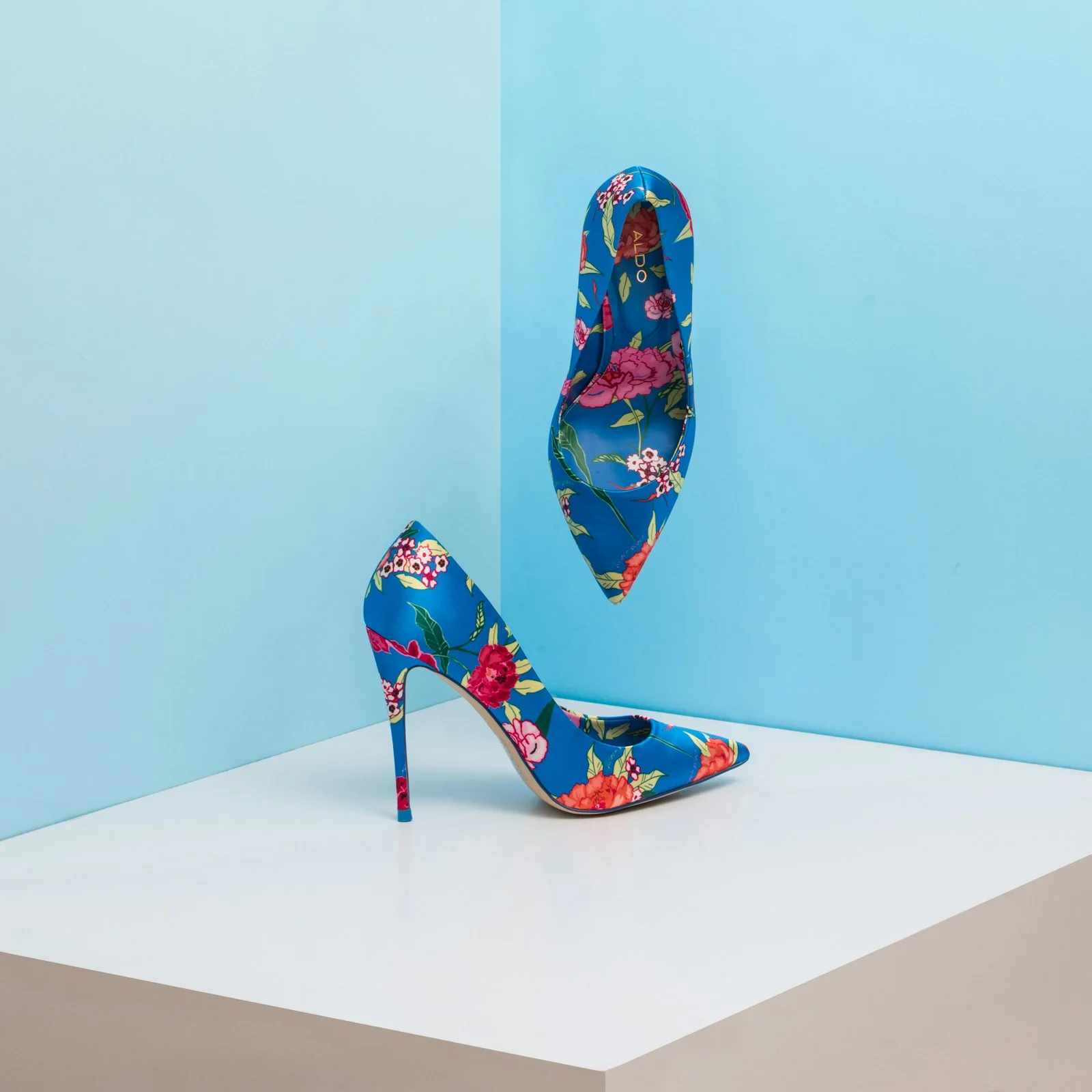
A floral heel can be a joyful finishing touch for a seated dinner, but a day involving stations, cobbled streets and errands asks different questions. Start with the actual route and the hours you expect to spend standing. Consider the weather and any dress code as well. These details help you distinguish a useful addition from a beautiful shoe with no realistic place in your week.
Write down your three most common situations. They might be office days, local walks and occasional celebrations. You do not need a separate pair for every possible event. Look for comfortable overlap, such as a familiar loafer that works with trousers and a dress, while allowing a special pair to remain an occasional pleasure if your budget permits.
Try both shoes properly
Sizing varies between brands and styles, so begin with the size guide rather than relying only on the number you usually buy. Try both shoes with the socks or hosiery you plan to wear. Fasten them as intended and walk around indoors where the retailer permits it. Notice pressure, slipping and whether the toes have adequate room without forcing your foot into an unfamiliar shape.
Do not count on a painful shoe becoming comfortable through determination. Some materials change with wear, but that is not a reliable remedy for poor fit. If you have ongoing pain, a foot condition or particular support requirements, seek guidance from an appropriate professional. A fashion guide cannot assess your feet or promise comfort from a construction detail.
Judge the sole and fastening together
A shoe that feels secure on a shop floor may behave differently in rain or on an uneven pavement. Read the maker's intended-use information and inspect the sole. A delicate smooth sole may suit occasional indoor wear more than a wet commute. Avoid assuming a chunky appearance guarantees grip; material and tread both matter.
Laces, buckles and adjustable straps can help tailor fit, but they also affect how quickly you can put the shoes on. A slip-on is convenient only if it remains secure while walking. For a long day, assess the whole design rather than selecting on one feature such as padding or heel height. Your route provides the more useful test of suitability.
Make occasion shoes work with the outfit
If you want a colourful pair, bring a photograph of the outfit or try the pieces together at home within the return conditions. The shoe can provide the main pattern while the rest of the outfit stays simple. Matching every accessory to one colour is optional; a quieter bag often gives a decorative shoe enough space.
Check hem length with the actual pair. Trousers that skim the floor in heels may drag when you change into flats for the journey. For events involving a lawn, stairs or considerable standing, consider those surfaces before buying a narrow heel. A change of shoes is useful when practical, but it should not be the only thing making an unsuitable choice tolerable.
Plan for care and repair
Read the care directions for the specific upper and finish. Suede, smooth leather, coated materials and textiles may require different approaches. Test any recommended care product according to its instructions rather than applying it broadly to a new pair. Let damp shoes dry in the manner advised by the maker, away from unsuitable direct heat.
Ask a cobbler whether soles or heel tips can be repaired before a favourite pair becomes badly worn. Repairability differs between constructions, so do not assume an expensive shoe can always be resoled. Keep footwear stored without crushing the uppers and check occasionally for worn fastenings. A modest maintenance budget can preserve a useful pair better than buying another one prematurely.
Buy the gap, not the repetition
Set the shoes you wear most beside the pairs that rarely leave the cupboard. The comparison may reveal that you keep buying attractive heels while postponing replacement of a worn everyday shoe. Put the practical gap first. If the basics are covered and the occasional pair fits comfortably, you can choose it with a clear understanding of its role.
Compare final price, return shipping and how you will try the shoes without marking them. Keep packaging until you are satisfied, and do not wear a questionable pair outside merely to decide. A small, useful collection is built through appropriate fit and repeat wear. The best purchase is the pair that supports a real plan you look forward to making.
Make a considered choice
| Your plan | Prioritise | Check with outfit |
|---|---|---|
| Daily commute | Secure comfortable fit and appropriate sole | Trouser hem and weather layer |
| Seated celebration | Comfortable occasion style | Standing and walking still required |
| Versatile casual wear | Shape suited to several outfits | Actual socks and hosiery |
A question or correction? Contact the editorial desk.