Some links on this site are affiliate links. If you buy through a marked affiliate link, we may earn a commission at no additional cost to you. This guide is researched editorial advice; purchases should be checked against current retailer terms. Read our disclosure.
Plan for the warmest room as well as the street
A cool morning can tempt you to build an outfit entirely around staying warm outside. Later, a heated train or office makes every layer feel excessive. Start with a base outfit you would be comfortable wearing in the warmest likely setting, then add pieces you can remove easily. A breathable shirt or fine knit may be more useful than a heavy jumper worn directly against the skin. Consider your own comfort and local conditions rather than treating a seasonal date as a temperature forecast.
Map the transitions in the day. A ten-minute walk, an hour on public transport and several hours at a desk ask different things of an outfit. If you will remove your jacket frequently, choose one that folds or hangs conveniently and does not require extensive rearranging. The practical question is what you will do with each layer when it comes off.
Leave room at the points that move
Most layering frustration appears at the shoulders, upper arms and waist. A generous coat can still feel tight if the sleeve opening will not pass over a textured knit. Put the complete outfit on before deciding that two pieces work together. Reach forward as if holding a steering wheel, lift an arm to a shelf and sit down. Fabric should have enough room to move without the entire outfit riding up. A mirror alone cannot tell you how a tight armhole will feel after an hour.
Try smoother fabrics beneath more textured ones. A fine cotton shirt can slide under a cardigan more easily than a thick brushed overshirt. This is not a universal fabric rule, so test the actual garments. If sleeves keep twisting, simplify the combination to two layers or swap one piece. Buying a larger outer layer is not always necessary when a thinner middle layer solves the same problem.
Use varied lengths deliberately
Visible hems can make a layered outfit interesting, but accidental bunching often feels distracting. Try a shorter jacket over a longer shirt, or a cardigan that finishes near the waistband of wider trousers. Decide which edge you want to show rather than leaving several similar lengths competing around the hips. A tucked base layer can help, provided it remains comfortable when seated and does not pull across the shoulders.
Longer coats can cover a range of inner proportions, but check them open as well as closed. A cardigan hanging below a short jacket may be a look you enjoy; it may also collect rain beyond the jacket's protection. Consider the day's weather alongside the appearance. If you carry a crossbody bag, put it on during the trial because its strap can shift layers and make an otherwise comfortable neckline bunch.
Choose a purchase by the gap it fills
When a wardrobe lacks a useful middle layer, define the job precisely. You might need a washable cardigan for a chilly desk, a light overshirt for indoor and outdoor transitions, or a smooth knit that fits under a fitted coat. These are different purchases. Compare garment measurements and sleeve shape, and check that the item works with at least two bases you already wear. A piece chosen only for a styled product photograph may not suit your existing outerwear.
Consider closures and pockets. Buttons can make temperature changes easier; a pullover may feel cleaner but be awkward to remove without disturbing hair or glasses. Large pockets can be convenient, yet they may add bulk beneath another jacket. Read the care label and think about washing frequency. A delicate light-coloured layer worn on a daily commute may demand more maintenance than you want to provide.
Keep weather protection a separate requirement
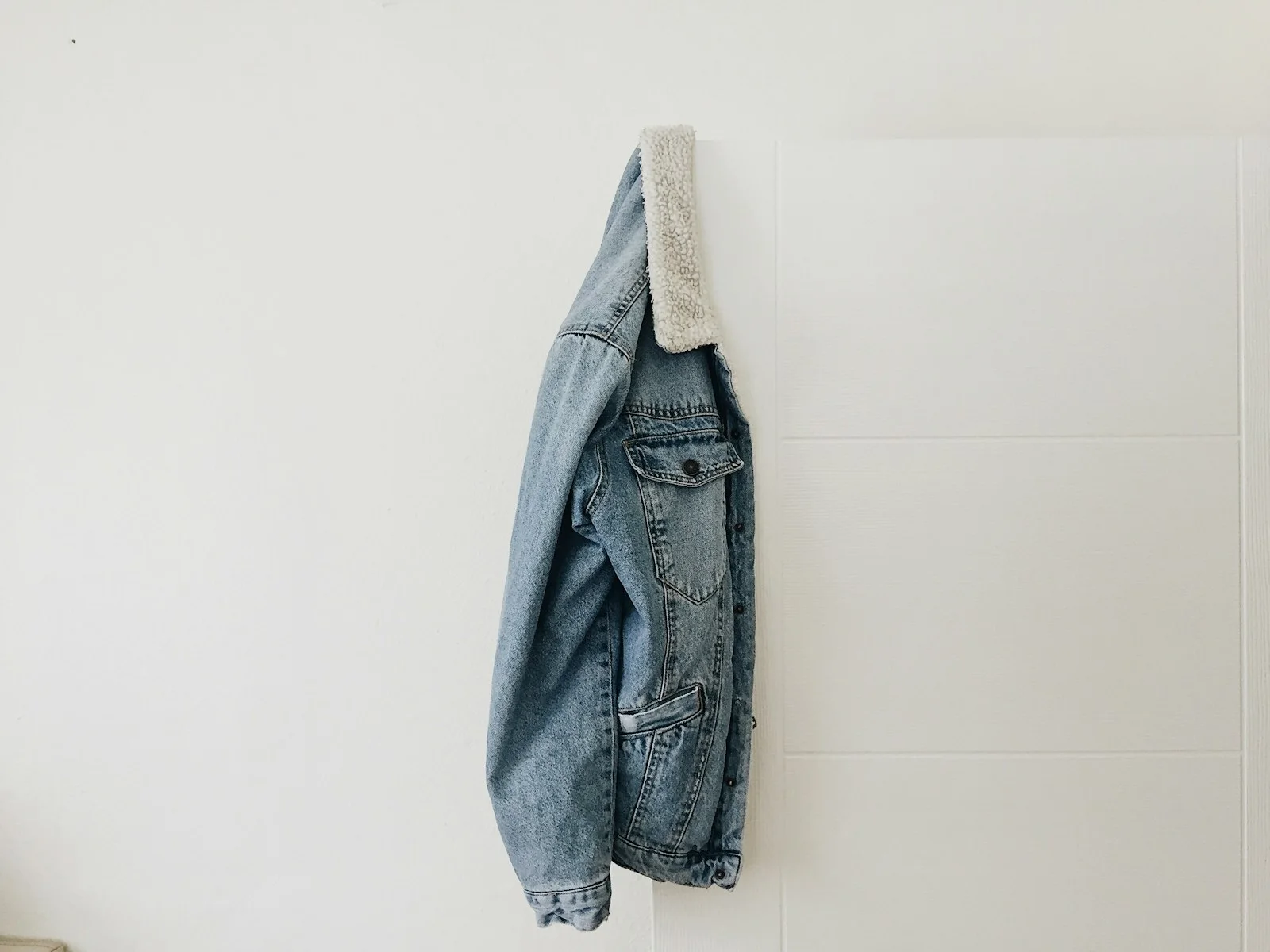
An attractive layered outfit is not necessarily rainproof or suitable for prolonged cold. Check the actual performance information for any weather garment rather than inferring protection from a technical-looking fabric. A light denim jacket works as a casual layer but is not a substitute for a rain shell in sustained wet conditions. If your plans involve outdoor exposure, choose clothing appropriate to the activity and conditions, then use accessories and colour to make the combination feel like yours.
After a day of wear, note which layer you removed first and which one never helped. Repeatedly carrying an unused bulky knit is a sign to choose a lighter alternative next time. Hang damp outerwear where it can dry and follow garment care instructions before storing it. A small rotation of compatible layers is often easier to manage than a large collection with sleeves and hems that fight one another every morning.
Make a considered choice
| Problem | Useful adjustment | Check |
|---|---|---|
| Tight sleeves | Smoother or thinner middle layer | Reach and sit in full outfit |
| Overheated indoors | Base works on its own | Where removed layers will go |
| Rain expected | Suitable protective outerwear | Actual product weather specification |
A question or correction? Contact the editorial desk.