
Some links on this site are affiliate links. If you buy through a marked affiliate link, we may earn a commission at no additional cost to you. This guide is researched editorial advice; purchases should be checked against current retailer terms. Read our disclosure.
Choose the most demanding part of the day
A Saturday can move from groceries to a long lunch and then an impromptu walk. Instead of building a separate outfit for every stop, identify the activity with the strongest practical requirement. If walking is likely, start with suitable shoes. If you will carry shopping, choose a bag that leaves your hands available and does not become uncomfortable when full. If the day begins outdoors and ends in a warm café, plan a layer you can remove without having to rethink the entire outfit.
Leave room for comfort without assuming relaxed clothes must look careless. A clean T-shirt, comfortable trousers and a jacket you enjoy can be enough. Notice fabric, fit and condition before adding decorative pieces. The most useful weekend outfit is one you stop thinking about once you leave home, rather than one that needs constant adjustment to remain presentable.
Give casual basics a deliberate shape
Try a soft top with straight or wide trousers and a short outer layer. Alternatively, pair relaxed jeans with a longer shirt and a simple knit. Neither formula needs a new purchase if similar pieces are already in the wardrobe. Adjust the sleeves and hem until the proportions feel intentional to you. A sleeve rolled once or a partial tuck may change the balance, but keep it comfortable enough to survive ordinary movement.
Colour repetition can make assorted basics feel connected. Echo the shade of a stripe in your bag, or repeat a dark shoe with a dark jacket. Exact matching is unnecessary. If you enjoy bright clothes, let one piece lead and choose supporting items that make it easy to wear. A colourful trouser does not require a plain personality; it simply benefits from combinations you can remember and repeat.
Think about pockets, seating and carrying
Weekend plans often involve small practical demands that product photographs omit. A skirt may ride up on a café chair, a coat pocket may not hold your phone securely, or a sleeve may trail through a market stall. Test those details at home. Sit, bend and put your everyday items in the pockets. A bag with a closure may be more convenient in a crowded setting than an open tote, depending on your needs and local circumstances.
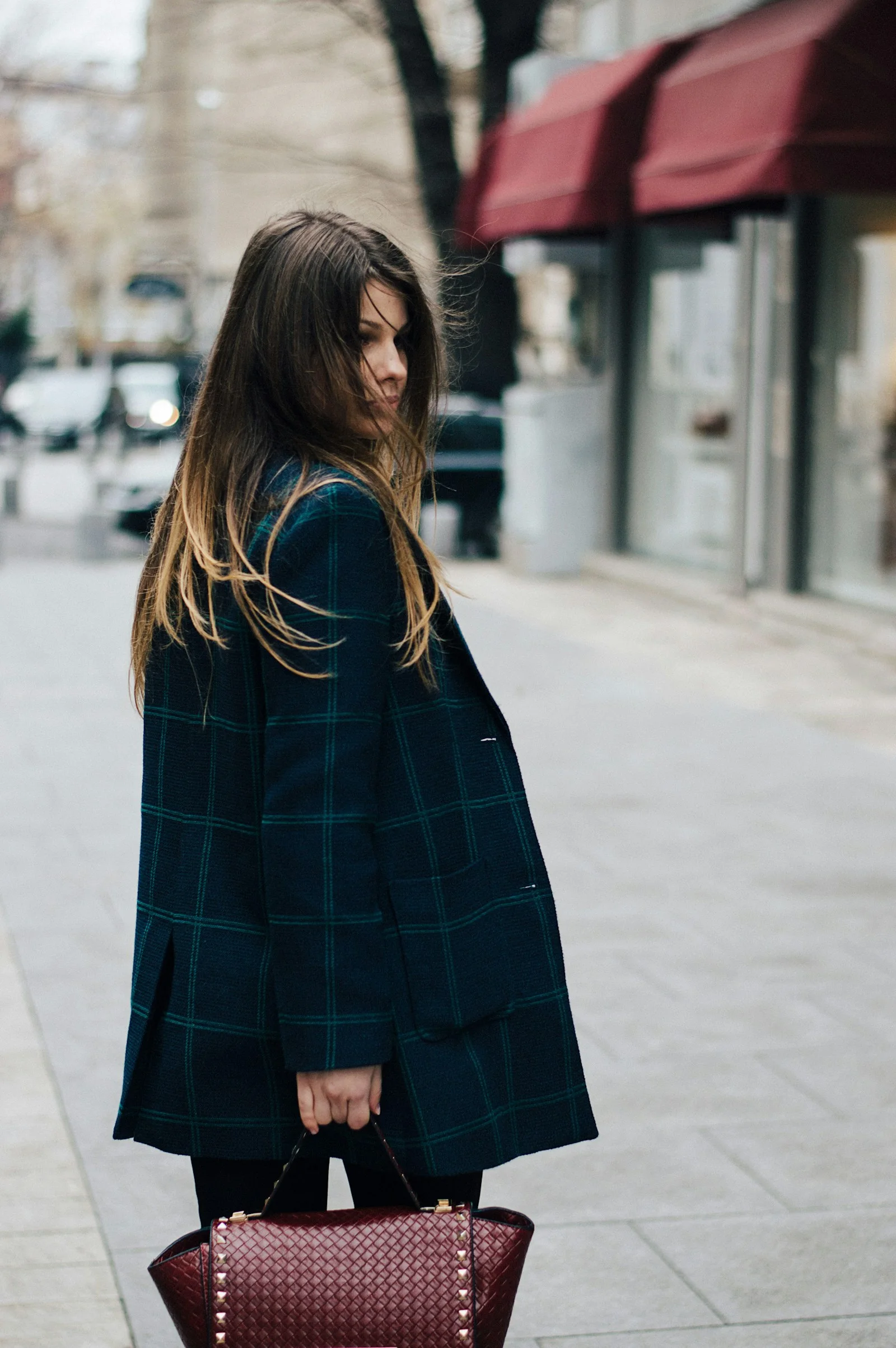
Avoid loading a small fashion bag beyond its comfortable capacity. If you need a water bottle, book and groceries, a separate reusable shopping bag can distribute the jobs better. Check strap length over the layer you intend to wear. A crossbody that works over a thin shirt may sit awkwardly over a winter coat. Small fit differences can decide whether an accessory is used often or left on its hook.
Buy for a missing function, not a weekend fantasy
Before purchasing another casual piece, describe the gap. Perhaps you lack trousers with usable pockets, a washable layer for outdoor seating or a shoe appropriate to both errands and lunch. Search by those requirements first. A beautifully styled outfit may suggest a mood, but it does not tell you whether the individual pieces fit your routines. Compare materials, care instructions and return conditions alongside the visual appeal.
Consider how a new item works on an ordinary Sunday as well as a carefully planned outing. Try it with several existing tops or bottoms. If it needs a matching accessory, special underwear and unfamiliar shoes to work, the actual cost extends beyond the price tag. That may still be a choice you enjoy, but make it consciously rather than discovering the extra requirements after the return period closes.
Keep a low-effort ready option
Choose one reliable weekend combination and keep its components easy to find. This is useful for the morning when a friend suggests coffee before you have finished your chores. Store the shoes together, keep the layer clean and note an alternative for rain. It does not have to be your most interesting outfit; it only needs to feel comfortable and like you. Repetition can leave more energy for the day itself.
After a few weekends, notice what you actually wore. If the same pair of trousers keeps working, learn from its rise, fabric and pockets rather than buying several random alternatives. Care for those favourites according to their labels and repair small faults where worthwhile. A practical casual wardrobe grows through observation, with purchases that earn their place in real plans instead of waiting for an ideal weekend that rarely arrives.
Make a considered choice
| Plan | Useful base | Detail to test |
|---|---|---|
| Market and errands | Comfortable trousers and removable layer | Pockets and carrying capacity |
| Lunch followed by a walk | Simple outfit with suitable shoes | Comfort on actual route |
| Uncertain weather | Base plus adaptable outerwear | Drying and storage after use |
A question or correction? Contact the editorial desk.