Some links on this site are affiliate links. If you buy through a marked affiliate link, we may earn a commission at no additional cost to you. This guide is researched editorial advice; purchases should be checked against current retailer terms. Read our disclosure.
Start with the day, then the clothes
An outfit formula is a combination you can repeat with different pieces: straight trousers, a soft top and a jacket, for example. It is useful when the morning includes a late alarm, breakfast dishes and a train to catch. Before opening the wardrobe, decide what the day asks of you. Walking distance, temperature, sitting time and any dress expectations matter more than a photograph of an ideal outfit. Set out the shoes first if they are the hardest requirement. Comfortable loafers might lead to ankle-length trousers; trainers might work better with a longer, relaxed hem.
Choose three combinations from your existing clothes and photograph them together. Record any practical problem beside each image: a top needs an undershirt, a trouser hem catches under a heel, or a coat does not close over the jacket. Solving those details turns an attractive combination into something you can actually wear.
Use a simple base and one change of texture
Try a plain T-shirt with straight jeans and a knitted cardigan for a day of errands. The cardigan gives the combination a softer edge while remaining easy to remove indoors. If everything feels flat, change texture before buying another colour: ribbed cotton, brushed wool or a woven belt can make familiar pieces feel considered. Keep the base comfortable enough to wear without the outer layer, since a warm café or crowded bus may leave it on show.
A second formula is a matching or closely related top and trouser colour with a contrasting overshirt. This creates an easy visual line without requiring an exact set. Navy with faded blue, or brown with cream, can be more forgiving than trying to match two almost identical black fabrics. Check the colours in daylight rather than relying on the wardrobe lamp.
Balance volume without making rigid rules
A roomy shirt with narrower trousers is a useful third formula, but it is a starting point rather than a rule about bodies. The important question is where you want the fabric to sit. A partial tuck may define the waistband while keeping movement through the back. Leaving the shirt loose can feel better for a long seated day. Try both while walking and sitting; a front view in a mirror will not reveal a shirt that pulls across the shoulders.
For a fourth formula, wear a dress with a light knit and footwear suitable for the route. Consider whether the dress has enough room for the knit underneath or whether the knit sits better over it. A cropped layer may clear the waist seam, while a longer cardigan can work with a straighter dress. Avoid buying a special layer until you have tried the ones you already have.
Let a practical jacket finish the look
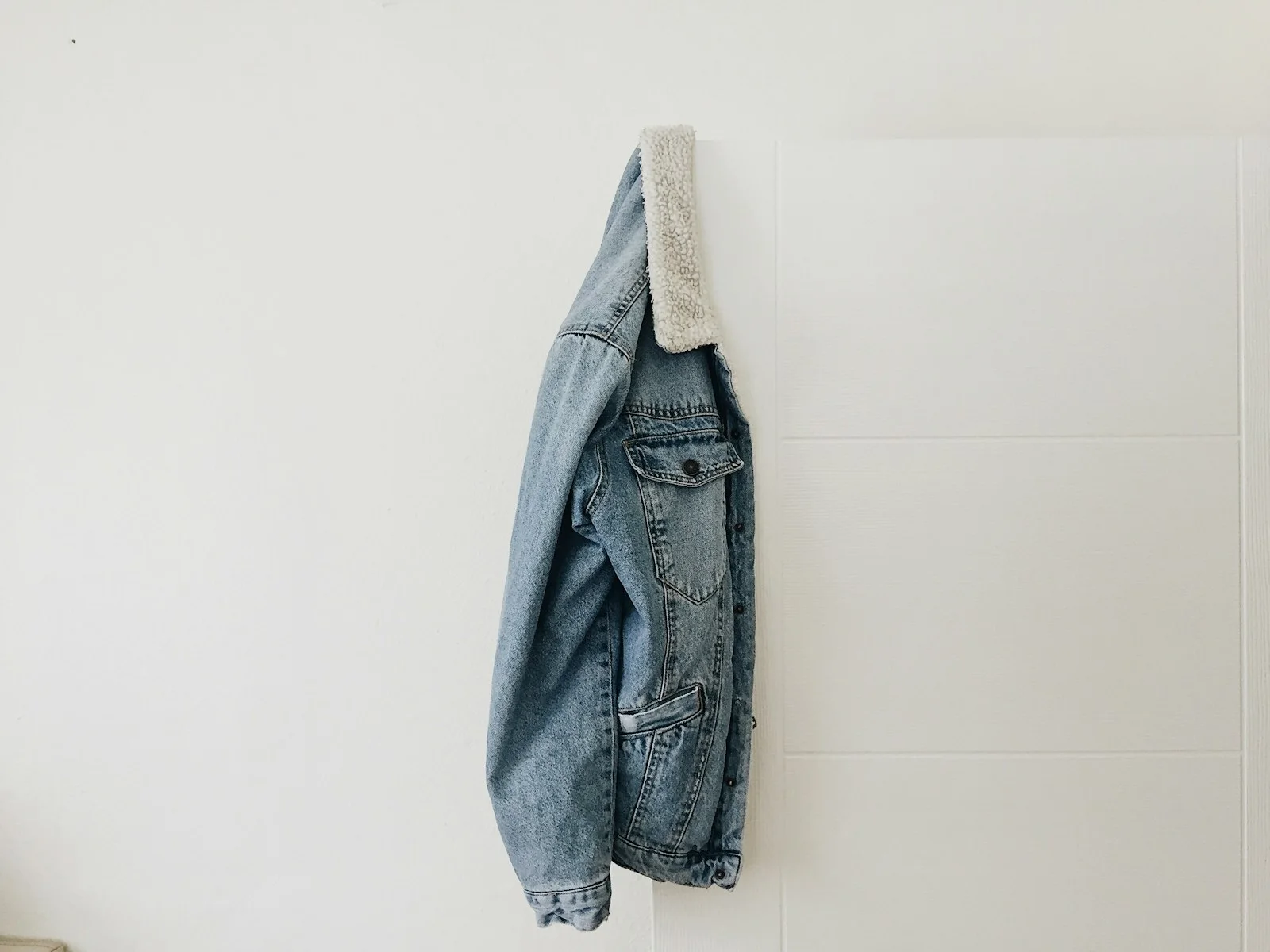
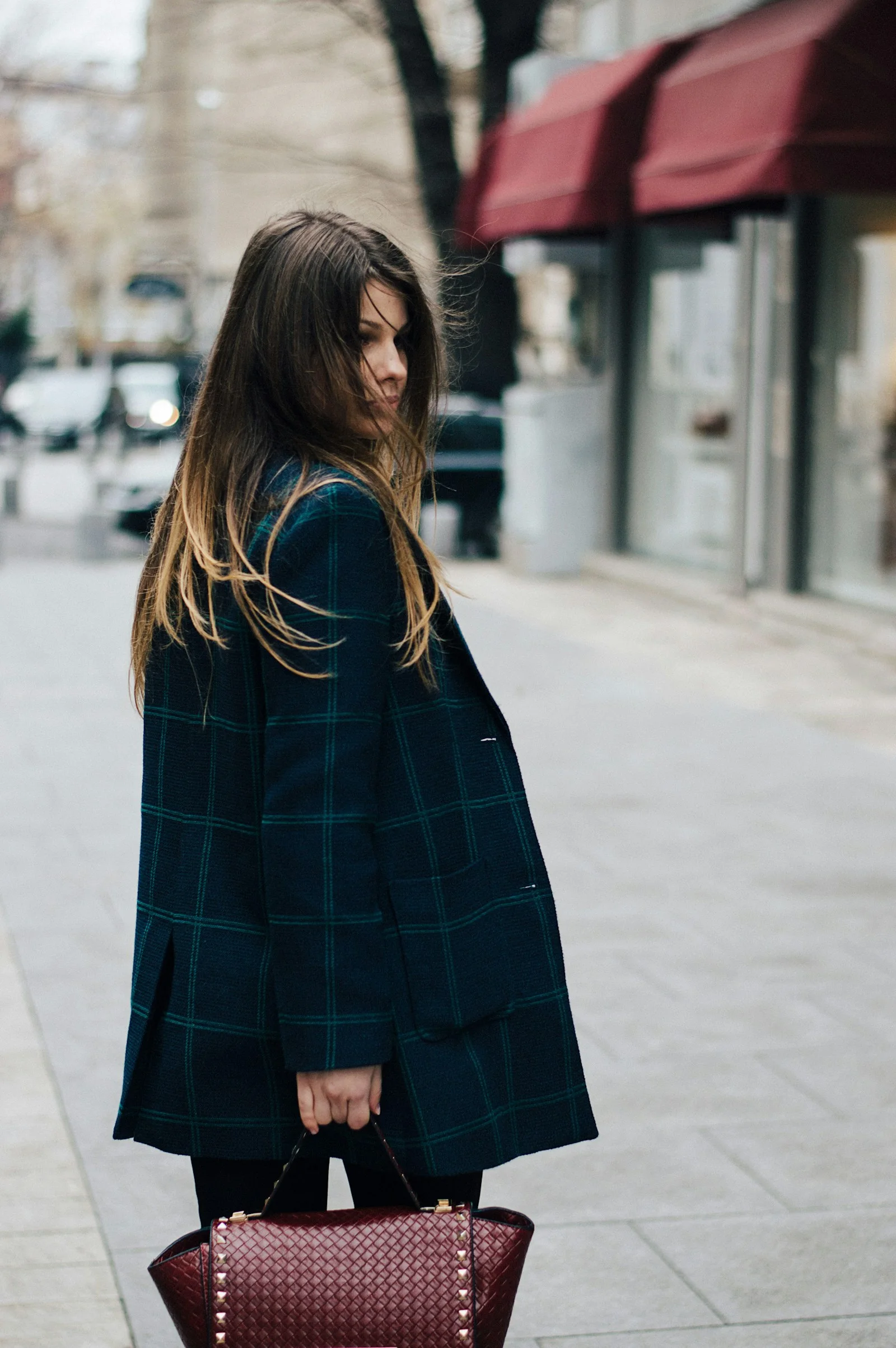
The fifth formula is relaxed trousers, a fine knit and a structured jacket. It can suit a casual workplace, lunch or an appointment when the fabrics and condition are appropriate. A jacket does not have to be a blazer: a clean-lined denim jacket or short coat may do the same visual work. Leave enough space at the shoulders to reach forward, carry a bag and put the coat on without tugging.
When shopping for a missing piece, take the intended base outfit with you or wear it to the fitting room. Check pocket placement, sleeve length and whether the jacket hangs correctly when open. Compare the full cost, including alterations, with how frequently the piece could join your existing combinations. An inexpensive jacket that works with one difficult outfit may be less useful than a better-fitting option you can wear three ways.
Make repetition easier to maintain
Keep the formulas visible on your phone or inside the wardrobe door. Prepare one alternative for rain and one for an unexpected warm afternoon. Repeating a combination is perfectly reasonable; small changes in a scarf, bag or top can give enough variety without creating another decision. After wearing a formula, note what stayed comfortable and what you kept adjusting. Those observations are more valuable than a shopping list based only on how the outfit looked at home.
Care is part of the formula. A favourite combination is unavailable if every component requires the same wash cycle on the same evening. Check garment labels, rotate washable basics and leave time for pieces to dry fully. Resist adding several near-identical items until you know which detail you actually need to change. The aim is a dependable morning routine with fewer unnecessary purchases and more wear from familiar clothes.
Make a considered choice
| If your day includes | Start with | Check before leaving |
|---|---|---|
| A long walk | Straight trousers and trainers | Hem clearance and weather |
| A casual office | Fine knit and structured jacket | Dress expectations and sitting comfort |
| Changing temperatures | Dress and removable layer | Both outfits work separately |
A question or correction? Contact the editorial desk.