Some links on this site are affiliate links. If you buy through a marked affiliate link, we may earn a commission at no additional cost to you. This guide is researched editorial advice; purchases should be checked against current retailer terms. Read our disclosure.
Keep the frame requirements first
A glasses case needs to suit the actual frame and the manufacturer's handling guidance. Identify the eyewear and any supplied case information before shopping for a smaller or more decorative option. Do not choose only by the bag's available gap.
This guide concerns carrying and storage, not optical suitability or protective performance. Use appropriate professional and verified product guidance for those needs. A compact accessory should support the eyewear rather than encourage an unsuitable storage method.
Check the closed case dimensions
Measure the suitable case with the eyewear in its intended position and the closure operating correctly. Do not assume an empty soft pouch provides the same support as another product. Follow the actual frame and case information.
Compare the full shape with the bag, including any lining or compartment that reduces usable space. A case may fit through the opening but be difficult to retrieve once the normal contents return. Test the real loaded bag rather than an empty display.
Give it a clear retrieval position
Choose a suitable place where the case can be found without emptying the bag onto a table. Keep it protected from unsuitable pressure, contact and products that could leak, according to the relevant instructions.
Check access while the bag is carried in its ordinary way. If another essential item blocks the case each time, rearrange the small collection or choose another suitable bag. Several matching pouches will not solve an underlying lack of usable space.
Plan the eyewear transition
Decide how the glasses and case will be handled when the eyewear comes off or another pair is used. Keep the process clear and follow manufacturer care instructions. Do not improvise a cleaning or folding method merely because the bag arrangement is convenient.
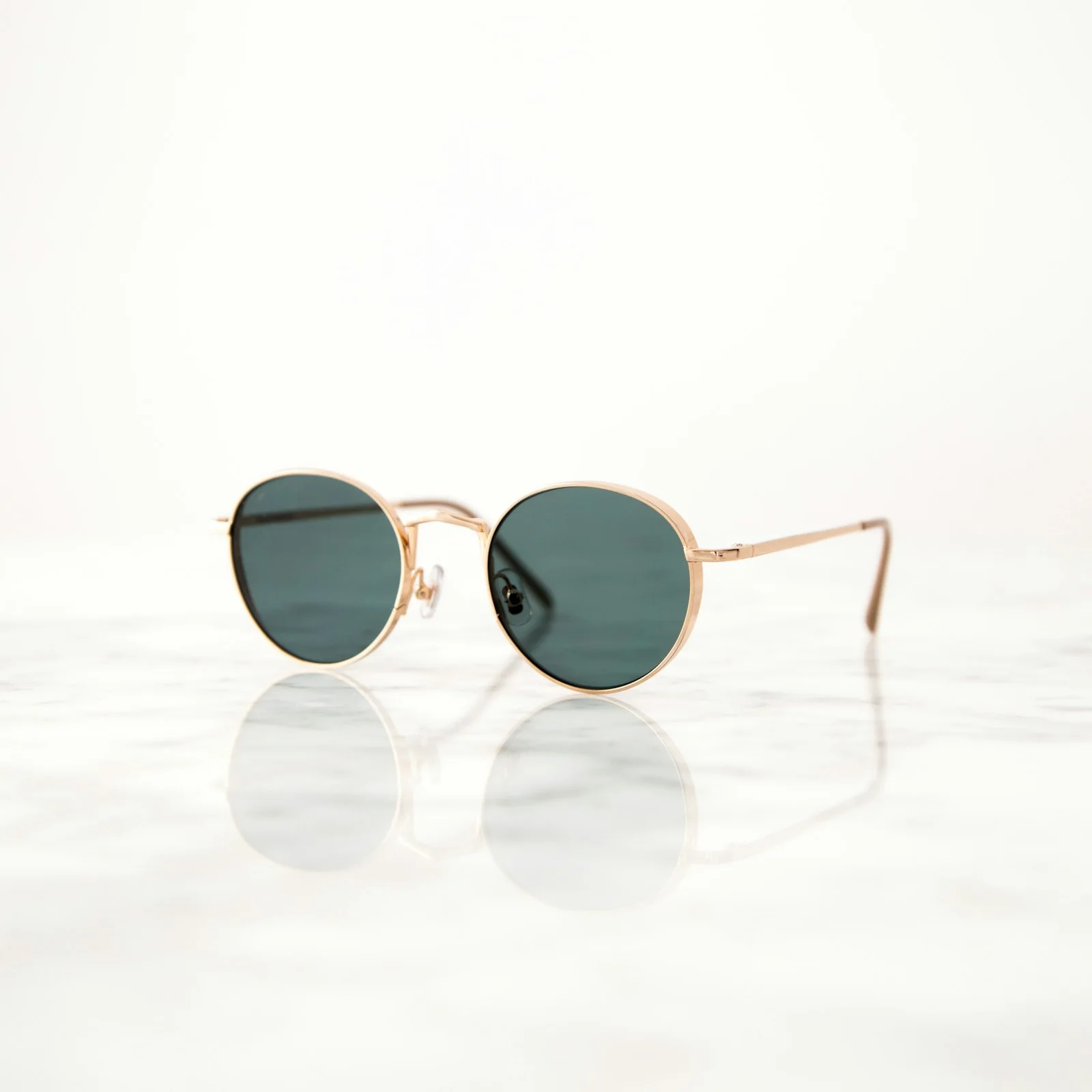
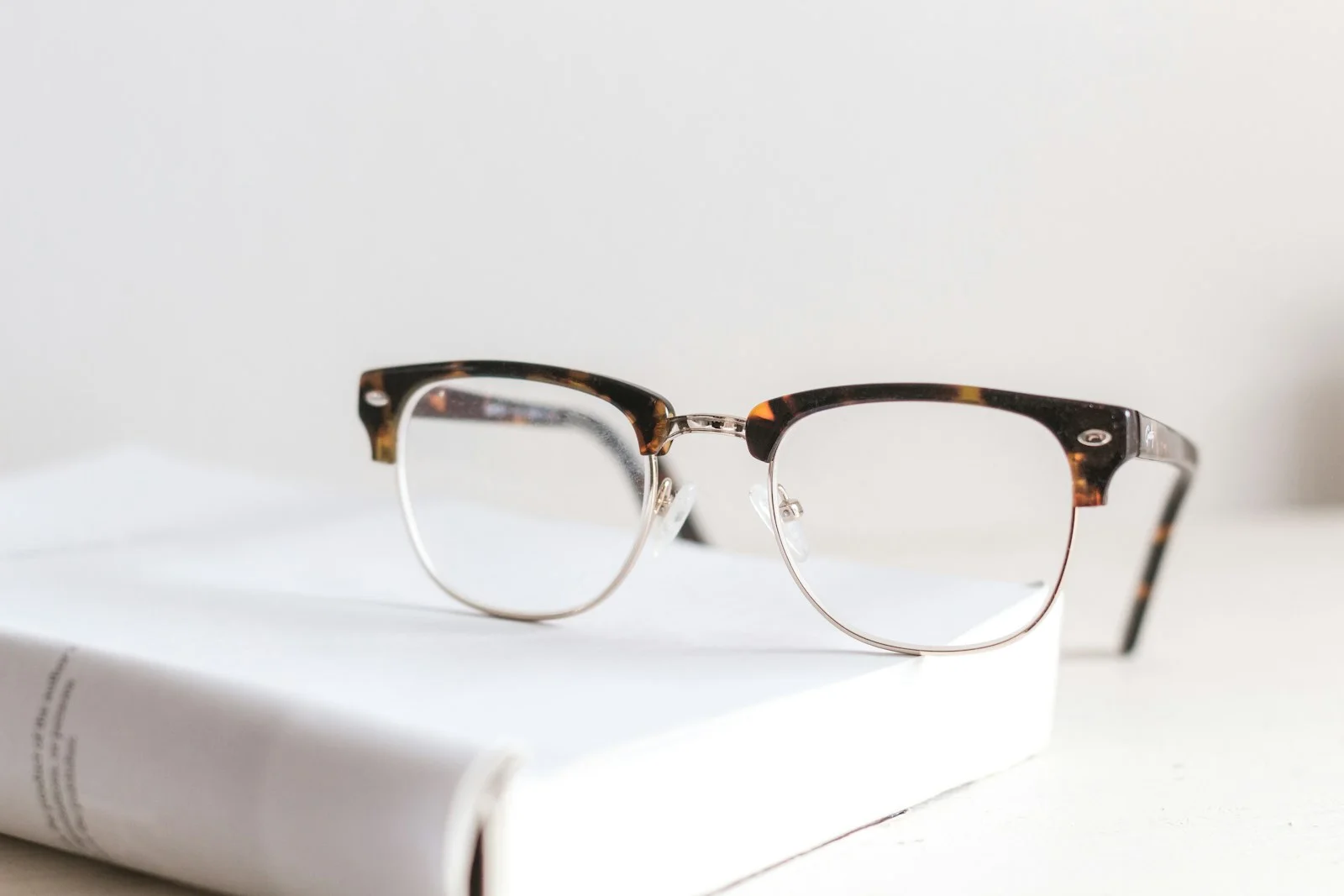
Our reading-glasses guide and sunglasses guide address their separate selection questions. A carrying case cannot establish that either product meets a particular optical or protective need.
Assess the purchase through use
If a new suitable case is chosen, try it through an ordinary day and note whether retrieval and return improved. Keep product information available and follow care directions. Check current retailer conditions directly where an assessment or return is involved.
Our bag guide helps with the wider load. A successful case choice fits both the eyewear's requirements and the actual carrying routine rather than merely matching the outfit's color.
Case-fit questions
Can any case hold the same-size frame? Verify compatibility and support for the actual product. Similar outer dimensions are not the whole decision.
Should the case stay permanently in the bag? Only if the storage conditions and use requirements support that arrangement. Check the actual equipment regularly.
What if the suitable case is too large? Reconsider the bag contents or carrying plan instead of forcing the eyewear into an inappropriate accessory.
A question or correction? Contact the editorial desk.