Some links on this site are affiliate links. If you buy through a marked affiliate link, we may earn a commission at no additional cost to you. This guide is researched editorial advice; purchases should be checked against current retailer terms. Read our disclosure.
Bring a useful pair of reference jeans
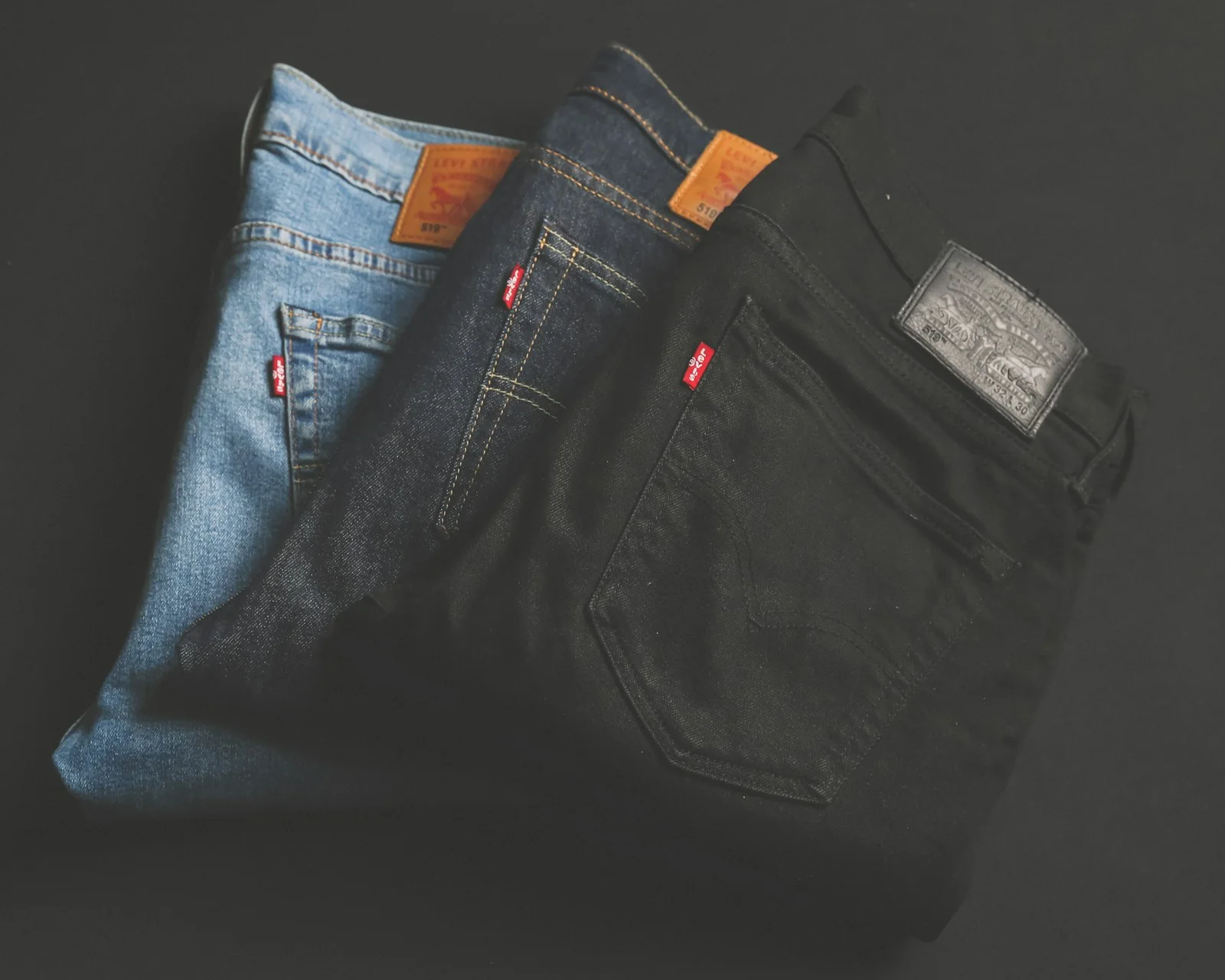
Shopping for jeans becomes easier when you can describe what is wrong with the pair you own. Is the waist loose while the thighs feel tight? Does the rise feel uncomfortable when sitting? Is the hem the only issue? Bring those observations, along with the measurements of a comfortable garment, to the search. A size label varies between brands and cuts; it is a starting point for trying clothes, not a judgement about your body. Choose a few neighbouring sizes if necessary and compare how each behaves.
Wear the underwear and approximate shoes you expect to use with the jeans. A thick shoe sole changes the apparent hem length, and a waistband may sit differently over a tucked top. Give yourself time to try the jeans with an ordinary outfit rather than evaluating them only under fitting-room lighting with an unfamiliar blouse.
Treat rise and waistband as separate questions
Rise describes the distance between the crotch seam and the waistband, but the way it feels also depends on the cut through the seat and hips. A high-rise label does not guarantee that the waistband will sit at your preferred point. Sit down, lean forward and stand again. Notice whether the front digs in, the back slides down or the crotch seam pulls. If several areas feel wrong, trying another cut may be more productive than moving up or down repeatedly in the same style.
A small waist gap can sometimes be altered, but it is worth asking a tailor before buying. Consider the position of pockets, belt loops and the back yoke; taking in the waist can affect them. A belt may work for a minor gap, yet it should not have to bunch several inches of fabric or carry the whole fit. Include alteration cost in the total purchase decision.
Read fabric composition with realistic expectations
Rigid denim and stretch denim offer different experiences. A mostly cotton fabric can feel structured and may soften with wear, while elastane can make movement easier from the start. Neither is automatically superior. Consider whether you want a crisp silhouette, flexible comfort or a balance of both. Fabric weight and weave also matter, so composition alone will not tell you exactly how a pair feels. Check the retailer's description and handle the fabric when you can.
Do not buy painfully tight jeans on the promise that they will become perfect. Some fabrics relax, but the amount is uncertain and laundering can change the feel again. The jeans should allow ordinary movement at purchase. Conversely, a stretchy pair that is already sliding down in the fitting room may become frustrating during a full day. Take a few steps, sit for a minute and check whether the knees and waist return to shape.
Choose a leg shape around your outfits
Straight, tapered, wide and flared legs each create useful proportions, but there is no single shape everyone needs. Start with the footwear you wear most. A wider hem may sit well over boots but drag with a flat trainer; a tapered leg may clear a shoe easily but feel tighter through the calf. Try a longer top and a shorter layer to see which balance you enjoy. The objective is a pair that works with your existing clothes, not one that requires a new shoe collection.
Check the length from the side and back as well as the front. If hemming is necessary, ask whether the original finish can be retained and how the alteration will affect a flare or decorative seam. Wash according to the care label before final alterations if the maker advises it and the purchase is already committed. Do not wash an undecided online order and assume it remains returnable.
Compare cost with maintenance and use
Before paying, inspect seams, the zip, pocket edges and any distressed areas. Deliberate rips may be part of the design, but consider whether their location suits your workplace and whether you are comfortable with further wear. Check the care label for washing and drying instructions, and think about where the jeans will dry at home. A heavy pair that takes days to dry may need a backup if you rely on it throughout the week.
Keep the receipt and follow the retailer's return conditions while making your final decision. At home, try the jeans with three real outfits and repeat the movement checks. If you keep them, follow the garment's care guidance rather than a universal washing rule found online. Repair small problems before they spread when practical. Good value comes from comfortable, repeated wear and manageable care, not from a particular brand name or the lowest price on a sale rail.
Make a considered choice
| Fit issue | Try first | Buying caution |
|---|---|---|
| Waist gap with comfortable hips | Different waist cut or tailor advice | Do not rely on heavy belt bunching |
| Pulling when seated | Alternative rise or seat shape | Do not assume painful tightness will resolve |
| Hem drags with usual shoes | Different inseam or alteration | Include hemming in total cost |
A question or correction? Contact the editorial desk.