Some links on this site are affiliate links. If you buy through a marked affiliate link, we may earn a commission at no additional cost to you. This guide is researched editorial advice; purchases should be checked against current retailer terms. Read our disclosure.
Read the label before the first wash
Two jumpers that look similar can need different care. Fibre blends, construction, trims and dyes all affect the maker's instructions, so start with the garment label rather than a universal rule for wool or cotton. Look for the washing temperature, permitted process, drying symbol and any professional cleaning instruction. If a symbol is unfamiliar, check an established care-symbol guide. A hand-wash symbol and a machine's wool setting are not automatically interchangeable; follow the garment and appliance guidance.
Read the label before buying too. A beautiful pale knit that requires care you cannot realistically provide may be a poor everyday choice. Think about laundry space, drying time and how often the garment will be worn. Choosing a manageable care routine is part of evaluating value, alongside softness, fit and price.
Prepare gently and avoid assumptions
Before cleaning, check for small holes, loose buttons and stains that need attention. Follow the label and an appropriate product's directions when treating a mark; rubbing aggressively can damage a delicate surface. If the garment permits washing, use the recommended process and a suitable detergent. Do not assume that more detergent or a hotter wash will improve the result. Keep colours and fabrics separated where necessary, especially if you do not know how a new garment behaves.
For hand washing where instructed, avoid rough agitation and follow the temperature guidance. Support the garment's weight when lifting it wet. A soaked knit can stretch if held by the shoulders or sleeves. If using a washing machine, check both the garment instructions and the machine programme details. When in doubt about a valuable or unusual piece, seek advice from a reputable cleaner rather than experimenting with a method designed for a different fabric.
Dry with shape and space in mind
Drying is often where a rushed routine becomes a problem. Follow the garment's drying symbols, including whether tumble drying is permitted. If flat drying is required, arrange the knit on a suitable clean surface with airflow and gently restore its intended shape. Avoid placing it against direct heat unless the care guidance specifically allows that treatment. Let it dry fully before folding or storing, even when the next morning's outfit depends on it.
Make room for this step before starting a wash. A small home may need a folding rack or a drying mesh, but choose a product based on available space and weight support rather than buying an elaborate system by default. Measure where it will stand and consider whether it can be stored easily. A second washable layer can reduce pressure to rush a delicate favourite through an unsuitable drying method.
Handle pills and storage carefully
Surface pills can appear through friction, including under bag straps and arms. Their presence does not by itself tell the whole story about quality. If you choose to remove them, use a method appropriate to the fabric and follow the tool's instructions. Work gently and test a discreet area where suitable. A sharp blade or aggressive shaver can cut fibres or catch a loose stitch, so do not treat depilling as a risk-free transformation.
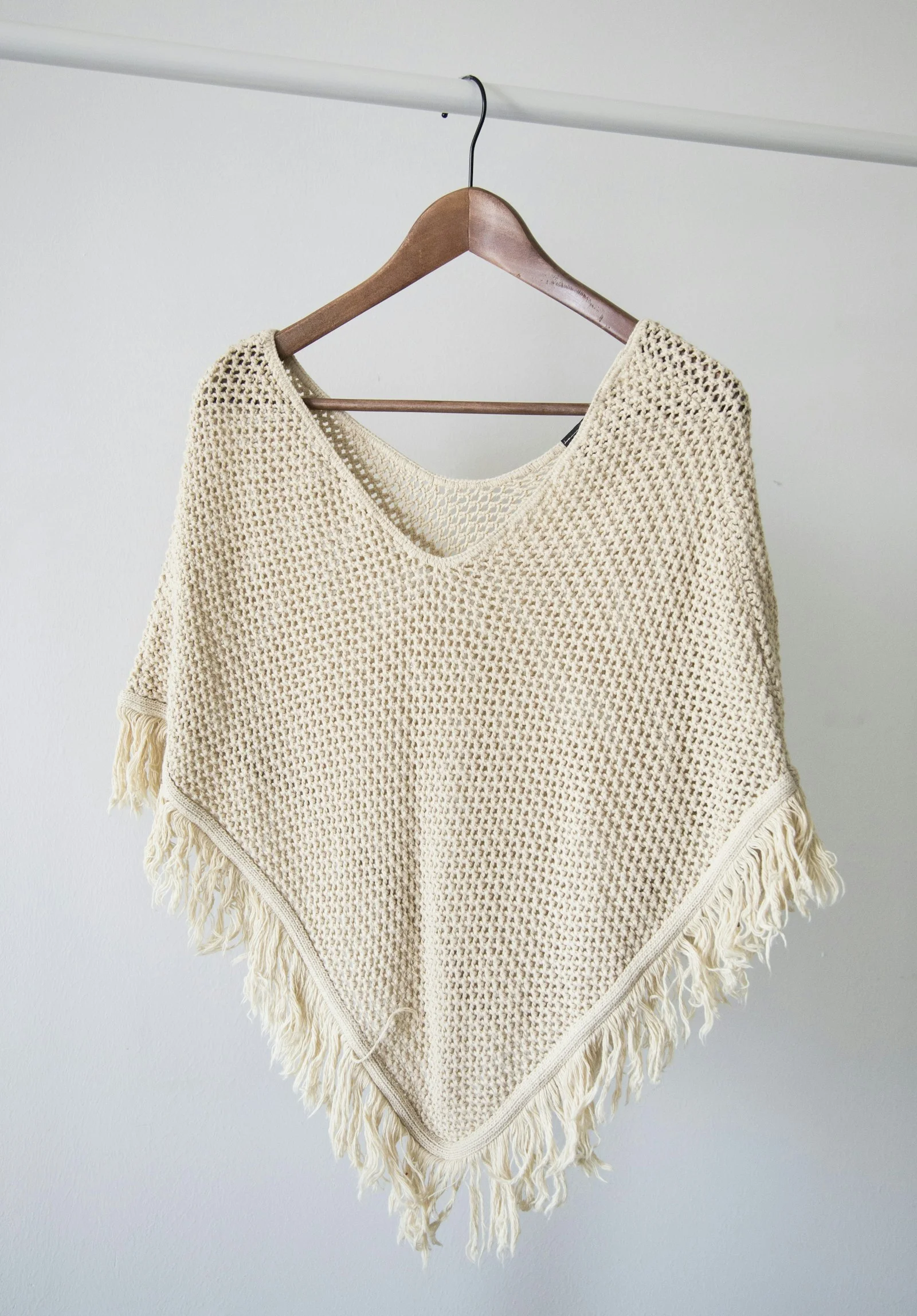
Fold knits that are prone to stretching rather than leaving their weight on narrow hangers. Store them clean and fully dry, with enough room to avoid crushing. Inspect periodically for damage and follow appropriate local guidance if you suspect pests. Do not place a damp or soiled jumper into a sealed storage bag and assume that the bag will protect it. Storage works best after careful preparation.
Buy the knit you will maintain and wear
When shopping, check the neckline, cuffs and seams, then move your arms and sit in the garment. Consider how it fits beneath your coat and whether the texture feels comfortable against your skin. Fibre composition is informative, but it cannot guarantee softness, durability or warmth on its own. Compare the actual fabric and construction where possible. Check the care requirements of any embellishments or mixed materials, which may differ from a plain knit.
For a repairable favourite, get an estimate before replacing it. A small repair may be worthwhile, while extensive damage can make a different decision sensible. Keep basic care notes with your wardrobe planning so the easy-care pieces cover busy weeks and the delicate ones receive the time they need. A manageable knitwear collection is built around actual wear, sensible rotation and label-led care, rather than accumulating several jumpers that all need special attention on the same day.
Make a considered choice
| Situation | First action | Avoid assuming |
|---|---|---|
| Unknown washing symbol | Read a recognised symbol guide | All wool can use one process |
| Wet knit losing shape | Support and dry as instructed | Hanging is always suitable |
| Visible pills | Check fabric and tool guidance | Aggressive shaving is harmless |
A question or correction? Contact the editorial desk.