Some links on this site are affiliate links. If you buy through a marked affiliate link, we may earn a commission at no additional cost to you. This guide is researched editorial advice; purchases should be checked against current retailer terms. Read our disclosure.
Start with a dress that works on its own
Versatility begins with a dress you can wear comfortably without disguising a fit problem. Check the shoulders, neckline, waist and length while moving. Sit down, take a few steps and reach forward. If a wrap opening needs constant attention or a seam pulls whenever you sit, adding a cardigan will not solve the underlying issue. A small alteration may help, but ask what is feasible before spending on accessories intended to rescue a dress you do not enjoy wearing.
Consider your actual calendar. A washable day dress can cover errands, a casual office and lunch if its cut fits those settings. A delicate occasion dress may be less practical for frequent use, even if it can be styled several ways in photographs. Both can have a place; the useful question is which role you need the next purchase to perform.
Change the outer layer, then check proportions
A short cardigan or denim jacket can make a dress feel relaxed, while a cleaner structured layer may suit a meeting or dinner. Try the layers you already own before deciding that a particular jacket is essential. Look at where each hem finishes in relation to the dress waist and skirt. A jacket ending at a full skirt's widest point may create more volume than you want; another length may feel easier. There is no universal flattering point, so use your own preferences.
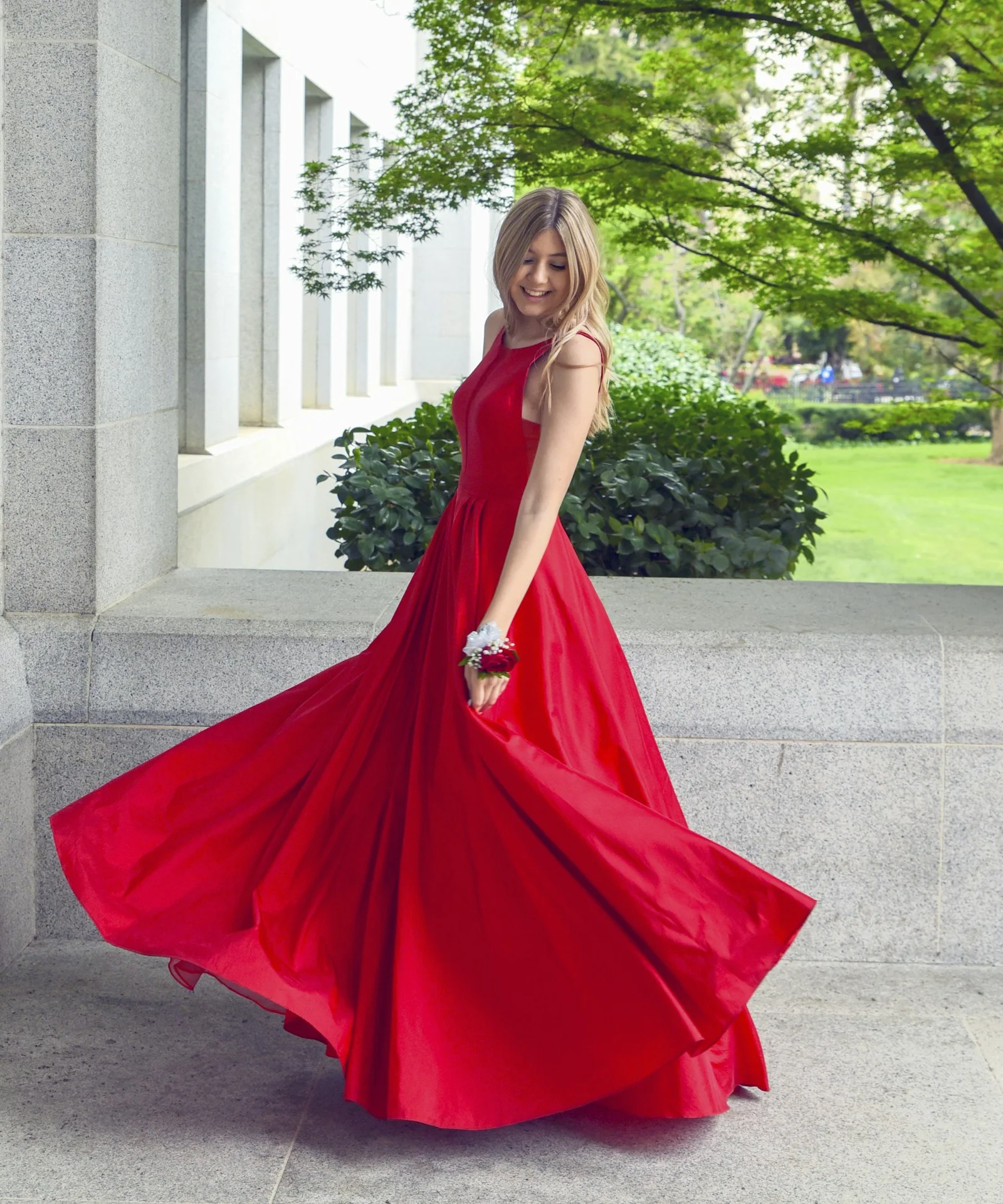
Put the coat on as well. A dress and cardigan can look good indoors but bunch under an outer layer. Check sleeves and shoulder room, and make sure the coat closes if you expect to need it closed. For a longer dress, notice whether the hem brushes the ground on stairs. This is especially relevant when swapping a heel for a flat shoe.
Let footwear reflect the route
A change of shoes can shift the mood of a dress without changing much else. Trainers, loafers, sandals and boots each bring different practical benefits, depending on the dress and setting. Start with the route and conditions rather than a styling rule. A long walk on uneven paving asks more of a shoe than a short taxi journey. Try the dress with your preferred comfortable shoes and check that the hem has enough clearance.
If buying footwear specifically for the dress, ask how else you would wear it. A pair that works with trousers and another skirt may earn more use than an occasion-only option. Read material and care information, compare sizing guidance and follow the retailer's conditions when trying shoes at home. Do not assume an uncomfortable fit will become suitable merely because the colour coordinates beautifully.
Use accessories to change emphasis
A belt can define a waist or shorten the apparent length of a loose dress, but it should not make breathing or sitting uncomfortable. Try a belt you already own and adjust the fabric gently above it. Check whether it stays in place when you walk. A scarf, necklace or earrings can also change the emphasis without requiring several additions at once. Pick one element to lead if you prefer a quieter combination.
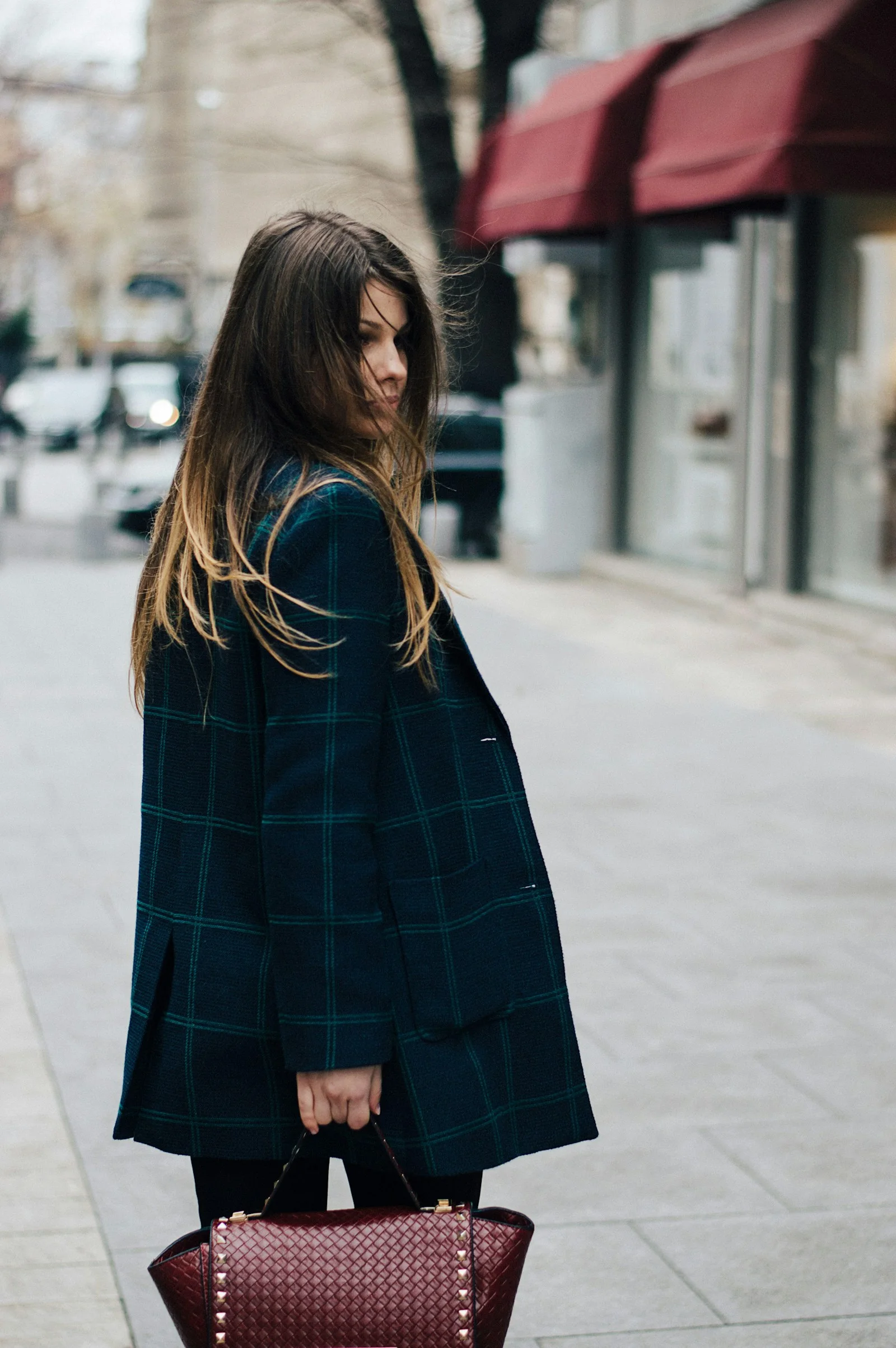
A bag changes how the outfit functions as well as how it looks. A compact bag may work for dinner, while a larger structured bag could suit a working day. Make sure the strap does not catch delicate fabric or pull at a wrap neckline. If the dress is patterned, accessories can repeat a less obvious colour from the print rather than trying to match the dominant shade exactly.
Evaluate the whole cost before buying another dress
When considering a new dress, build three realistic outfits in your mind using clothes and shoes you own. If you cannot, decide whether the missing pieces are worthwhile purchases in their own right. Include special underwear, alterations, cleaning and accessories in the total cost. Pockets and a lining may improve convenience, but inspect how they sit rather than treating their presence as an automatic quality guarantee. Read the care label before committing.
Once you have a versatile combination, photograph it and note the weather or setting it suits. Repeat it without feeling obliged to reinvent the dress every time. Rotate and care for it according to the fabric's instructions, and address small repairs before the next event. The goal is to expand useful wear from a piece you like, with styling changes that support your day rather than create more preparation.
Make a considered choice
| Desired change | Try with existing pieces | Before buying |
|---|---|---|
| More relaxed | Cardigan or denim jacket | Check sleeves under your coat |
| Suitable for walking | Comfortable route-appropriate shoes | Check hem clearance |
| More definition | Belt or focused accessory | Sit and move comfortably |
A question or correction? Contact the editorial desk.