Some links on this site are affiliate links. If you buy through a marked affiliate link, we may earn a commission at no additional cost to you. This guide is researched editorial advice; purchases should be checked against current retailer terms. Read our disclosure.
Choose a real daytime plan
A black dress may serve a daytime outing when the actual garment and the person's needs fit the activity. Begin with that practical question rather than assuming black automatically belongs to evening. Try the retained dress with suitable familiar shoes and a layer appropriate to the real plan.
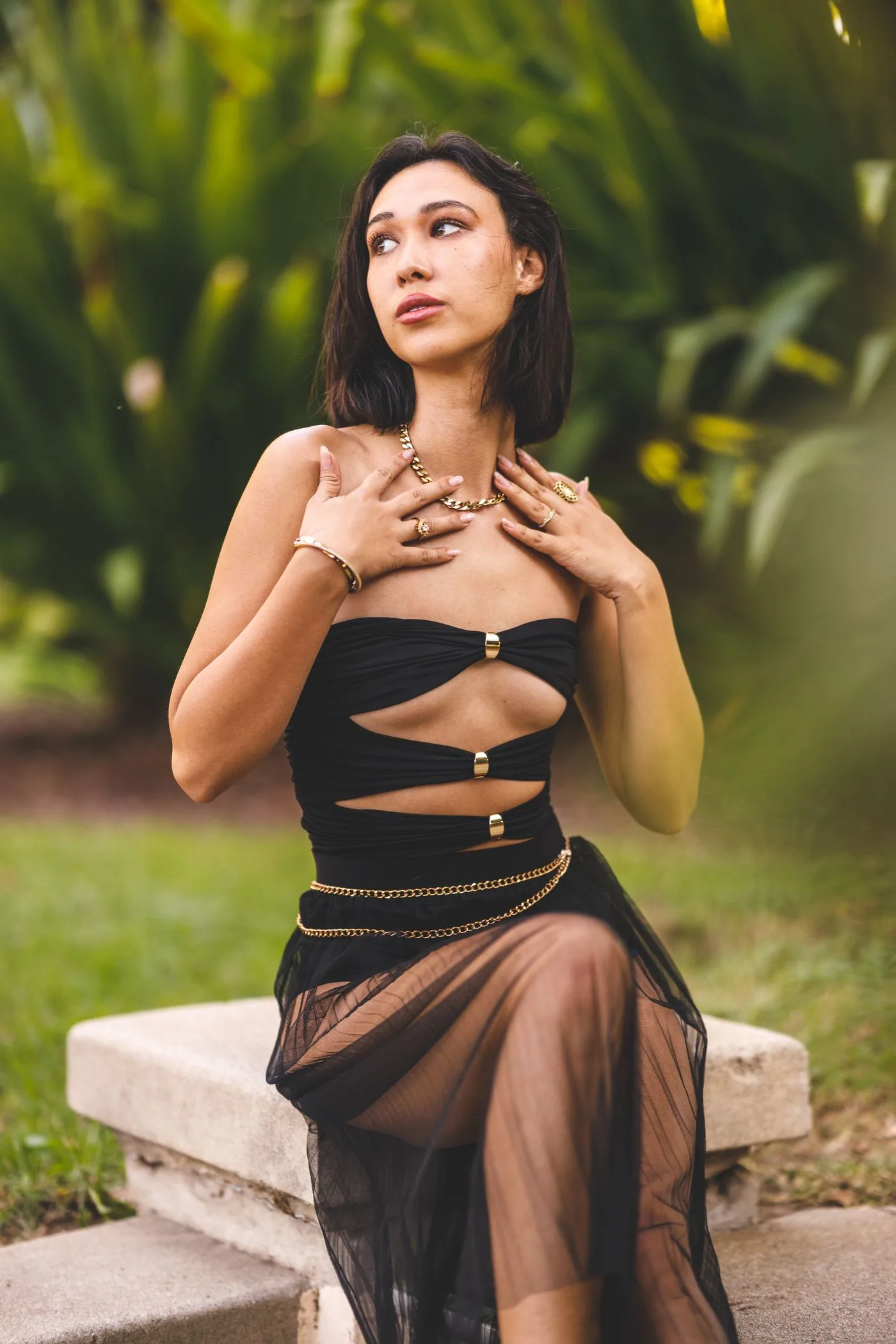
The garden photograph is an illustrative styling scene, not evidence about a particular product's construction or suitability. Keep the actual garment information and ordinary use central throughout the comparison.
Select the bag for its contents
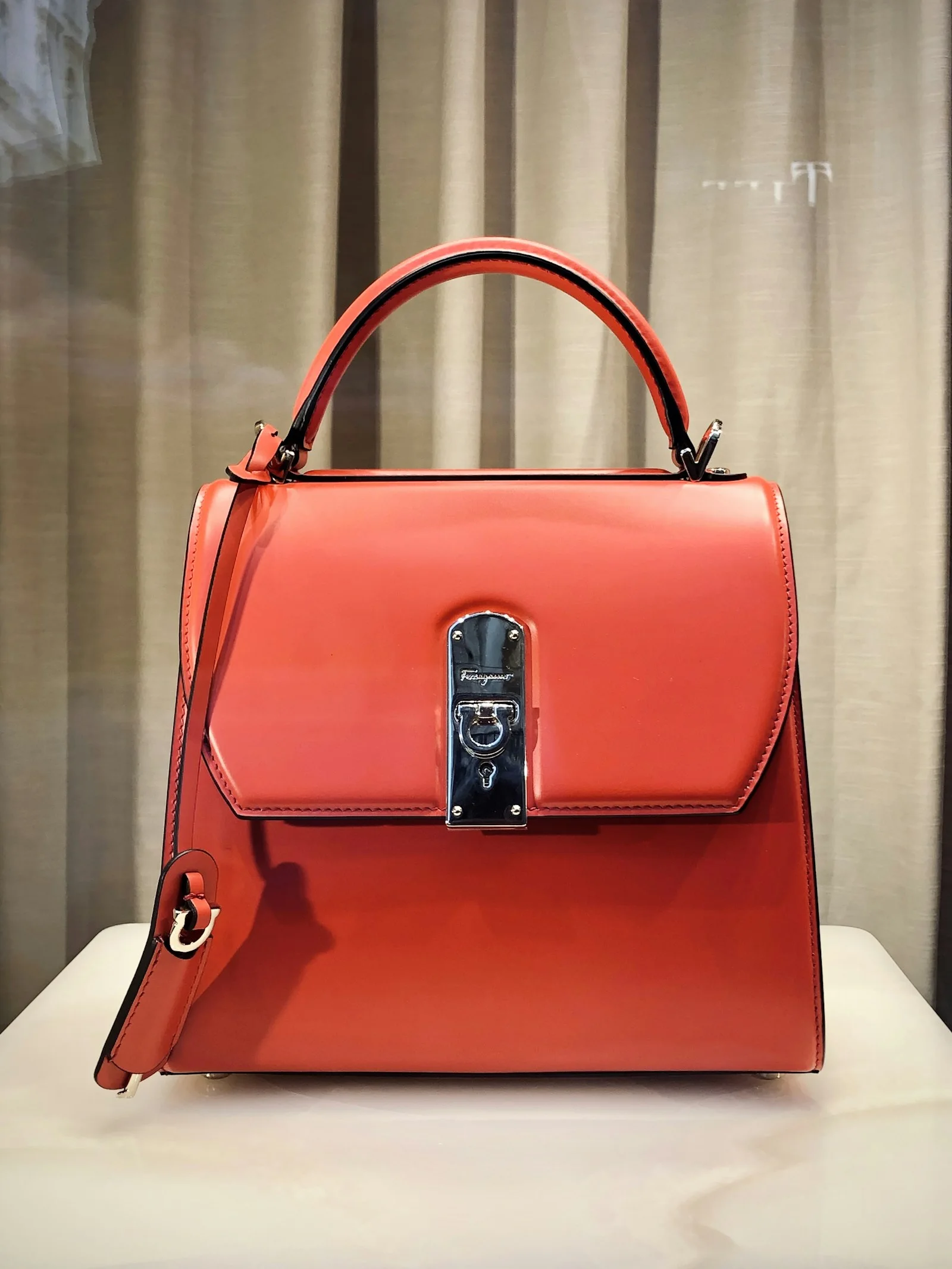
Choose an appropriate retained bag around the required items before considering a new colour accent. A visually relaxed bag can change the outfit's appearance, but it still needs to accommodate the actual glasses case and other essentials through its intended use.
Our everyday bag guide starts with this contents check. Keep that order so the accessory has a real role rather than merely signalling that the outfit is meant for daylight.
Compare one familiar visual detail
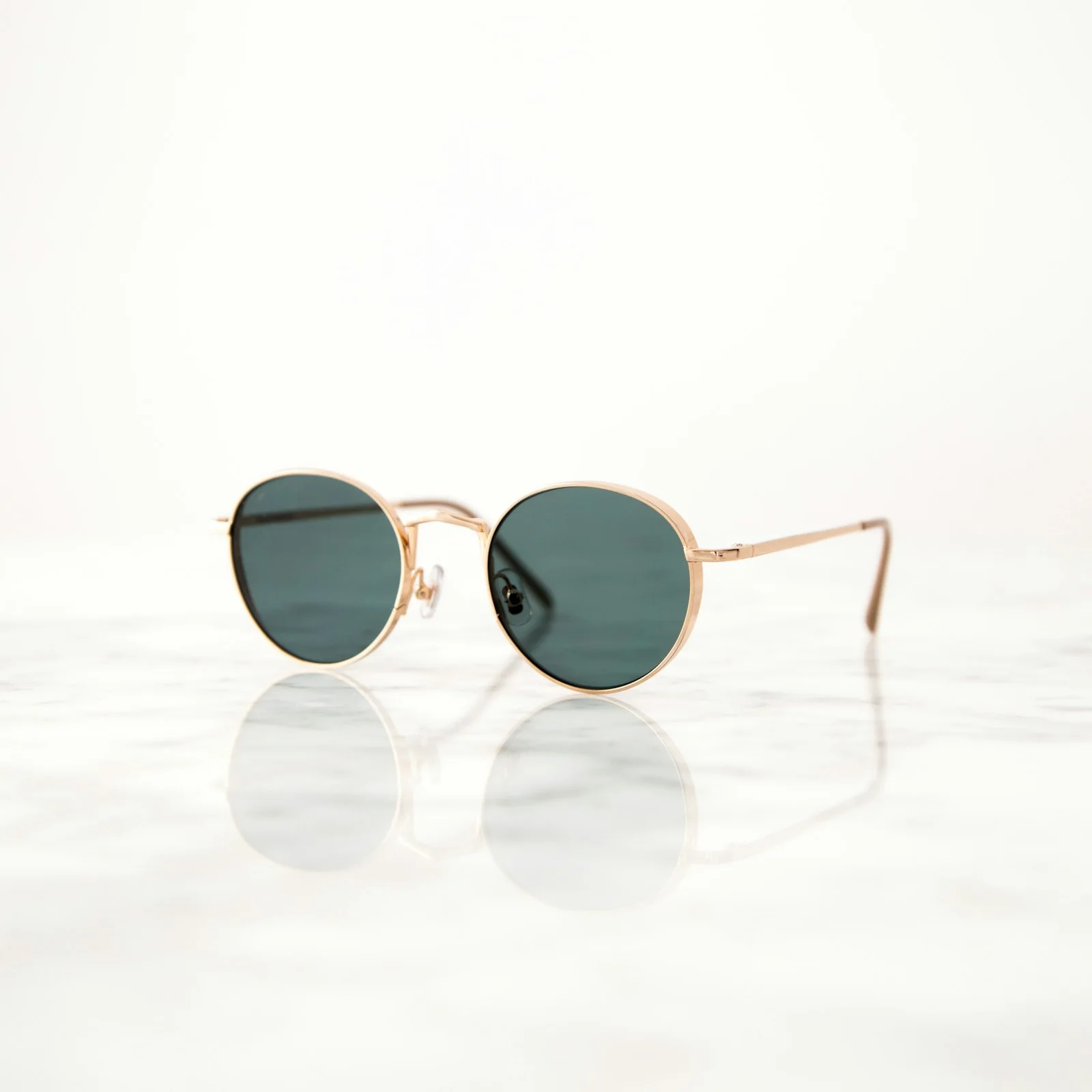
Try a small retained accessory that you genuinely enjoy with the dress. It may introduce a lighter tone, a familiar texture or a modest piece of jewellery. Keep the rest of the outfit steady while deciding whether that detail contributes the amount of contrast you want.
There is no obligation to add a bright colour. A quiet combination can remain deliberate, and a personal preference does not need to be justified through a universal rule about what a black outfit lacks.
Look at the outfit in relevant light
Compare the actual pieces together in ordinary daytime light where appropriate. A saved indoor photograph can alter how dark fabrics and small metallic details appear. Use the complete view rather than assuming a close accessory image establishes the relationship with the whole dress.
The small jewellery guide keeps actual wearing habits central. Choose a piece because it serves this outfit and preference, not because every dress supposedly needs a necklace.
Keep the useful daylight version
Record the specific dress, suitable shoes, bag and optional detail if the combination serves the outing. That clear reminder distinguishes the daytime arrangement from another version using the same dress. Keep the note small enough to be useful when preparing rather than turning it into a collection of theoretical outfits.
What if the dress still feels too formal for the plan? Choose another appropriate retained outfit instead of adding more casual accessories in hope of changing its construction. What if the quiet version feels best? Keep it without buying a contrast merely to satisfy an imagined rule. A considered daytime black-dress outfit follows real use and lets familiar accessories contribute only where they have a purpose.
Return the pieces through their own care routines after use. The outfit idea and the actual ready state of each component remain separate responsibilities.
A question or correction? Contact the editorial desk.