Some links on this site are affiliate links. If you buy through a marked affiliate link, we may earn a commission at no additional cost to you. This guide is researched editorial advice; purchases should be checked against current retailer terms. Read our disclosure.
Name the active period clearly
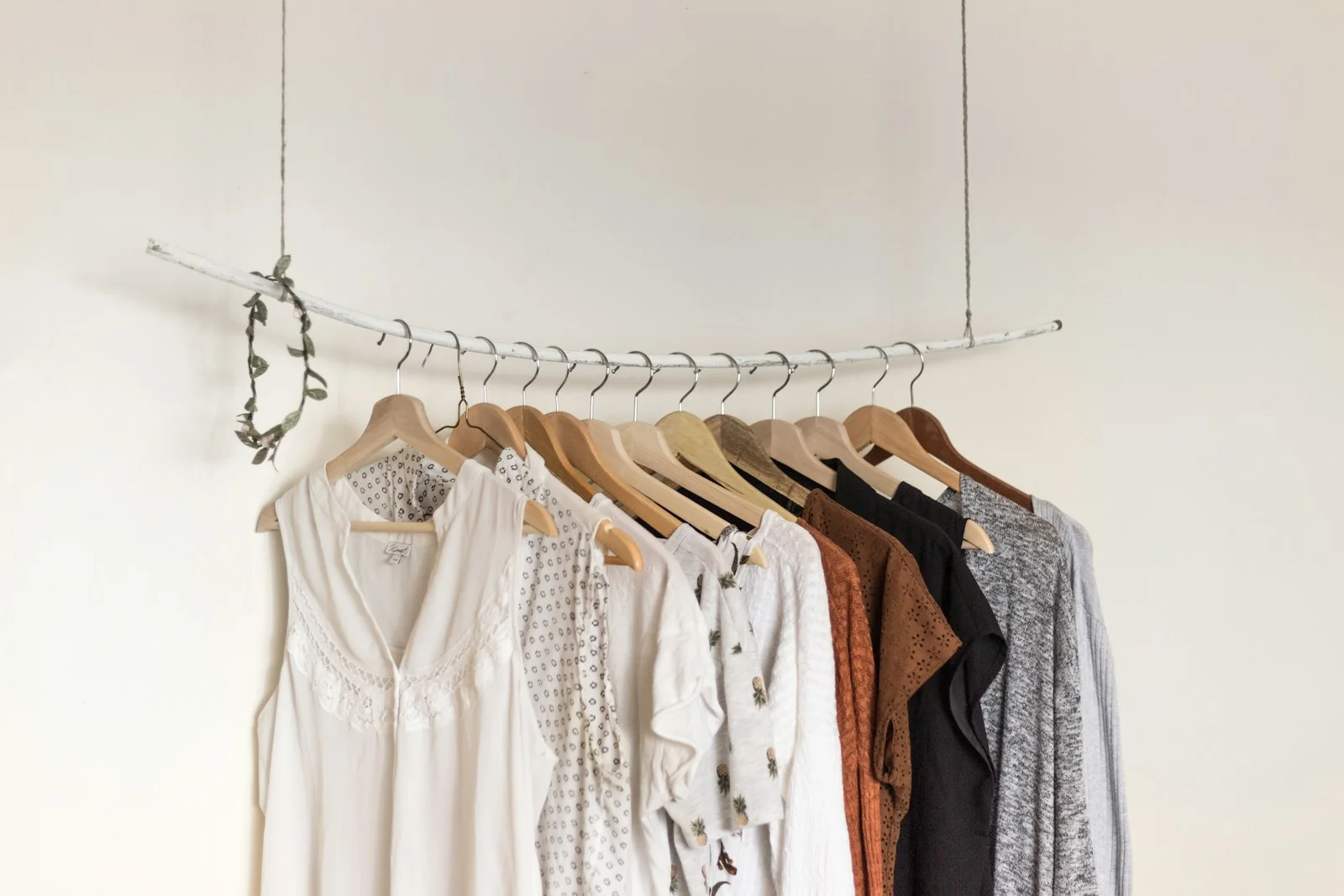
A clothing rail can become easier to use when its purpose is the current season's real activities rather than every garment that happens to fit. Begin by naming the ordinary plans it needs to serve. Keep the relevant conditions and each garment's actual storage requirements central.
Seasonal organisation does not require discarding clothes that belong to another part of the year. It separates current choices from other suitable stored pieces so morning decisions become more understandable.
Keep a realistic active group
Choose retained garments that serve the actual week and are ready through their own care routines. Include the necessary variety for real work, weekends and other plans rather than arranging a rail around one attractive colour theme alone.
Our actual-week wardrobe guide starts with those activities. Use that order before assigning a fixed garment count or buying pieces to make an arbitrary number look complete.
Give uncertainty a separate next action
An item needing care, fit advice or a product question should have a clear appropriate destination and next step. Do not place it among ready choices merely to preserve a symmetrical display. A rail can look full while offering fewer usable outfits than it appears to contain.
The next-action care guide helps distinguish these stages. Keep the actual garment instructions with the piece; a household label does not replace the care information.
Respect the storage arrangement
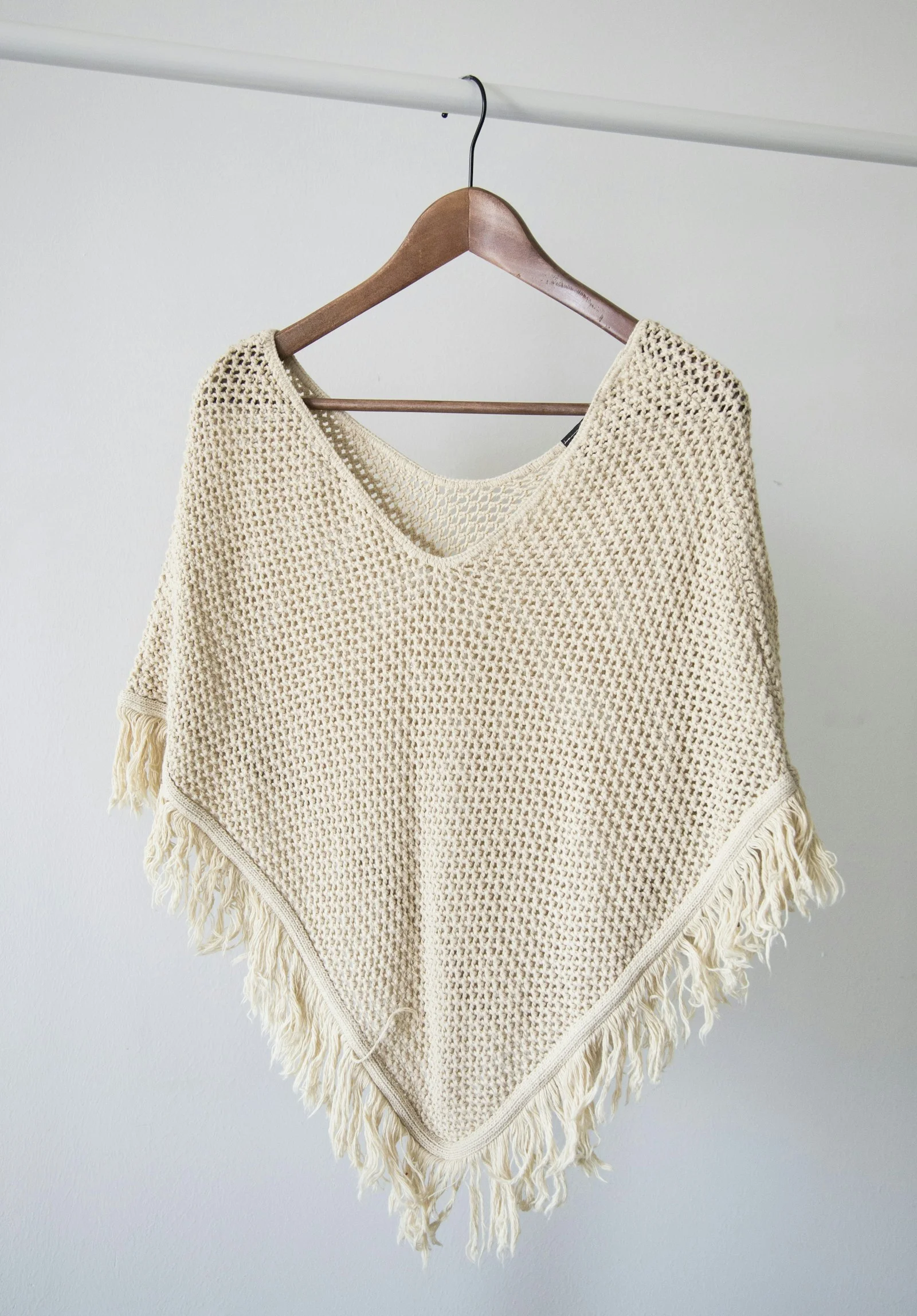
Follow the rail and garment requirements when selecting hangers and placing the active group. Leave the arrangement appropriate for the actual products rather than squeezing in another row to avoid a decision. If a garment requires another form of storage, give it a suitable place without forcing it onto the rail.
Where the wardrobe is shared, explain which group is current and how pieces return. Another adult should not have to interpret a private order based only on colour or the direction of the hangers.
Review when activities actually change
Revisit the rail when the real week changes, not merely because a calendar date suggests a decorative seasonal refresh. Bring appropriate stored pieces forward through their actual requirements and give outgoing garments suitable care and storage. The change should preserve useful clothes rather than generate an automatic shopping list.
What if the active group still feels confusing? Identify a specific missing outfit relationship before adding more garments. What if a piece belongs to several seasons? Keep it where its current role is clearest without pretending the category must be permanent. A considered clothing rail makes the present choices readable while preserving the rest of the wardrobe responsibly.
Keep a modest note of genuine unresolved gaps and the plans they affect. That context helps distinguish a real clothing need from a colour that merely looks absent in the display.
A question or correction? Contact the editorial desk.