Some links on this site are affiliate links. If you buy through a marked affiliate link, we may earn a commission at no additional cost to you. This guide is researched editorial advice; purchases should be checked against current retailer terms. Read our disclosure.
Begin with the complete proposed outfit
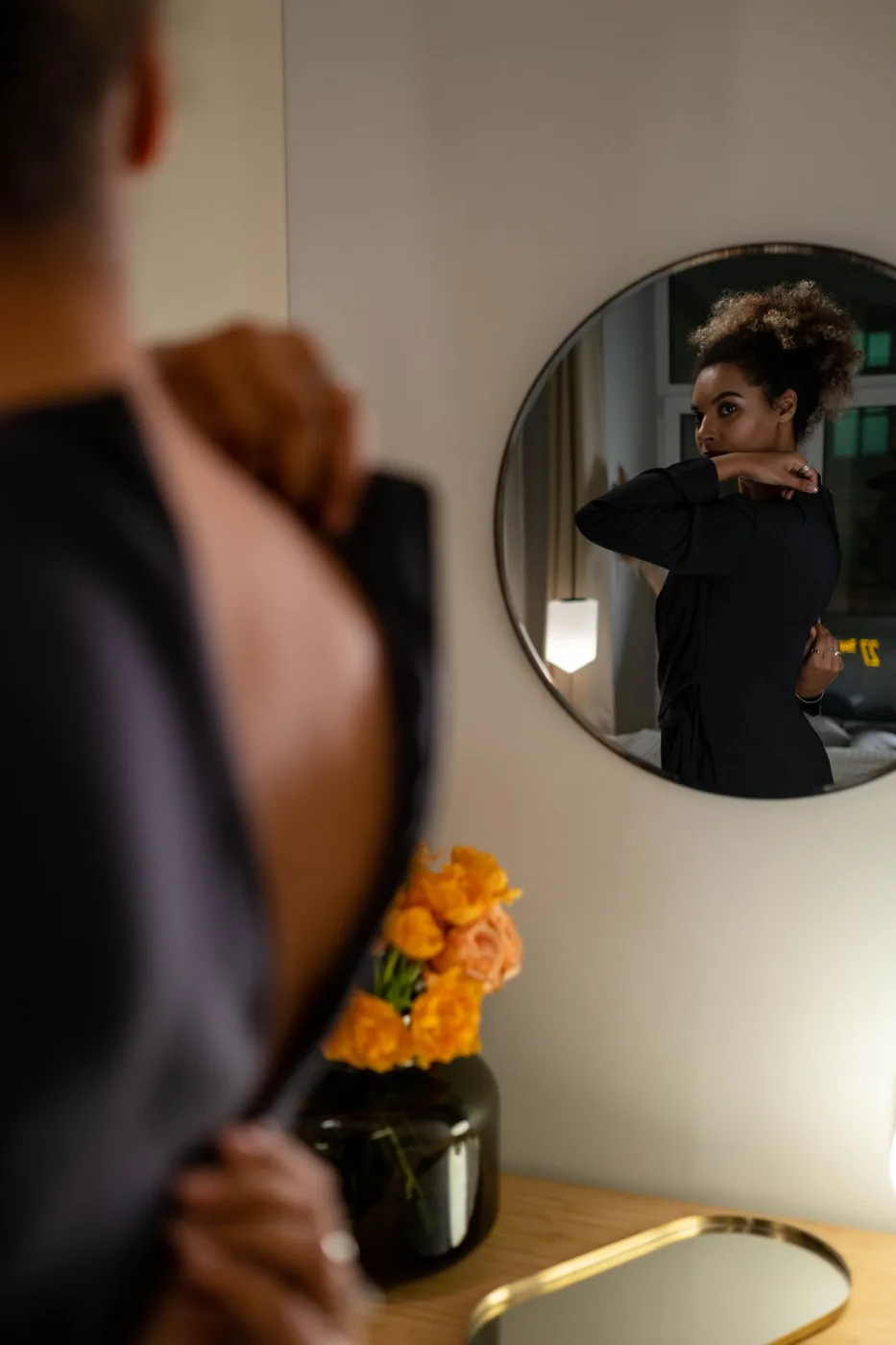
A mirror comparison is more useful when it includes the actual dress, suitable shoes and relevant layer for the plan. Looking at the dress alone can leave questions about its relationship with the other pieces unanswered. Prepare one real outfit before changing several details.
Treat the mirror as a visual reference rather than a judgement of the person's body. The decision concerns which retained clothes suit a preference and activity, not whether someone must conform to a particular fashionable proportion.
Choose one question to answer
Name the uncertainty precisely: perhaps the jacket hides a neckline, the bag introduces an unwanted contrast or the dress detail feels too busy beside a necklace. A specific question gives the comparison a useful ending instead of inviting an unlimited sequence of outfit changes.
Our dress and necklace trial demonstrates a modest single-change approach. Keep that scale even when the dress itself has several decorative elements.
Look beyond a close crop
Use an appropriate full view to notice how the clothes relate together. A close image of a cuff or fastening can help with a particular detail, but it cannot describe the complete outline. Compare like with like rather than choosing between photographs taken at unrelated distances.
Ordinary camera images may alter colour and perspective. Keep any private reference photograph proportionate to the task, and use the actual clothes in relevant light when a subtle relationship matters.
Include ordinary appropriate movement
Consider the activity the outfit is intended to serve, within the person's needs and the garments' actual requirements. A still mirror view cannot establish every aspect of comfort or fit. If an unresolved garment question needs suitable assistance, seek it rather than expecting an accessory change to answer it.
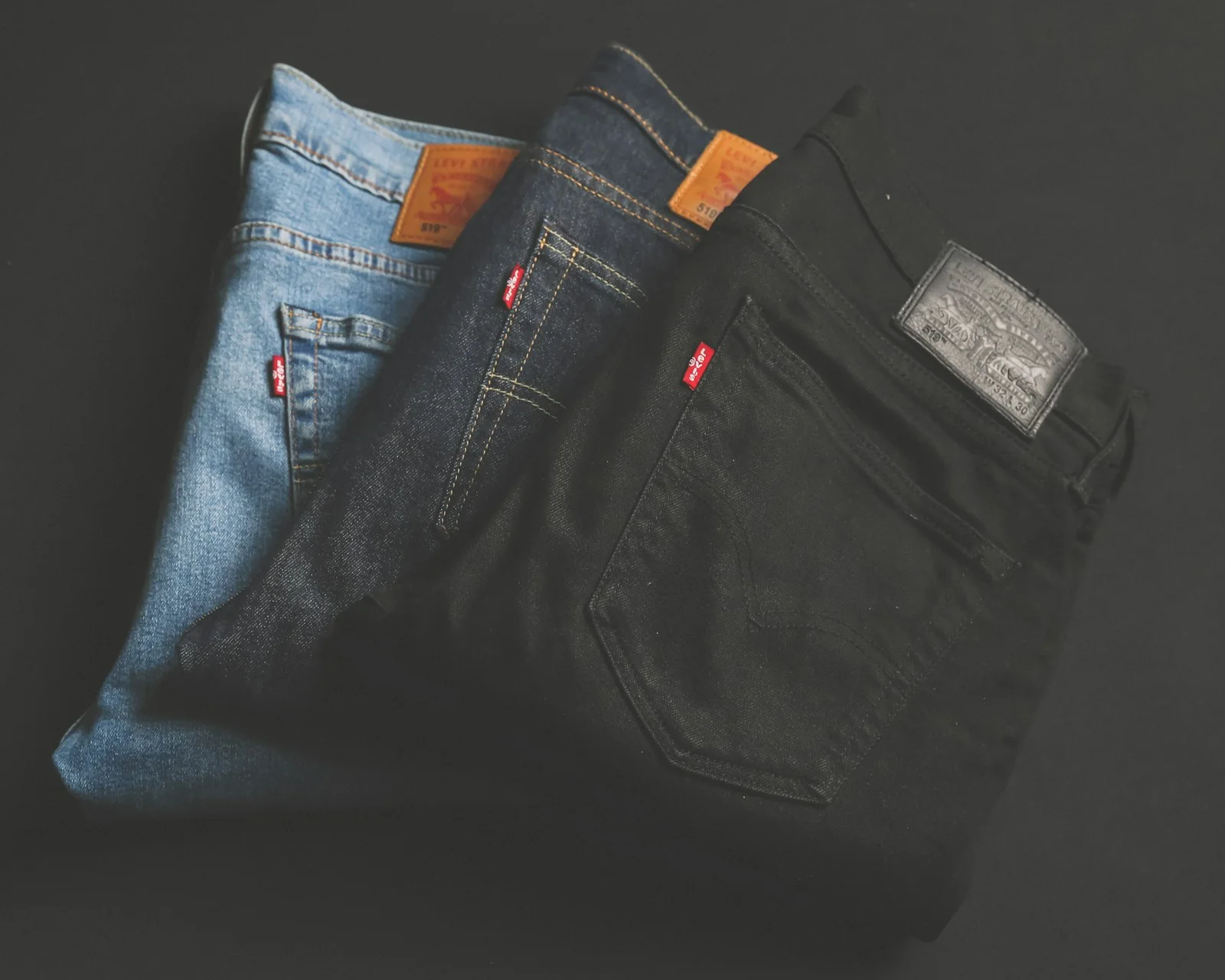
The fit comparison guide concerns jeans, but its attention to real use is a useful reminder that clothing choices extend beyond one stationary view.
Finish the comparison deliberately
Select the suitable arrangement that answers the original question, or decide that another retained outfit serves the plan better. Keep the successful combination easy to identify and return unrelated alternatives to their appropriate places. The exercise should leave a clearer wardrobe decision rather than a room full of competing possibilities.
What if every photograph seems different? Compare the actual outfit consistently instead of repeatedly changing camera position. What if the initial question disappears after a different layer is chosen? Record that concrete change and stop. A full-outfit mirror review is useful when it resolves one real clothing decision with respect for the person wearing the clothes.
Make the final note describe the pieces and occasion. It should preserve what the comparison established, without turning a personal preference into a universal rule about how a dress must be worn.
A question or correction? Contact the editorial desk.