Some links on this site are affiliate links. If you buy through a marked affiliate link, we may earn a commission at no additional cost to you. This guide is researched editorial advice; purchases should be checked against current retailer terms. Read our disclosure.
Begin with the actual return destinations
Folded clothing can look complete while its next destination remains unclear. Name the particular group in the handover, such as ready tops returning to the agreed shelf. That concrete description is clearer than a general instruction to put the washing away. Start with the actual garments, their care stages and the appropriate household recipients or storage places. Keep each product's requirements central rather than assuming a neat fold establishes that the item is ready to return.
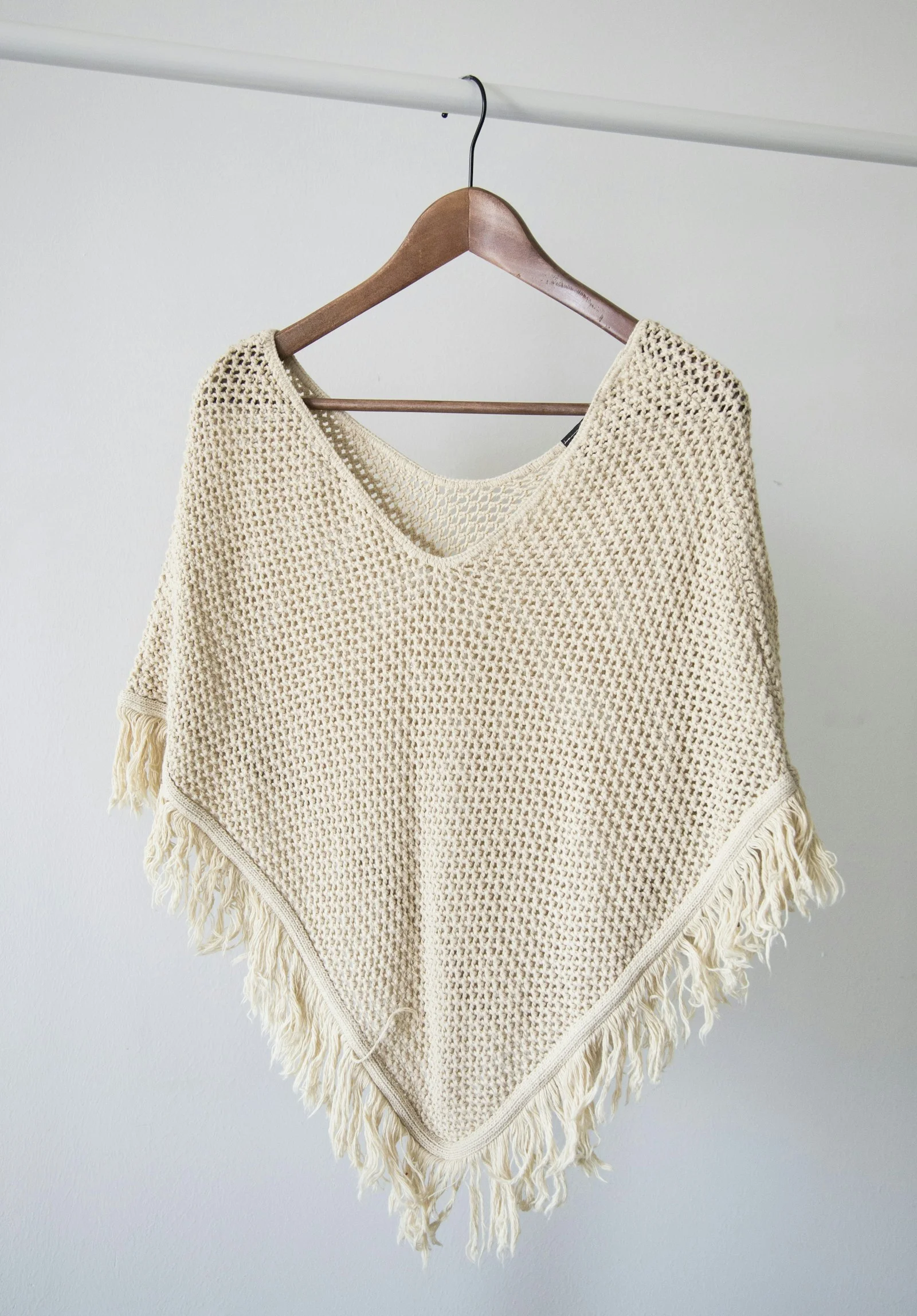
The photograph illustrates an ordinary clothing task at home. It does not prescribe a universal folding method or claim that every textile belongs in the same type of stored group.
Separate readiness from sorting
Confirm the actual stage of the relevant garments through their guidance. Keep items needing attention distinct and identify the next action clearly. Sorting by recipient should not hide an unfinished care question inside an otherwise ready pile.
Our next-action care guide makes those stages legible. Use that distinction before organising the completed group by its actual destination.
Choose a modest grouping method
Make each ready group understandable to the people who appropriately handle it. A temporary suitable position or clear small reference can be enough; physical labels on unfamiliar fabric are not automatically appropriate. Keep private belongings handled responsibly and avoid guessing ownership from a similar colour alone.
If two garments are difficult to distinguish, resolve their actual identity before returning them. A visually symmetrical pile is less useful than an accurate handover that another adult can understand without reconstructing the sorting conversation.
Keep the destination suitable
Follow the garment and furniture information when returning each group. A recipient's usual drawer may not be the appropriate destination for every construction or textile. Do not force a folded arrangement simply because the rest of the household's clothing is stored that way.
The shared care handover guide keeps responsibilities clear. Explain the relevant stage and destination where the task passes between people instead of assuming that folded appearance communicates the whole process.
Close the handover explicitly
Once the suitable group reaches its actual destination, remove temporary reminders that no longer have a role. Keep any unresolved garment question with the correct item and responsible person. The task's ending should reflect what actually happened rather than the disappearance of the pile from a shared surface.
What if one recipient's destination is unclear? Agree it appropriately instead of assigning a new permanent storage place without discussion. What if the pile repeatedly accumulates? Identify the missing step before purchasing another basket. A considered folded-clothing return makes readiness, identity and destination separate clear responsibilities.
Review the arrangement when household routines or storage requirements change. A familiar grouping method may need a modest adjustment, but it should remain tied to the real garments rather than become a system maintained only for its own appearance.
A question or correction? Contact the editorial desk.