Some links on this site are affiliate links. If you buy through a marked affiliate link, we may earn a commission at no additional cost to you. This guide is researched editorial advice; purchases should be checked against current retailer terms. Read our disclosure.
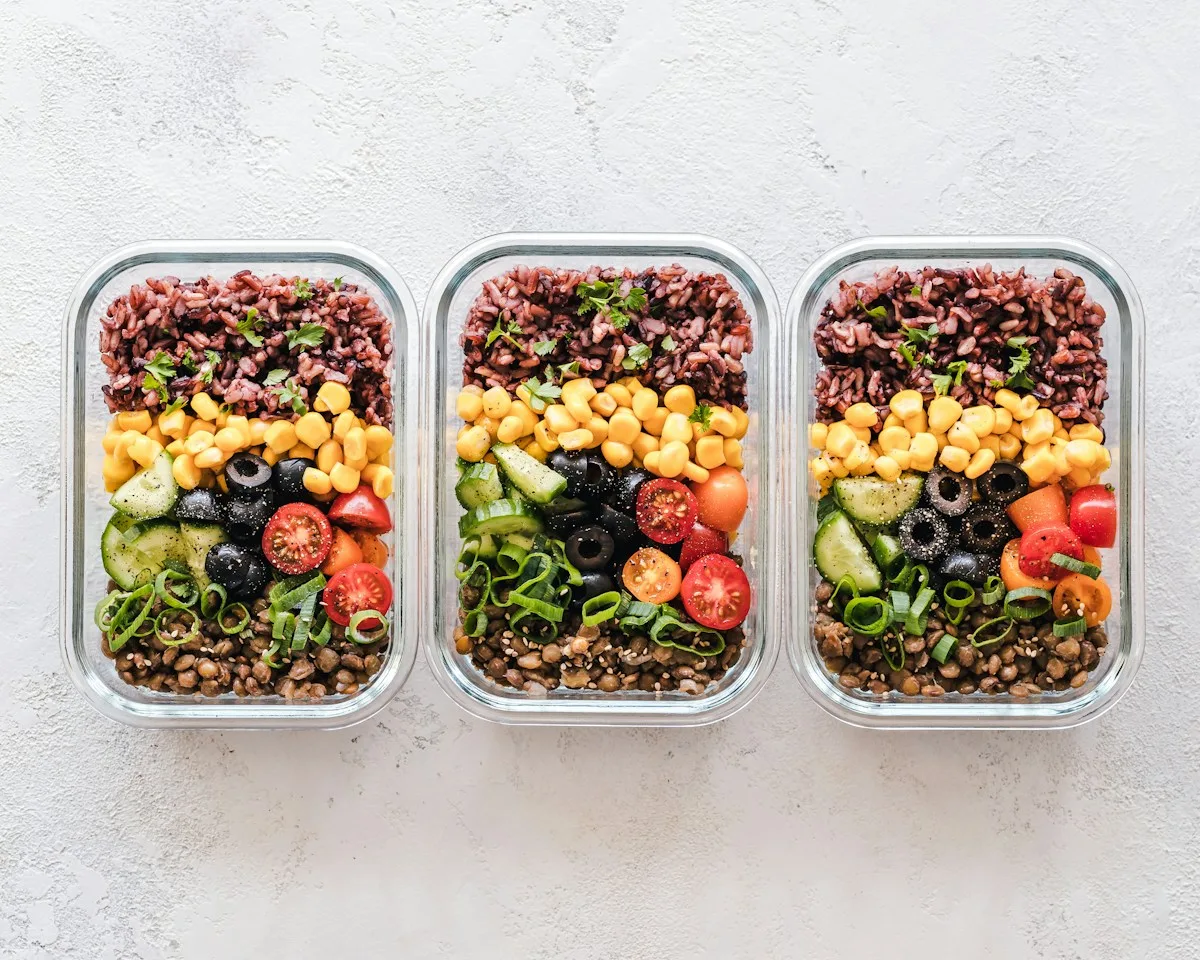
Food boxes are often compared while filled or neatly nested. Their lids can create a separate space problem after use. Check how the complete group is cleaned, dried and returned before choosing another matching set for the household.
Count verified pairs
Match each container with the correct lid using its product information where needed. Similar appearance does not establish an interchangeable fit. Keep an uncertain pairing out of the ready group until the identity is clear.
Check intended uses and care instructions for the actual product. A box suitable for one storage task may not suit every heating or transport role. The lid and any associated components may also have requirements different from the base.
Lay out the care group
Identify which pieces need attention after a typical meal. Include detachable parts rather than counting only the largest visible lid. Follow the supplied cleaning and handling information and keep small components in an appropriate identifiable position.
Do not let the complete set disappear into a mixed pile where parts become difficult to distinguish. A simple defined group during care can be more useful than several new organisers added later to solve an identification problem.
Compare the drying footprint
Use the appropriate drying arrangement for the product and notice how much space the lids occupy. A broad flat lid may require a different position from a deep box. Include rims or details that can retain moisture according to the actual construction.
Let the pieces reach their suitable ready condition before closing or stacking them for storage. A compact nested appearance should not conceal damp or unfinished care. Keep the next user's understanding of readiness as clear as the current user's.
Measure the complete stored group
Compare the empty boxes and lids together in the actual cupboard. A set may nest efficiently without its lids while creating an awkward separate stack. Include the space for identifying and lifting the matching lid without emptying the whole group. Try taking out the size normally used for lunch, then return it through the same cupboard opening before judging the arrangement complete.
Choose quantity around the household's ordinary cycle of meals, care and return. A large coordinated assortment may offer more sizes than the current plan needs. A smaller compatible group can be easier to keep complete and ready.
After several uses, record the repeated difficulty before buying a replacement: a missing small part, a lid that occupies the whole drying area or a storage stack that hides the wanted size. Address that specific issue. A practical food-container set works when its lids are empty and being cared for as well as when its boxes make an attractive row of prepared meals.
Related reading
Return a Pantry Jar With Its Label Facing the Working View, Give a Small Kitchen One Clear Preparation Board Zone.
A question or correction? Contact the editorial desk.