Some links on this site are affiliate links. If you buy through a marked affiliate link, we may earn a commission at no additional cost to you. This guide is researched editorial advice; purchases should be checked against current retailer terms. Read our disclosure.
Write the real missed outfit
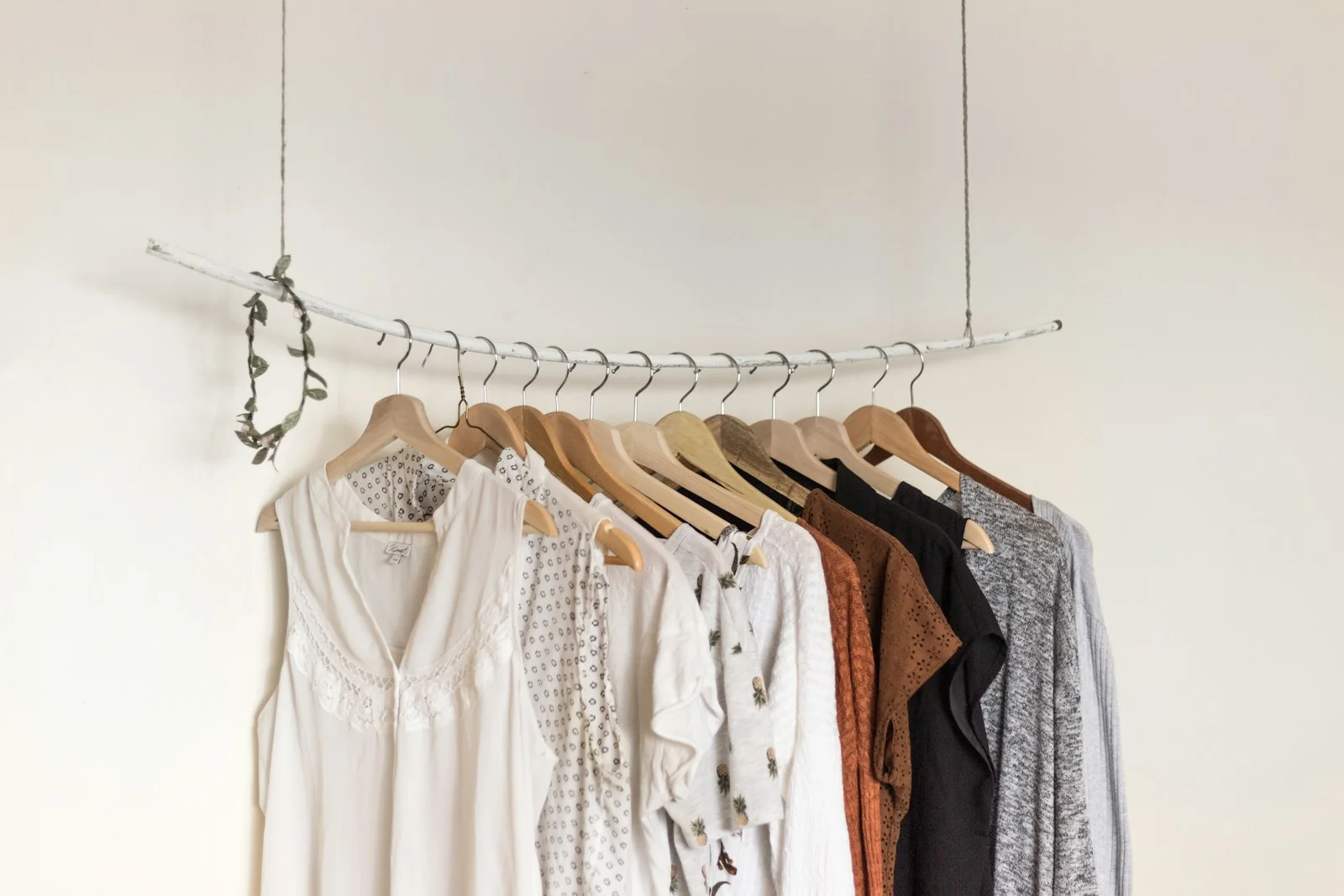
A clothing gap is clearer when it is described through a real plan the wardrobe could not appropriately serve. Before browsing, write down that activity and the suitable retained pieces already available. Identify which specific requirement remains unmet rather than beginning with a broad wish for more options.
The notebook photograph illustrates a planning moment, not a claim that a particular personal shopping method has been tested. Use the note as a modest decision aid tailored to the person's actual circumstances.
Check the retained alternatives
Look for a suitable combination already owned and ready through its actual care stages. A garment awaiting attention may explain the apparent gap without requiring another purchase. Keep genuine condition, fit or care questions separate from a wish for a different colour.
Our actual-week wardrobe guide begins with real activities. Use that order to distinguish an ordinary clothing need from an attractive product that has no clear role in the current week.
Make the requirement specific enough
Describe the relevant function and constraints without inventing product specifications you have not checked. A useful note might identify the actual outfit it must join, the person's needs and the intended activity. A vague phrase such as a better jacket leaves too many unrelated possibilities open.
Keep any unresolved question visible. If suitability depends on product guidance or appropriate expertise, obtain that information rather than assuming that a familiar category name answers the requirement.
Set a comparison boundary
Choose a modest set of appropriate options and compare them through their actual information. Keep the proposed purchase connected to the same real gap instead of allowing each listing to create another imagined need. Check relevant purchasing terms where they affect the decision.
The reference outfit shopping guide keeps retained clothes visible during a comparison. Naming the actual base outfit can make it easier to judge whether the proposed item fills the gap or merely looks appealing alone.
Record the decision rather than endless candidates
Once a suitable choice or retained solution is found, close the note with the specific outcome. If no appropriate option serves the requirement, keep that honest result rather than buying the nearest visual match. The purpose is a clear clothing decision, not a growing catalogue of products.
What if the original activity no longer matters? Reconsider whether the gap still exists. What if another wardrobe issue emerges? Give it a separate clear question instead of expanding this note indefinitely. A considered clothing-gap record turns browsing into a bounded comparison grounded in real life.
Review the note after the actual plan has been served. Preserve useful product information, but remove obsolete candidate lists so an old shopping exercise does not keep generating an assumed need for another purchase.
A question or correction? Contact the editorial desk.