Some links on this site are affiliate links. If you buy through a marked affiliate link, we may earn a commission at no additional cost to you. This guide is researched editorial advice; purchases should be checked against current retailer terms. Read our disclosure.
Write the clothing brief before opening the suitcase
Packing becomes simpler when you describe the trip in clothing requirements rather than a list of attractive items. Note the number of days, likely conditions, planned activities and any specific dress expectations. Include the travel day, because a comfortable outfit for a long seated journey may differ from what you want to wear at dinner. Check current baggage rules with your carrier and measure the actual bag, including protruding parts where the carrier requires them. An appealing packing list cannot override a size or weight limit.
Think about access to laundry realistically. A hotel sink is not a guaranteed substitute for a washing machine, especially when clothes take a long time to dry. If laundry service is available, check timing and cost before relying on it. Build enough flexibility for a spill or a change in weather without treating every imagined scenario as a reason to double the bag.
Choose a small set of outfit anchors
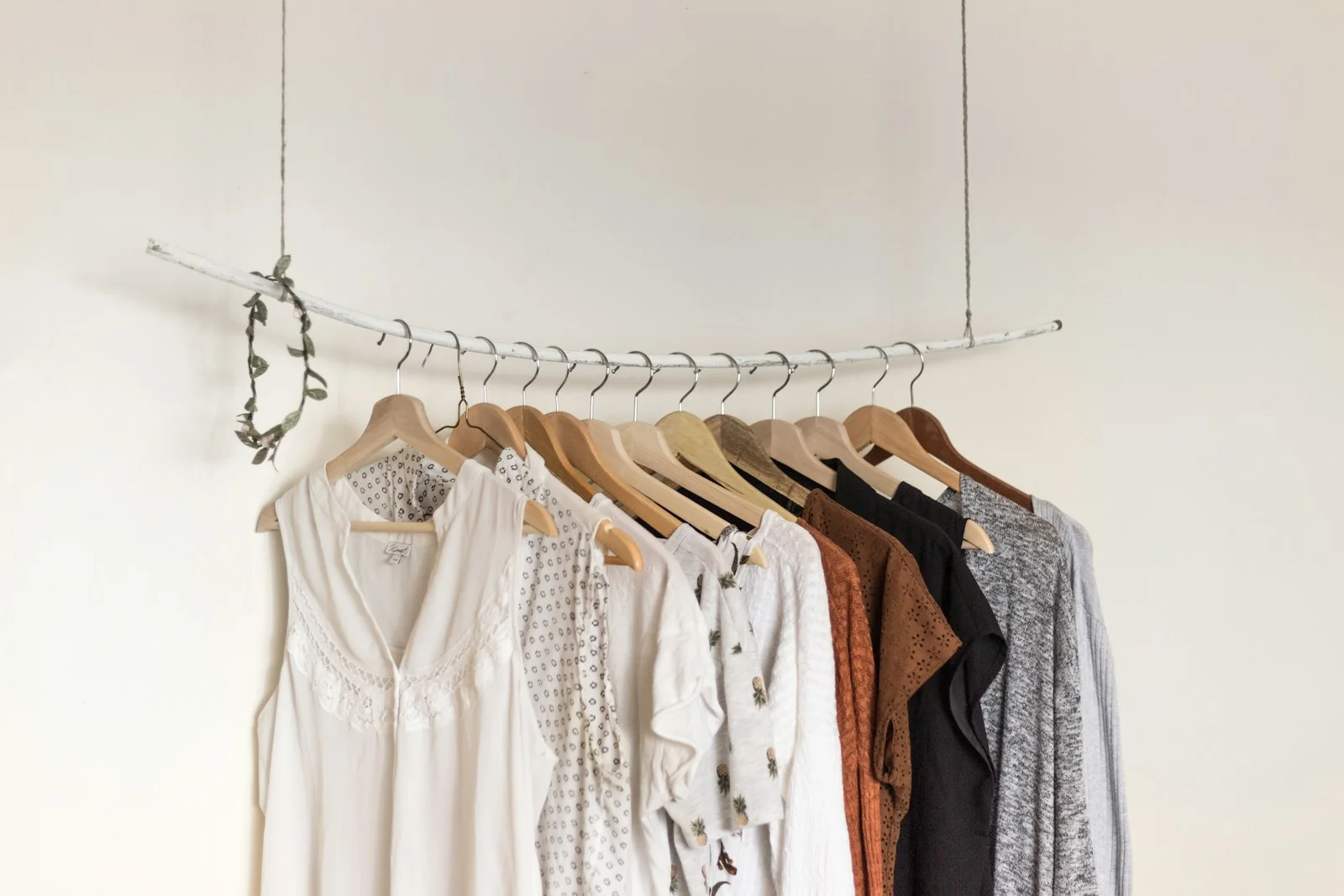
Start with the lower halves or dresses that can do more than one job. A comfortable pair of trousers might cover the journey, a museum day and a relaxed dinner with different tops. Choose colours that combine easily, but do not force every garment into the same neutral palette if that feels unlike you. A patterned piece can work well when the supporting colours are already present in the rest of the bag.
Lay out complete combinations, including the layer and shoes, then photograph them. Count usable outfits rather than individual pieces. Two tops that only work with a skirt you are not taking add little flexibility. Check that the clothing can move comfortably under the coat or jacket you plan to wear. The trip is not the best moment to discover that a sleeve will not fit beneath another sleeve.
Make footwear the practical constraint
Shoes take considerable space, so select them around the actual activities and surfaces. A pair you already find comfortable is usually a more dependable choice for substantial walking than an untested purchase. If plans require another kind of footwear, decide whether it can serve an additional role. Avoid assuming one pair can safely or comfortably cover every activity; technical outdoor plans, formal events and wet conditions can create different requirements.
Try the intended shoes with every trouser hem and longer dress. A packing plan can fail when the comfortable shoe makes a favourite hem drag. Wear the bulkier suitable pair during travel if that works for your journey, and protect the rest of the bag from dirty soles. If using shoe bags, choose something you already own before buying a set of organisers solely because a packing photograph looks tidy.
Check fabrics and small supporting pieces
Look at care labels, drying time and how the fabric behaves after sitting. Wrinkles are a matter of preference and context, but a garment that needs careful pressing may be awkward when you cannot confirm an iron is available. Try folding the item at home and see how it looks later. Do not assume a fabric described as travel-friendly will suit every climate or your own comfort. Read the actual composition and product guidance.
Pack the underwear, socks and modesty layers each outfit needs. A sheer top without its intended underlayer is not a usable combination. A belt can be useful, but avoid making several outfits depend on one accessory that is easy to misplace. Choose a simple bag that carries your daily essentials without becoming uncomfortable over the outer layer. Keep jewellery choices manageable and consider secure storage for anything valuable.
Buy only after the trial pack
Do a trial pack before deciding you need a new bag, a special capsule or more organisers. Check the packed weight and whether frequently needed items remain accessible. If something does not fit, remove the least useful outfit or duplicate before automatically upgrading the suitcase. A larger bag may create new fees or carrying difficulties. Compare any new bag against the relevant carrier rules, your storage space at home and the way you will move it between transport and accommodation.
After returning, note what you wore, what stayed untouched and what you missed. Those observations can guide the next trip more accurately than a universal number of tops. Clean and dry the bag and garments as appropriate before storing them. A thoughtful packing wardrobe develops from your own activities and comfort, with versatile pieces that continue earning wear at home rather than becoming a separate collection used only on holiday.
Make a considered choice
| Packing question | Check | Buying priority |
|---|---|---|
| Too much volume | Complete outfits and duplicate roles | Remove unused options first |
| Need new shoes | Activities, surfaces and existing comfort | Allow time to assess fit |
| Considering a new bag | Carrier rules and packed measurements | Choose practical size and carrying method |
A question or correction? Contact the editorial desk.