
Some links on this site are affiliate links. If you buy through a marked affiliate link, we may earn a commission at no additional cost to you. This guide is researched editorial advice; purchases should be checked against current retailer terms. Read our disclosure.
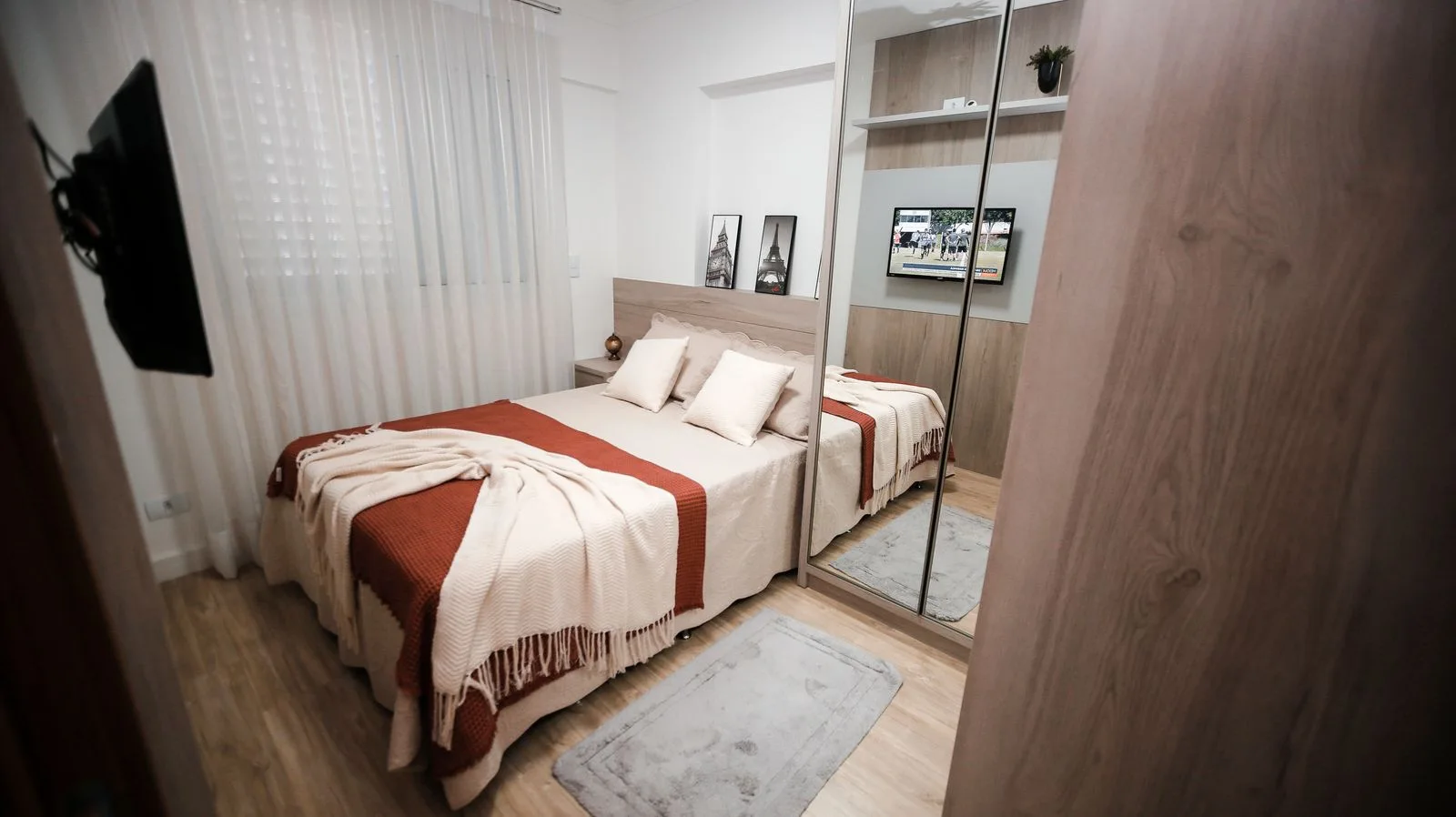
A pillowcase pattern is often shown as a complete flat surface, but only part of it remains visible on a made bed. A duvet, another pillow or the case's own folds can change the effect. Compare the actual visible area before deciding that the room needs a larger coordinated textile purchase.
Confirm the practical fit first
Read the pillowcase dimensions and its intended fit against the actual pillow. Check the closure and material information too. A decorative cushion cover and an everyday sleeping pillowcase can have different roles even when their photographs look similar.
Choose care requirements that suit the household's real routine. A pattern should not turn a useful everyday item into something that remains unused because its maintenance is impractical. Keep that ownership question separate from the initial colour comparison.
Look at the intended pillow position
Put the actual case or a suitable reference in the position planned for use where possible. Notice which part the duvet will cover and how the fabric sits naturally. A large motif may appear as a fragment rather than the complete shape shown online.
If only product images are available, use them as references with limits. Screens, lighting and styling can alter colour and visible scale. Read the complete pattern and dimensions rather than assuming a tightly cropped photograph represents the made-bed view.
Compare the retained textile group
Keep the duvet cover, throw and other pieces intended to stay in place. Look for one useful relationship, such as a quieter pattern scale or a colour already present. The case does not need to repeat every shade in the room.
Change one candidate idea at a time. Replacing the duvet, throw and pillowcases together can hide whether the small addition would have been enough. A plain retained piece can provide a practical comparison with a patterned alternative.
Check the room's normal angles
Look from the doorway and side of the bed, not only directly above the pillow. A strong close-up contrast may become a small detail across the room. Include ordinary daylight and evening conditions when those affect the bedroom's appearance.
If the group feels crowded, remove an optional decorative textile before purchasing another item to calm it down. Keep the successful product reference and actual pillow dimensions together if a future replacement will need the same fit.
A useful patterned pillowcase has a real daily role and an understood visual contribution. Its effect comes from the part actually seen beside the retained bedding, allowing a modest change to make sense without turning the bed into a full matching collection.
Notice the closure end too, since an exposed inner pillow can change the visible group even when the printed colours work together.
Related reading
A Softer Bedroom With the Textiles You Own, One Print Can Be Enough at Home.
A question or correction? Contact the editorial desk.