Some links on this site are affiliate links. If you buy through a marked affiliate link, we may earn a commission at no additional cost to you. This guide is researched editorial advice; purchases should be checked against current retailer terms. Read our disclosure.
Give the find a specific identity
A vintage shopping note is most useful when it identifies the actual item rather than an appealing general category. Record the seller's item reference, verified description and relevant product information. Keep personal impressions separate from stated facts, especially where age, origin or material remains uncertain.
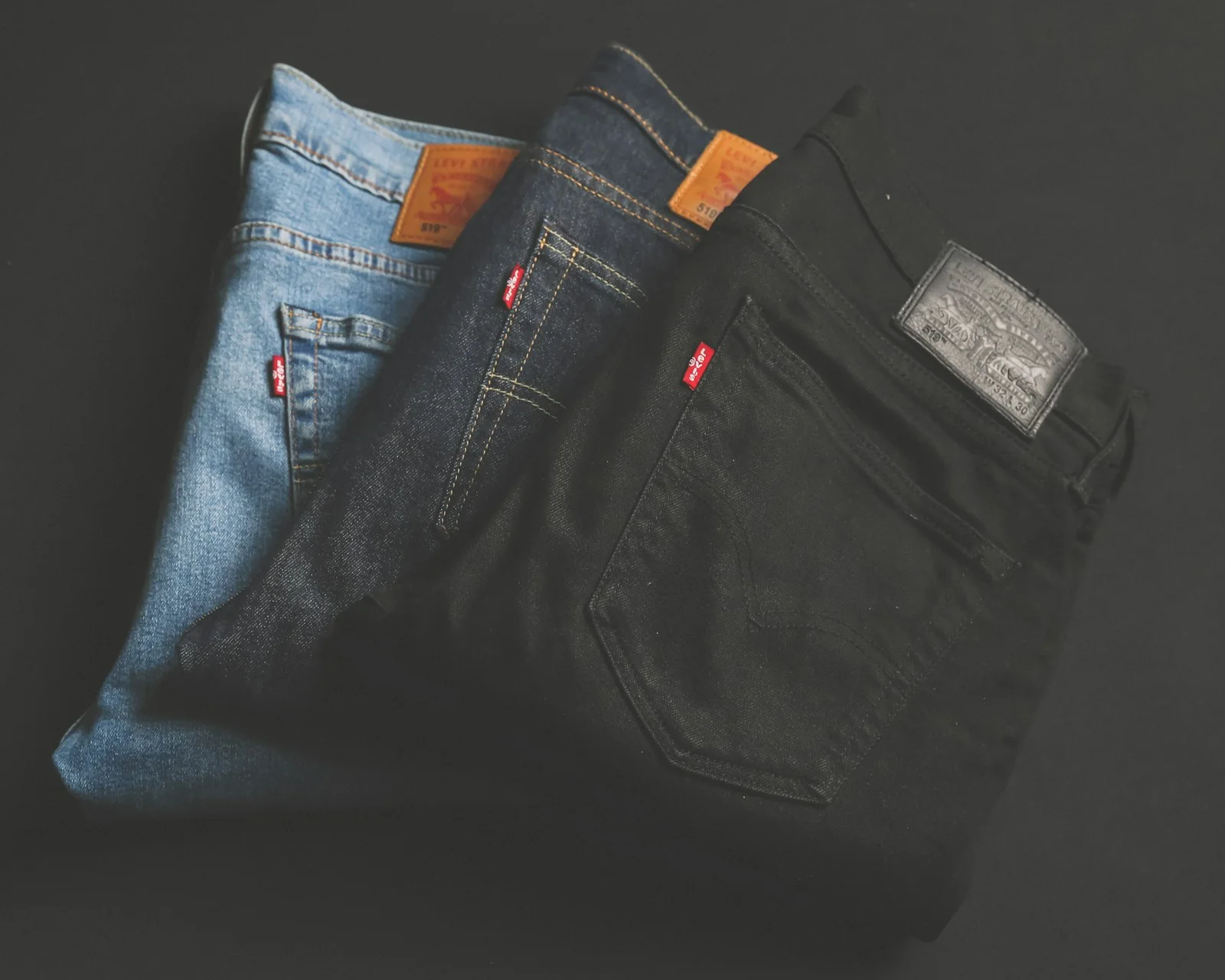
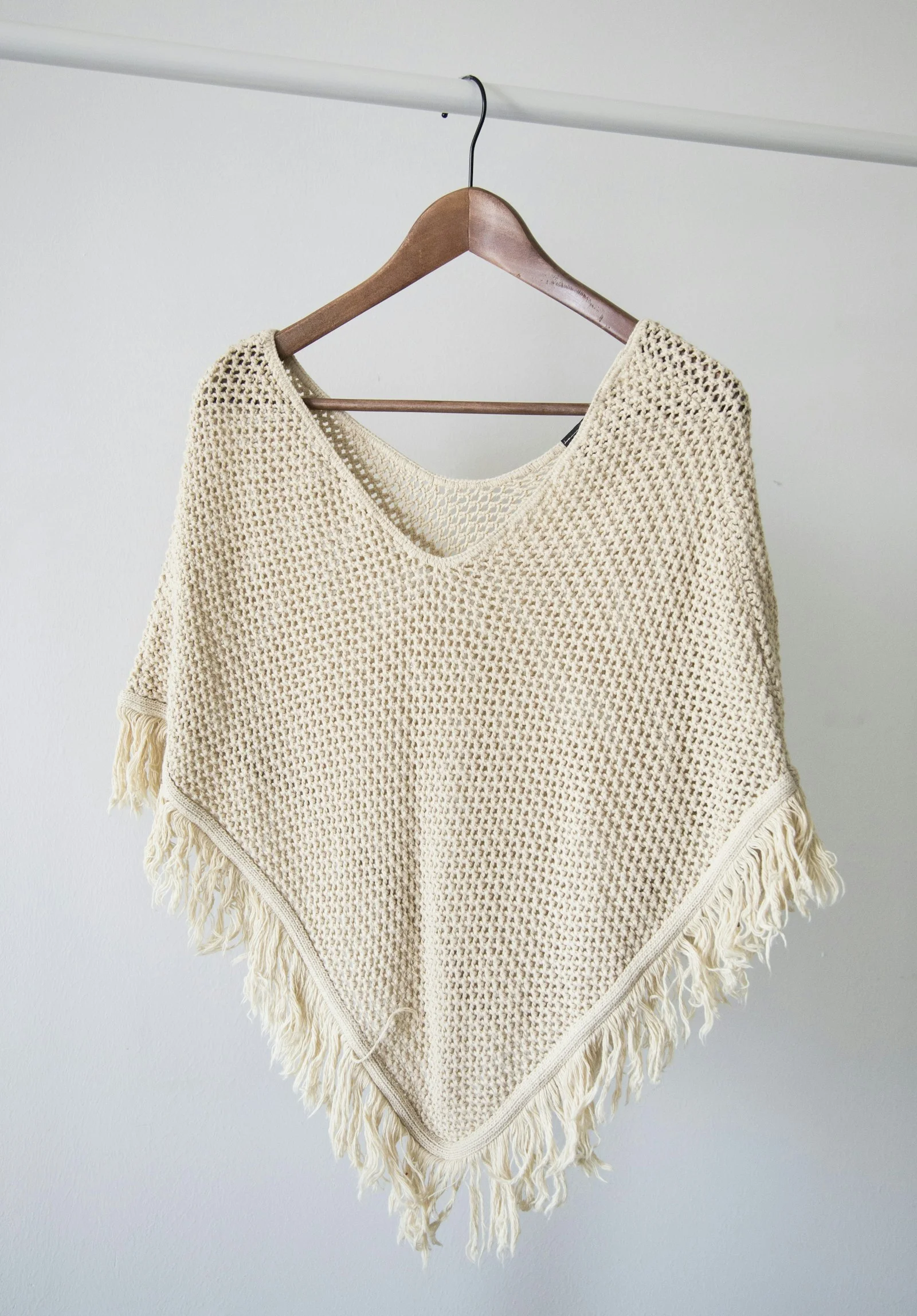
The clothing-shop photograph is illustrative and does not authenticate any garment or endorse a seller. This guide keeps a purchasing comparison clear rather than certifying provenance, value or the suitability of a particular find.
Record the intended wardrobe role
Name the real plan and suitable retained pieces the proposed item would join. A clear role helps distinguish a useful purchase from an object admired without an ordinary purpose. Keep the person's needs central and avoid inventing future occasions solely to justify the find.
Our real-life wardrobe guide begins with current activities. Use that foundation before a compelling product story turns an unresolved garment into an assumed essential.
Keep condition questions visible
Write the actual questions that need appropriate clarification, including any relevant inside detail, care information or fit uncertainty. Seek suitable product or specialist guidance where needed. Do not assume that a visible issue has a simple repair or that a familiar label resolves every material question.
If a seller statement cannot be verified, preserve it as a statement rather than rewriting it as established fact. An organised note should make the evidence clearer, not make missing information appear more certain.
Check the actual purchasing arrangement
Read the relevant seller terms and confirm details that affect this particular transaction. A familiar retail expectation may not apply to another vintage item or seller. Keep the source of the information with the note and resolve uncertainty before relying on an assumed arrangement.
The reference outfit guide supports a concrete clothing comparison. The purchasing note adds the actual item information rather than replacing the need to consider how the garment serves the person.
Close the note with an honest decision
Record whether the item was purchased, declined or left unresolved, and preserve only the information still relevant. If a suitable purchase is made, keep its actual care guidance connected to the garment. If not, avoid leaving the candidate active as an indefinite shopping task.
What if the find remains attractive but does not fill a real role? Keep that distinction without manufacturing a need. What if clarification changes the original impression? Reconsider the decision through the new information. A considered vintage note protects the difference between a compelling possibility and a suitable informed choice.
Review the record when the garment arrives, where relevant, against the actual supplied item and appropriate purchasing process. A saved listing describes the proposed find; the real product and applicable terms determine the next responsible step.
A question or correction? Contact the editorial desk.