Some links on this site are affiliate links. If you buy through a marked affiliate link, we may earn a commission at no additional cost to you. This guide is researched editorial advice; purchases should be checked against current retailer terms. Read our disclosure.
Measure the usable shelf first
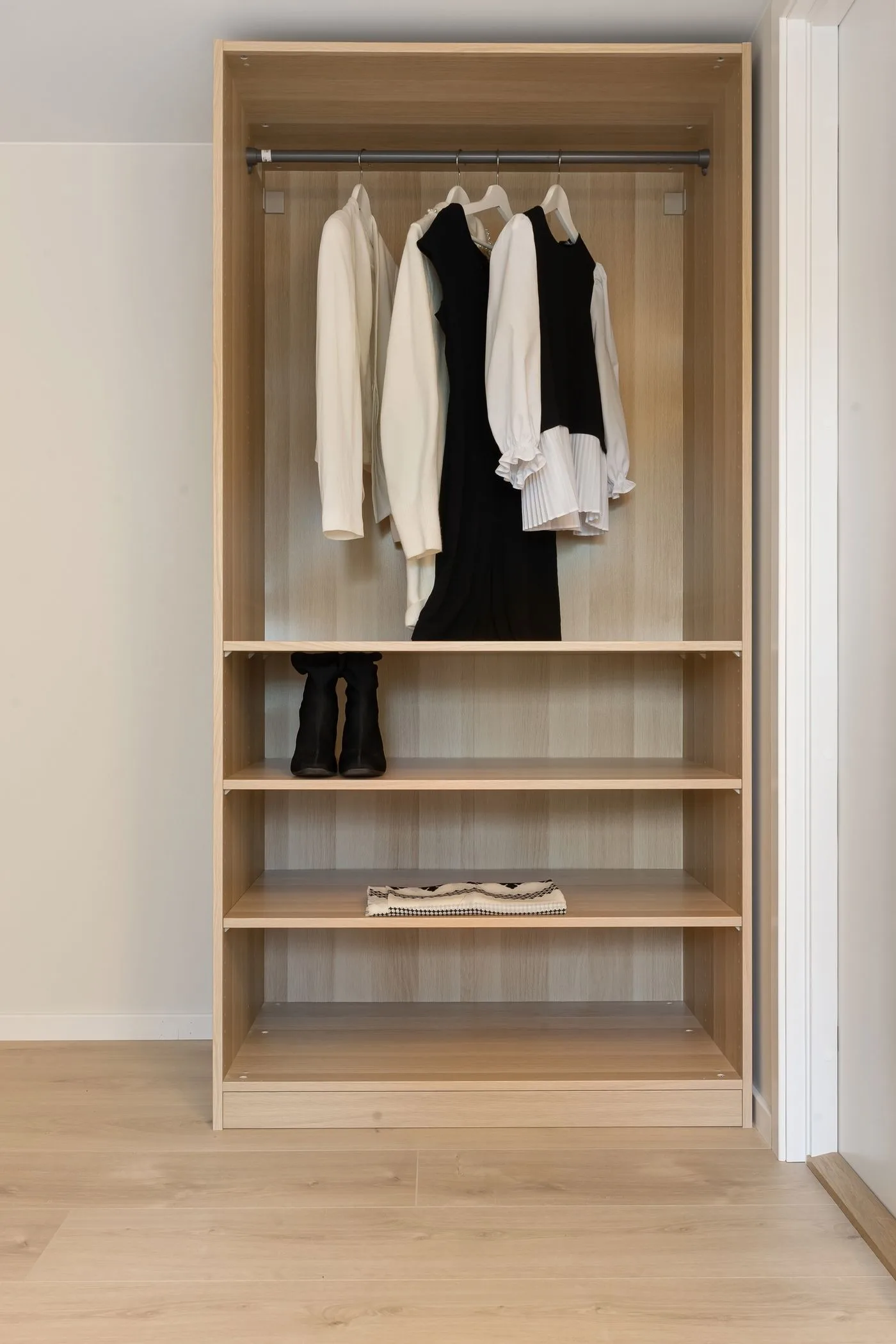
Folded clothing needs an appropriate destination that works when the garment returns, not just when a shelf is arranged for a photograph. Keep a simple note naming the current shelf group, especially if another adult returns clean clothing. That shared description prevents the space from gradually collecting unrelated garments. Begin with the actual wardrobe's usable dimensions and requirements. Notice hinges, dividers or other features that change the space available to the intended clothing group.
The image illustrates a wooden wardrobe and retained clothes; it does not establish that another unit has the same usable space. Check the real furniture rather than inferring internal dimensions from its exterior width.
Choose a specific clothing group
Identify which suitable garments belong on this shelf and follow their actual storage guidance. A broad category such as all knitwear may conceal pieces requiring different arrangements. Keep the group understandable instead of making it larger simply because the shelf has some unoccupied space.
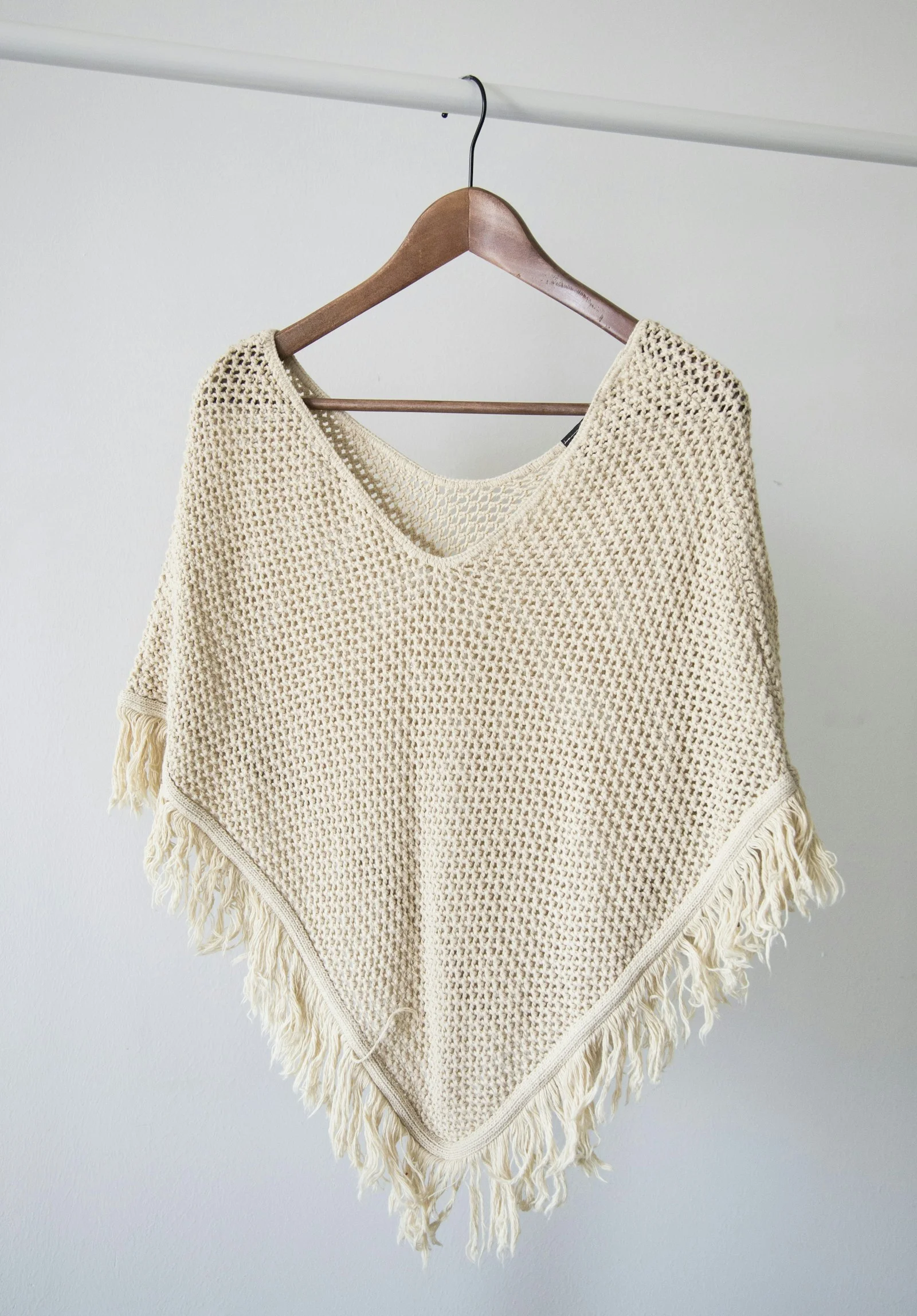
Our knitwear routine guide keeps product requirements central. Organisation should support the retained garments, not require unsuitable folds to make a display appear uniform.
Leave the ordinary return possible
Consider how a ready garment is appropriately placed back with the group. An exact tightly filled row can look tidy while making retrieval and return cumbersome. Follow the relevant furniture and garment information and choose a modest arrangement that serves real use.
If the current group does not fit appropriately, reconsider its size or destination before buying a divider. An accessory cannot automatically create suitable space where the real objects and requirements do not fit.
Keep care stages separate
Return only clothing that has completed its actual required stages. A folded appearance does not establish readiness, and an unresolved product or care question should remain explicit. Give those pieces a clear next action rather than mixing them into the current shelf group.
The care next-action guide helps make that distinction understandable. A household label can identify the task without replacing the actual instructions that determine what the garment needs.
Review one repeated conflict
Observe an ordinary cycle and identify whether the shelf's role remains clear. If a particular garment repeatedly ends up elsewhere, ask why before expanding the storage system. Its intended storage, the group's size or another competing shelf role may need reconsideration.
What if the shelf cannot accommodate the complete group appropriately? Divide by genuine use or choose another suitable destination. What if several people share the wardrobe? Explain the actual return arrangement so another adult does not have to reconstruct it from a private colour order. A considered shelf leaves appropriate space for the clothing's real life between wearing and care.
Keep the checked internal measurements with any proposed organiser's details. This prevents a visually appealing container from being selected through an exterior measurement that does not describe the space actually available.
A question or correction? Contact the editorial desk.