Some links on this site are affiliate links. If you buy through a marked affiliate link, we may earn a commission at no additional cost to you. This guide is researched editorial advice; purchases should be checked against current retailer terms. Read our disclosure.
Use the dress already in the wardrobe
A white dress can become more useful when paired with a suitable layer already owned. Start with the actual dress and a real intended outing rather than a new inspiration outfit containing several purchases. Identify what the layer needs to do for the person and the plan before considering its appearance.
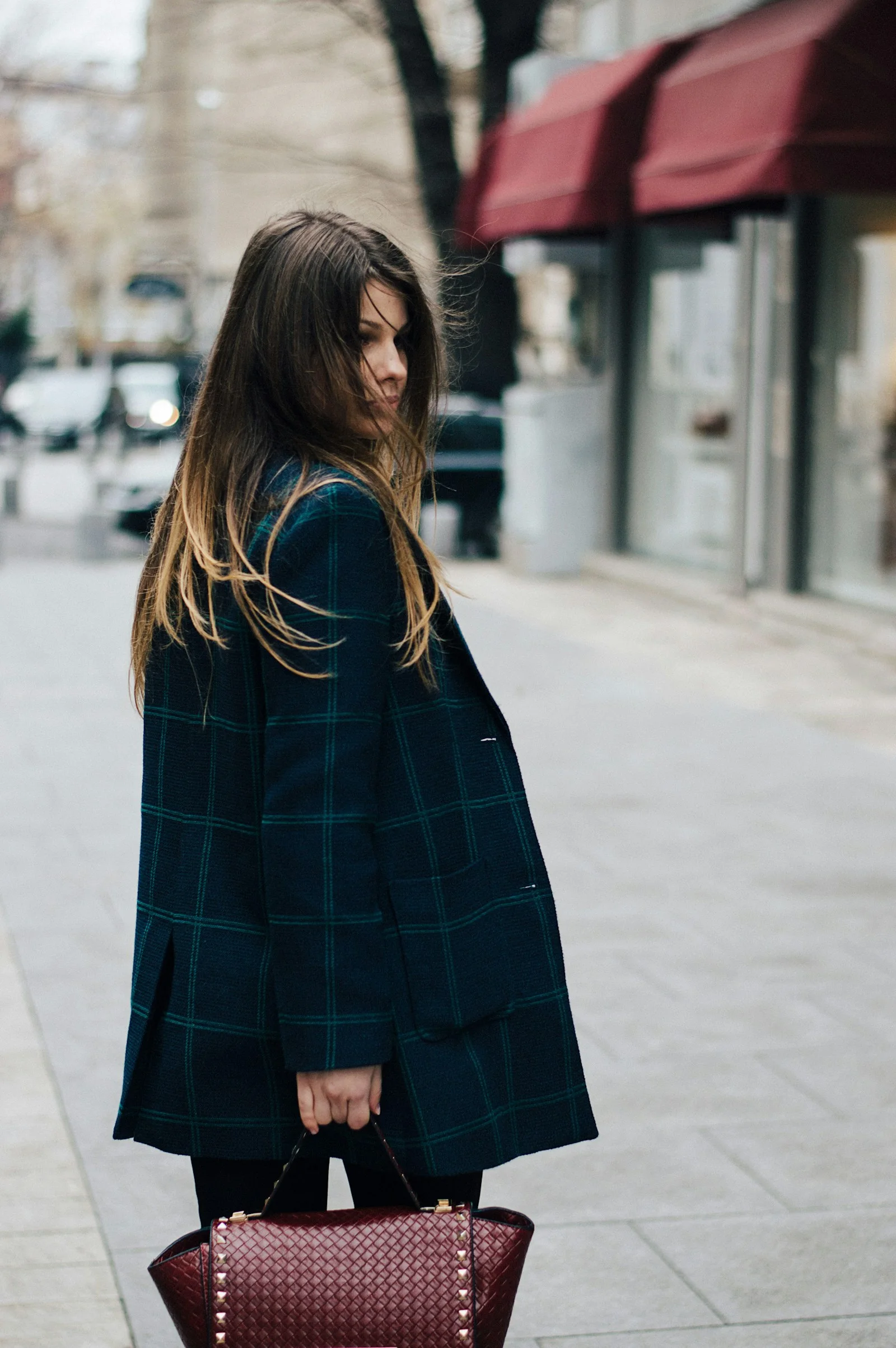
The photograph offers a light fabric mood rather than product evidence. Check the actual garments, their care requirements and suitability for the intended activity instead of inferring those details from the image.
Compare the visible white area
Try one suitable retained layer and look at the complete outfit in ordinary light. Notice how much of the dress remains visible when the layer is worn in its intended arrangement. A short jacket and a long cardigan can create quite different relationships without changing the dress itself.
Our cardigan length comparison explores this small experiment. Keep the shoes and other base details steady so the layer's contribution remains easy to judge.
Look at colour beside real fabric
White fabrics can differ in appearance, and another pale layer may not read as an exact match. Compare the actual pieces together rather than relying on their separate online descriptions. A deliberate distinction can be more pleasing than an almost-match that feels unresolved to you.
If the combination is too uniform for your preference, try a retained contrasting layer before buying a new pale piece. The useful choice belongs to the person and room lighting; there is no requirement to make every light fabric identical.
Include the moment the layer comes off
Consider the complete dress outfit when the layer is removed. Check the intended accessories and suitable shoes in that view as well. An outfit that only feels complete under a jacket may need a different modest detail for the indoor part of the plan.
The one-dress outfit guide keeps the whole arrangement connected. An accessory should have a genuine practical or visual role rather than compensate automatically for every change in the amount of fabric showing.
Keep the successful combination specific
Record the actual dress and layer, including the suitable shoes that made the comparison useful. A broad note saying white dress with cardigan may conceal different garment lengths and details. The more precise reminder helps the same arrangement remain understandable next time.
What if neither retained layer serves the intended outing? Choose another appropriate outfit rather than assuming a new jacket is the only answer. What if the colour relationship looks different outdoors? Revisit the actual comparison in relevant light. A considered white-dress outfit lets the retained layer support the real plan and leaves the dress coherent when the day moves indoors.
Return each piece through its actual care routine. The outfit note identifies a combination, while the garment's real condition determines whether that combination is ready to wear again.
A question or correction? Contact the editorial desk.