Some links on this site are affiliate links. If you buy through a marked affiliate link, we may earn a commission at no additional cost to you. This guide is researched editorial advice; purchases should be checked against current retailer terms. Read our disclosure.
Begin with the actual walking plan
A maxi dress should be considered through the real outing rather than its outline in a street photograph alone. Identify the planned activity, relevant setting and person's needs, then choose appropriate retained garments and footwear through their actual requirements. Keep any genuine fit or suitability question separate from decoration.
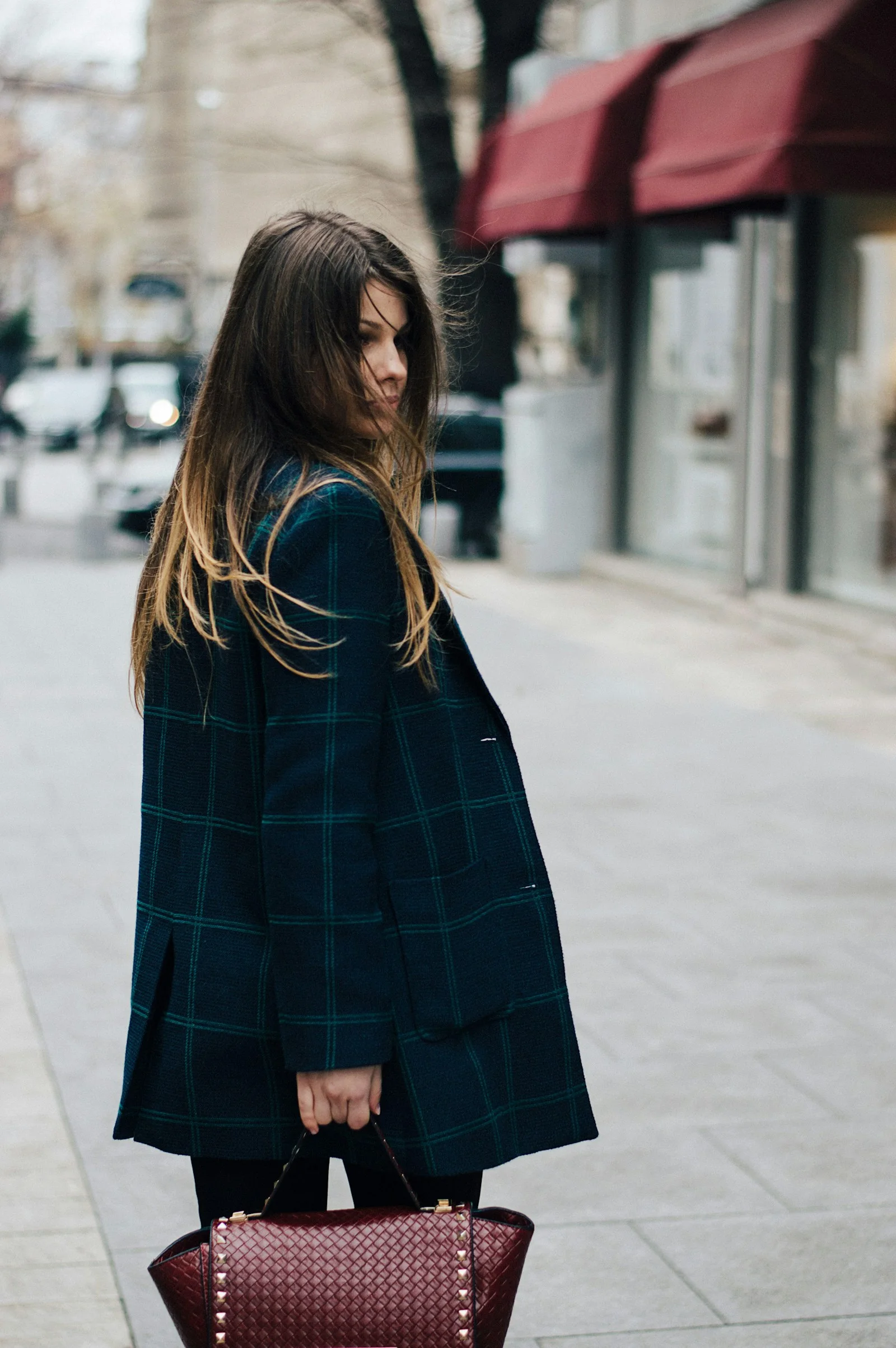
The old-street photograph illustrates a long dress in an urban scene. It does not establish that another dress is suitable for particular surfaces, conditions or individual requirements.
Use the complete intended outfit
Try the actual dress with suitable shoes and the layer that belongs to the plan. Look at the complete ordinary view rather than judging length beside unrelated footwear. The visual relationship is personal, and a photograph cannot provide a universal correct hem position.
Our shoes and real plans guide keeps practical footwear needs central. Let those needs shape the useful comparison instead of selecting shoes solely to reproduce a dress silhouette.
Keep the garment’s requirements clear
Check the actual construction, care information and intended use. If the dress raises an unresolved fit or alteration question, seek appropriate garment assistance rather than inventing a temporary fastening method for the outing. A styling accessory cannot answer every practical question about the retained piece.
Consider the person's ordinary appropriate activity without deliberately creating a difficult test. The useful decision respects real capabilities and product information rather than treating a dramatic photograph as proof of everyday suitability.
Include the indoor part of the day
Think about the relevant seated or indoor stage as well as the walking scene. Keep the complete outfit suitable for the actual plan and consider an appropriate destination for any removed layer. A garment chosen only for arrival may leave the rest of the outing unclear.
The weekend outfit guide follows real activities through the day. A maxi dress can be one useful option where it serves that sequence rather than an automatic choice for every relaxed plan.
Keep a suitable alternative available
If the retained dress does not serve the actual outing, compare another appropriate outfit already owned. The aim is a clear clothing choice, not finding a way to wear one silhouette regardless of the situation. A different dress or familiar trouser outfit may simply answer the day's requirements more clearly.
What if the maxi dress works for one route but not another? Keep that context with the outfit note. What if the appearance is appealing but a product question remains? Resolve it before treating the garment as ready. A considered long-dress decision connects the full outfit to the person's real ordinary plan.
After use, return the dress through its actual care and storage requirements. The successful outfit note records a possibility, while the garment's real condition determines whether it is ready for the next suitable occasion.
A question or correction? Contact the editorial desk.