Some links on this site are affiliate links. If you buy through a marked affiliate link, we may earn a commission at no additional cost to you. This guide is researched editorial advice; purchases should be checked against current retailer terms. Read our disclosure.
Choose the bag’s actual contents
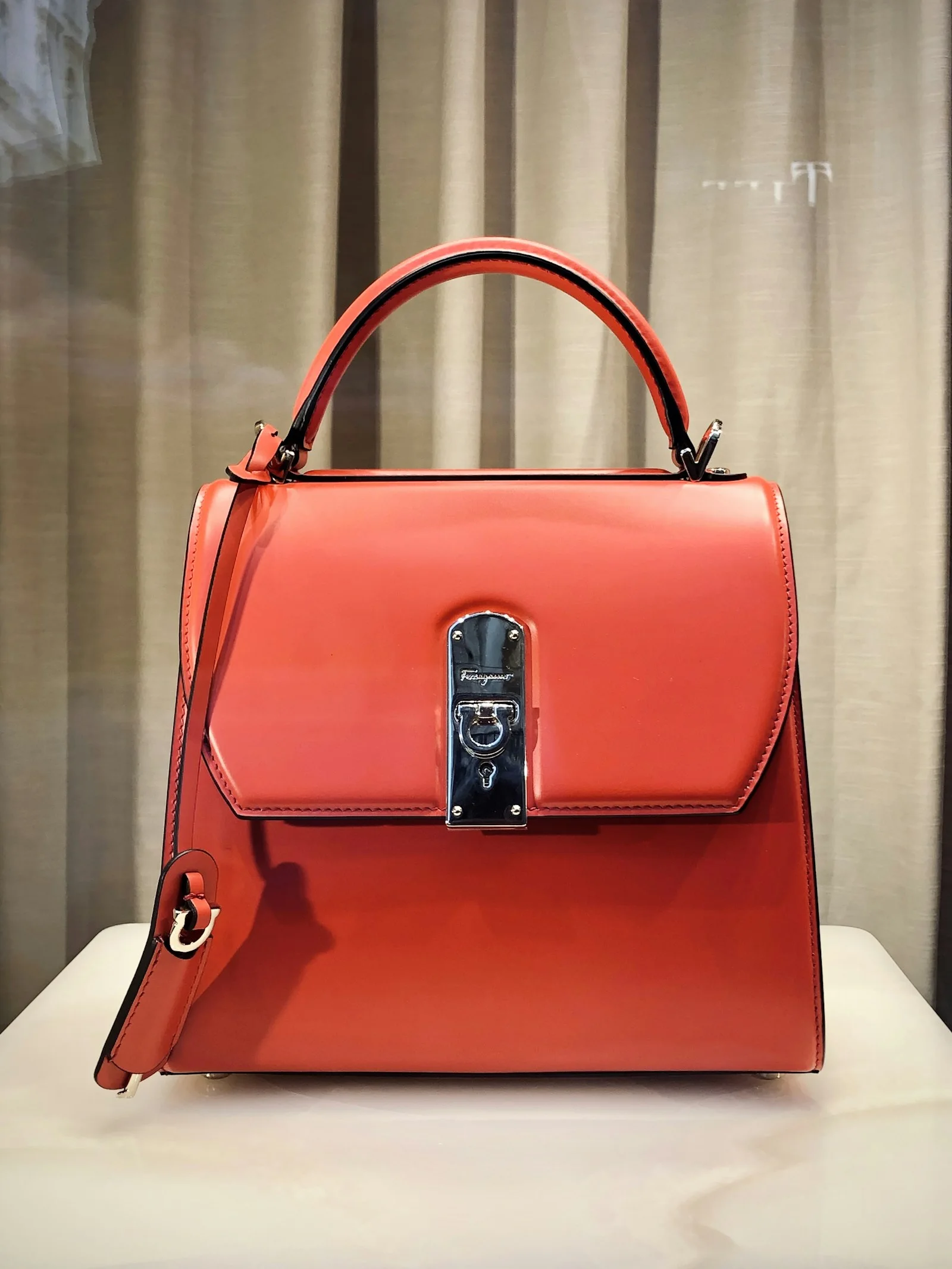
A structured bag can create a clear shape beside relaxed clothing, but it needs to serve the day's carrying job. Load it with the usual manageable contents and follow the product's instructions. Keep personal and valuable items handled securely according to your needs.
Check compartments, closure and retrieval before assessing the outfit. A pleasing silhouette does not establish useful capacity or security. The bag should support the day rather than require essential items to be left out for the sake of appearance.
Use a familiar relaxed base
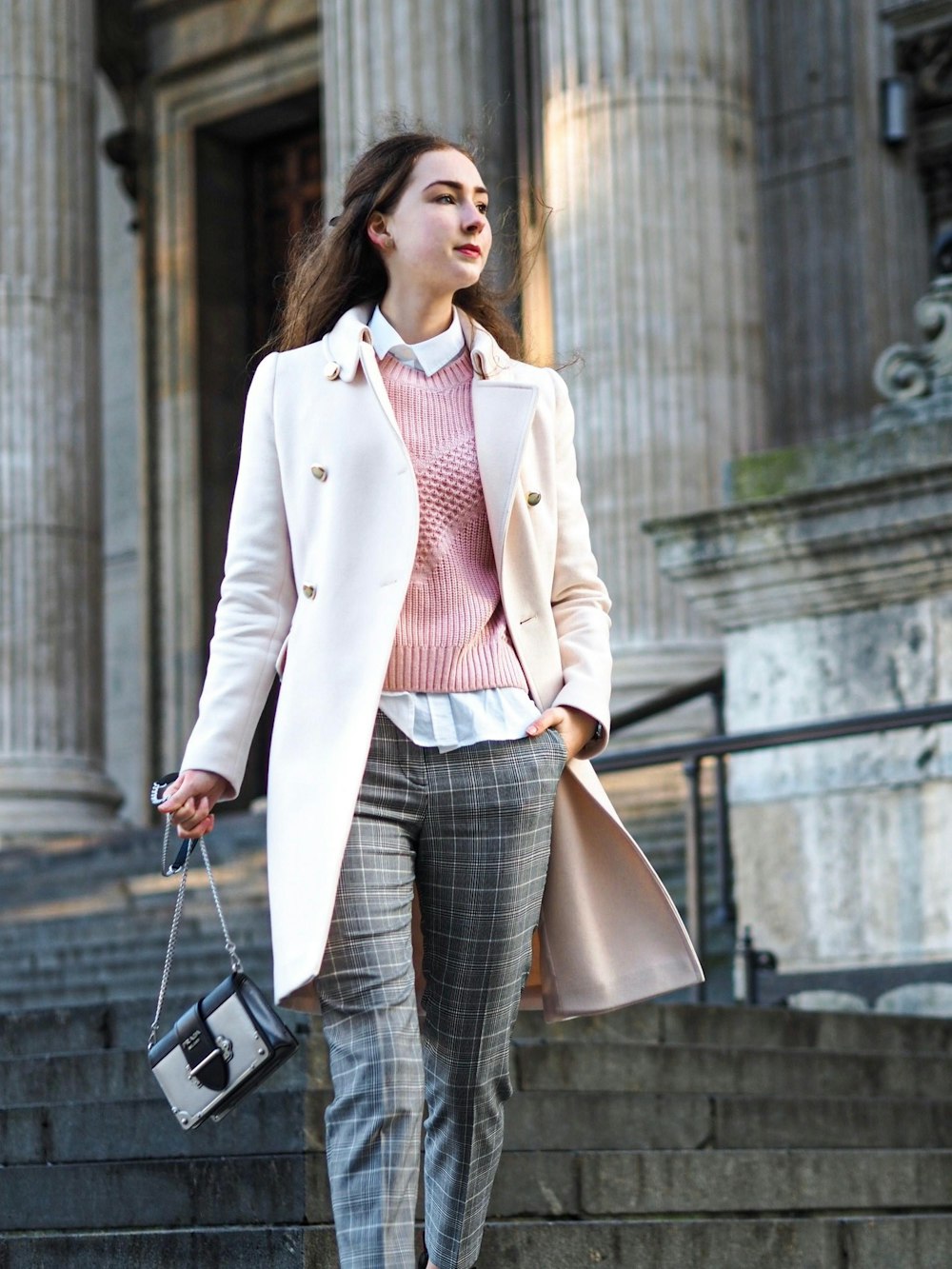
Choose suitable trousers or jeans, a comfortable top and appropriate footwear. Add the bag and look at the whole combination. The contrast between shapes can be a personal preference rather than a rule about making casual clothes look more polished.
Keep the base comfortable through sitting, walking and reaching. If the clothing does not work on its own, address that before assuming a more formal-looking accessory can resolve the issue.
Check the carrying position
Use the handle or strap through its intended design and assess comfort with the actual load. Add any outer layer needed and check access while standing and seated where relevant. A bag can look proportionate while being awkward to open or carry.
Do not assume replacement straps or fittings are interchangeable. Verify compatibility for the actual product before changing parts. A suitable existing bag may serve the outfit better than an accessory that needs an uncertain modification.
Compare one softer bag
If another suitable bag is available, keep the outfit unchanged and compare it. Notice the appearance and the practical handling difference. A private photograph can record the visual relationship, while a short note captures useful access or weight observations.
Our bag guide supports the complete assessment. The weekend outfit guide keeps the actual activities central. Neither shape is universally the better choice.
Choose usefulness alongside preference
Keep the version that fits the day and feels comfortable to wear. Follow bag and clothing care instructions afterward. If buying, use verified dimensions and current retailer information rather than inferring features from an outfit photograph.
Our accessory guide helps name a clear purchase role. A structured bag can be an enjoyable contrast when it already serves a practical need. It does not need to become a compulsory addition to every relaxed outfit.
Bag-shape questions
Does a structured bag always look dressier? Treat that as a visual preference with the actual outfit and setting rather than a universal fact.
Must the bag match the shoes? No. Their practical roles and the complete relationship matter more than exact matching.
What if the shape is attractive but access is awkward? Include that in the decision. Another suitable product may serve ordinary use better than a bag managed mainly for its appearance.
A question or correction? Contact the editorial desk.