Some links on this site are affiliate links. If you buy through a marked affiliate link, we may earn a commission at no additional cost to you. This guide is researched editorial advice; purchases should be checked against current retailer terms. Read our disclosure.
Check both settings
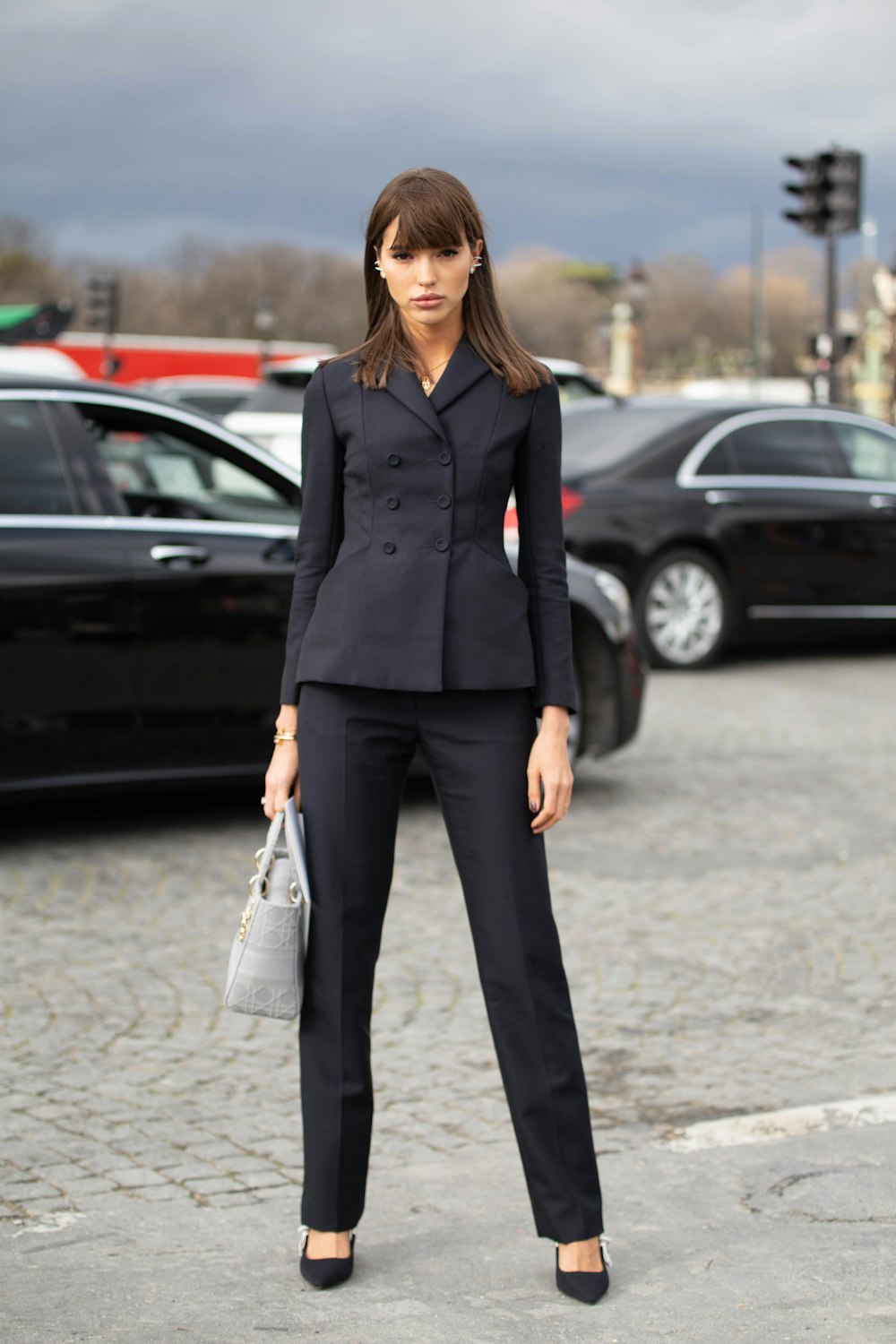
A work outfit may serve a casual evening plan when it suits the actual requirements and activities of both. Check any relevant dress guidance directly where needed. List the practical differences: walking, time seated, indoor conditions and the way belongings will be carried.
Choose the familiar comfortable base before adding an evening detail. The aim is a workable day, not a transformation that requires carrying a second wardrobe to change appearance completely.
Keep the useful base
Try the trousers or other base piece and top without the jacket. Sit and reach as during an ordinary day. Check that the indoor version remains comfortable and suitable when the outer layer comes off.
Our workwear guide supports the starting outfit. A reliable base can provide more flexibility than an elaborate jacket whose removal leaves the rest of the combination unresolved.
Choose one deliberate adjustment
Try an existing necklace, scarf or another suitable detail if it adds something you enjoy. Compare the full outfit with and without it. A small change can be enough, and no change may be needed when the base already fits the plan.
Keep footwear suitable for the actual route. Do not choose a second pair solely because an inspiration photograph labels it evening wear. If a different pair is genuinely needed, include its transport and storage in the carrying plan.
Check the bag handover
Load the normal bag and identify any additional item the evening needs. Keep personal belongings secure according to your needs and use the bag as instructed. A spare accessory should not make ordinary retrieval awkward.
Our bag guide helps assess the load. Give removed clothing or accessories a suitable destination. A day-to-evening plan works only when the objects carried between settings remain manageable.
Record the combination through actual use
Keep a private note of what helped and what was unnecessary after the day. Return clothing and accessories through their appropriate care routines. Preserve only the useful observations rather than creating a large outfit archive.
Our jewelry guide supports selecting a small repeat detail. A familiar outfit can serve more than one plan when its practical checks pass. The useful change is the one that fits the person and day, not a compulsory accessory added to signal evening.
Two-setting questions
Must an evening outfit be dressier? Check the actual plan rather than assuming one universal difference. Comfort and suitability remain central.
Should a second bag be carried? Only if it serves a clear need and the handover remains practical. Another container can add work without improving the day.
What if the work outfit does not suit the evening? Choose another appropriate plan or a manageable change. A single-outfit idea is optional, not a requirement to force incompatible settings together.
A question or correction? Contact the editorial desk.